Wall sconce planning guide
Before You Install Wall Sconces, Make These Design Decisions First
A wall sconce works best when you plan the glow before you choose the fixture. The right decision is not only about finding a beautiful lamp. It is about knowing what the wall needs to do after dark, where the light should land, and whether the fixture will sit comfortably with furniture, doorways, artwork, and daily movement through the room.
The Quick Rule: Place the Glow Before You Place the Fixture
If you remember one rule before installing wall sconces, make it this: decide where you want the light to appear, then choose the fixture position. Many awkward sconces happen because the lamp is treated like wall decor first and lighting second. The result can sit too high, shine into the eyes, disappear behind furniture, or leave the wall looking unfinished.
A good wall sconce usually does one of four jobs. It can add soft background light, guide movement through a hallway, support a bedside area, or turn a plain wall into a feature. Once that job is clear, the height, spacing, direction, and style become much easier to judge.
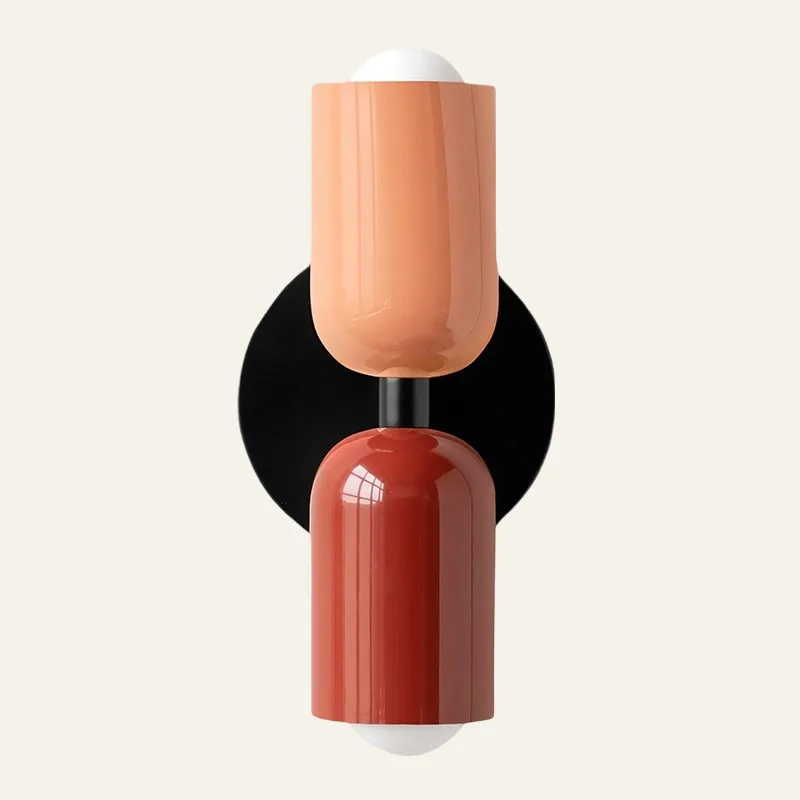
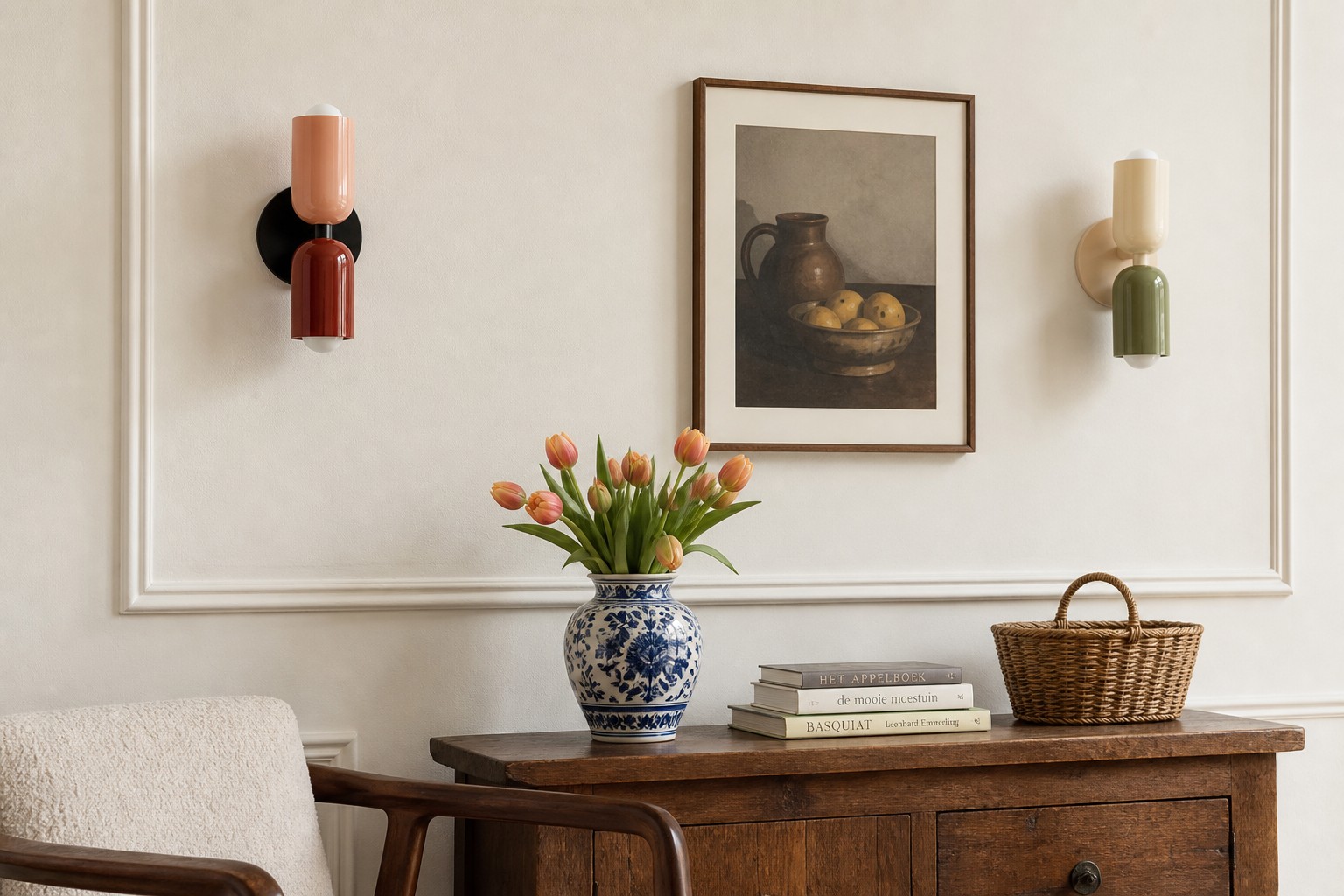
For a clean modern home, a dual-direction wall light such as the Symra Wall Sconce is especially useful because it creates light above and below the fixture. That upward and downward wash can make a flat wall feel more architectural without adding another shelf, frame, or decorative object.
Step 1: Decide What the Wall Sconce Needs to Do
Before choosing a finish or shape, name the purpose of the sconce in plain language. Is it meant to soften the room at night? Make a hallway less empty? Replace a bedside table lamp? Highlight the texture of a wall? Each purpose asks for a slightly different placement.
For ambient lighting, the fixture should feel calm from normal seating or standing positions. For hallway lighting, the beam should help people move without turning the corridor into a bright tunnel. For bedside use, it should support the bed area without crowding pillows or shining across the face. For accent lighting, the wall surface, paint color, and nearby objects matter.
This is where wall sconces differ from ceiling lights. A ceiling light fills a room from above. A sconce changes the wall plane, making a room feel warmer, taller, softer, or more layered when its role is chosen before installation.
Step 2: Choose a Height That Makes Sense in Real Life
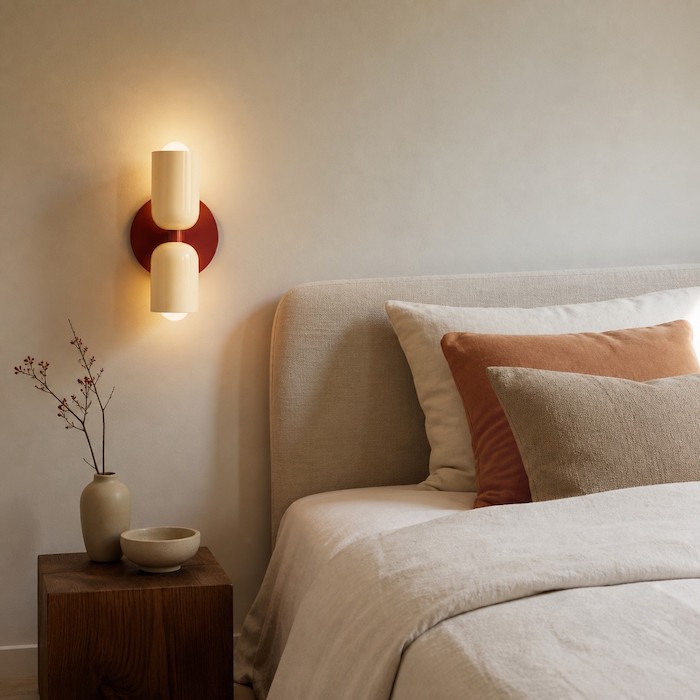
Many design guides place wall sconces around eye level, and hallway sconces are often planned in the range of about 152 to 183 cm from the floor. Treat that as a starting point. The best height depends on ceiling height, fixture size, furniture, and whether people pass close to the lamp.
In a hallway, the fixture should sit high enough to avoid shoulder bumps but low enough that it still relates to the wall. In a bedroom, measure from the mattress and headboard rather than only from the floor. In a living room, check the seated eye line from the sofa. If the brightest part of the lamp is at eye level, the room may feel less comfortable even if the fixture looks correct in photos.
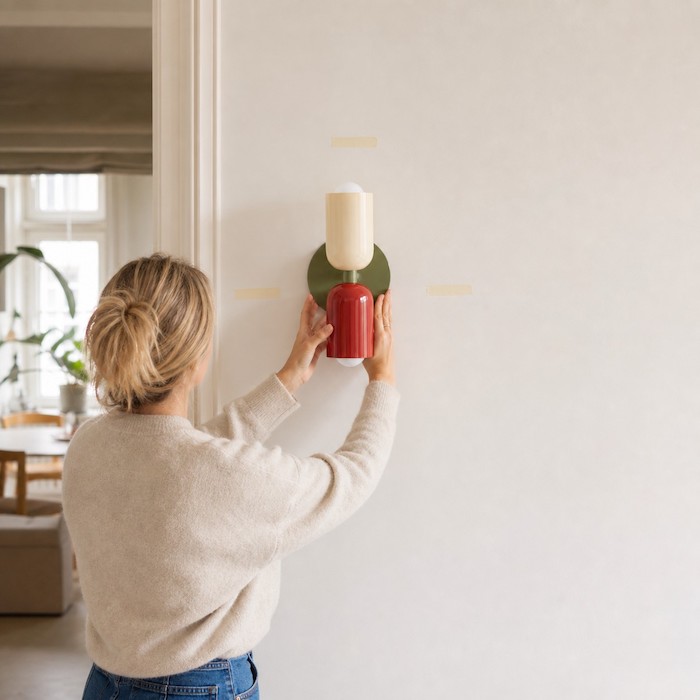
A simple test helps: tape a paper outline of the sconce to the wall, then view it from the doorway, sofa, bed, and main walking path. If it looks balanced from only one angle, adjust before drilling.
Step 3: Match the Light Direction to the Wall
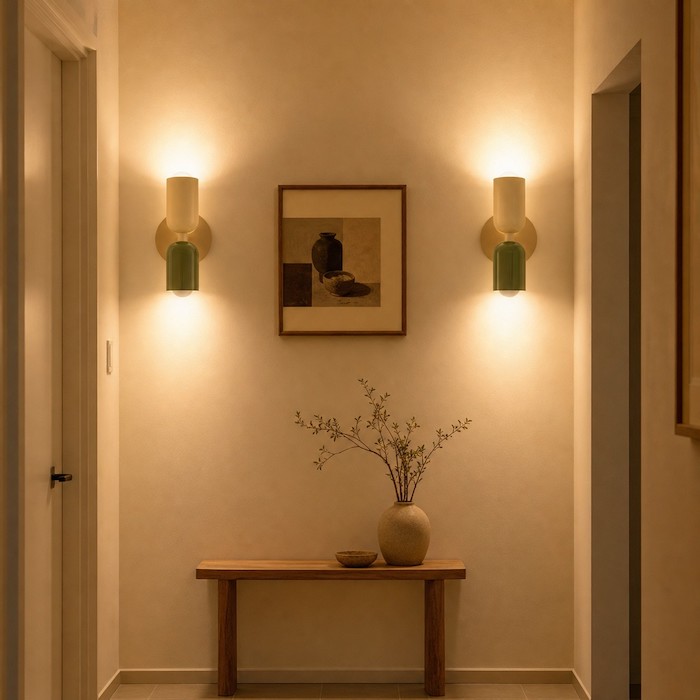
Light direction changes the whole mood of a wall. A single downward beam can feel focused and practical. A single upward beam can feel softer and more spacious. A dual-direction sconce creates a balanced glow above and below the lamp, which is why it often works well on feature walls, corridor walls, bedside walls, and living room backgrounds.
If you are comparing beam styles in detail, read Up-and-Down Wall Lights vs. Single-Direction Wall Lights next. That comparison handles the deeper decision between a directional effect and a more sculptural wall glow.
For this installation guide, the key point is simpler: choose the direction that solves the wall's problem. A narrow blank hallway may need rhythm. A bedroom may need calm. A living room wall may need depth after sunset. A dual-direction design like the Symra Scandinavian Dual Light Metal Wall Lamp is a strong fit when the goal is not only to see better, but to make the surface behind the light feel considered.
Step 4: Check the Wall, Furniture, and Wiring Before Buying
A wall sconce is more permanent than a table lamp, so the pre-purchase check matters. Start with the wall width. The fixture needs breathing room on both sides, especially if it creates a visible upward and downward wash. Then check nearby furniture. A sconce above a sideboard, nightstand, sofa, or console should relate to that object without looking squeezed in.
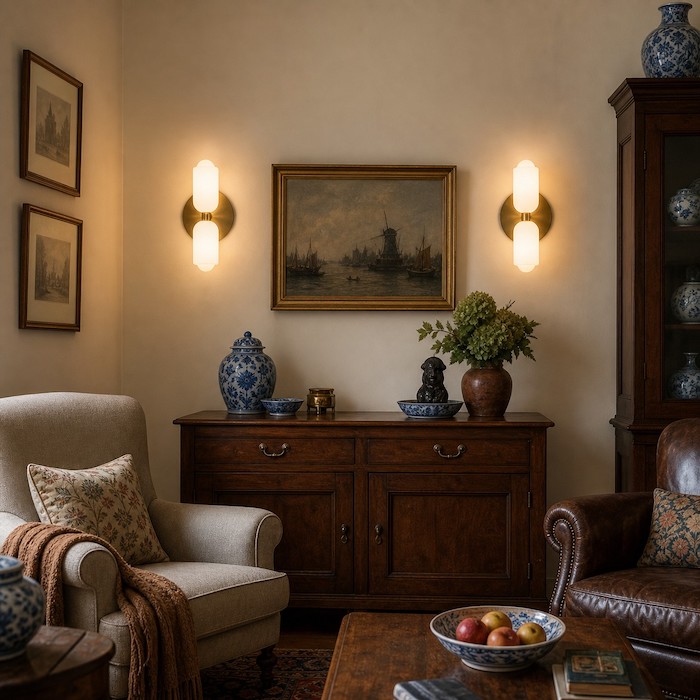
Next, check doors, wardrobe fronts, curtains, mirrors, and artwork. A lamp can look perfect on an empty wall but become inconvenient once a cabinet door opens into it or a curtain interrupts the beam. Also think about switches; a bedside sconce is less useful if the control is hard to reach from bed.
Finally, confirm the installation type and electrical conditions before purchase. The Symra product page confirms a metal wall sconce with warm lighting for living rooms, bedrooms, and hallways, but it does not provide every room-specific installation condition. Your wall, wiring point, and mounting surface still need to be checked before ordering.
Step 5: Avoid the Mistakes That Make Sconces Look Awkward
The most common mistake is installing the sconce as if it were a picture frame. A frame only needs to look balanced. A sconce also has to project light. If the beam hits a cabinet edge, lands too close to the ceiling, or cuts across the eyes, the placement will feel wrong.
A second mistake is using one sconce where the wall needs rhythm. In a long hallway, two or three evenly spaced sconces may feel calmer than one lonely fixture. A third mistake is choosing a lamp that fights the room's materials. A slim metal sconce often suits Nordic, minimalist, Japandi, modern, and soft industrial spaces because it adds definition without visual clutter.
Another mistake is expecting a wall sconce to replace every other light source. The U.S. Department of Energy's residential lighting guidance describes ambient, task, and accent lighting as separate layers. A wall sconce can contribute beautifully to ambient or accent light, but a kitchen worktop, desk, or detailed reading area may still need more focused light.
Why Symra Works for Clean, Modern Wall Lighting
The Symra Wall Sconce is most valuable when the wall itself needs quieter decoration. Its Nordic minimalist look, metal construction, warm light character, and dual-direction effect suit living rooms, bedrooms, and hallways where the goal is atmosphere rather than visual noise.
Use it on a plain passage wall to create rhythm. Place it beside a bed when you want a cleaner alternative to a bulky table lamp. Try it on a living room wall that feels finished during the day but flat in the evening. If you are planning a mood-led space, the planned article Walls That Come Alive After Sunset can take that idea further with more room-by-room atmosphere examples.
If your home leans minimal, Scandinavian, warm modern, or softly industrial, the Symra minimalist metal wall sconce is a practical product to consider before adding more decorative objects. It gives the wall a role: not just something to fill, but something that can glow.
Final Buying Checklist
- What job should the sconce do: ambient, accent, bedside, pathway, or feature-wall lighting?
- Will the fixture height feel comfortable from standing and seated positions?
- Does the wall have enough clear space above, below, and beside the lamp?
- Will doors, curtains, mirrors, artwork, or furniture interrupt the light?
- Does the light direction match the effect you want on the wall?
- Does the style support the room instead of adding clutter?
- Have you checked the wiring point and mounting surface before purchase?
FAQ
Where is the best place to install wall sconces?
The best place is where the wall needs a clear lighting role, such as beside a bed, along a hallway, near a sofa wall, or on a blank feature wall.
How high should wall sconces be?
Many sconces start around eye level, often about 152 to 183 cm from the floor in hallways. Adjust for ceiling height, furniture, and glare.
Are up-and-down wall sconces good for small rooms?
Yes, when the fixture is slim and the wall has enough clear space. The vertical glow can make a small room feel more layered.
Can wall sconces replace ceiling lights?
Usually not completely. They are excellent for ambient and accent light, but task areas may still need focused lighting.
What interior styles suit metal wall sconces?
Metal sconces work well in minimalist, Scandinavian, Japandi, modern, and soft industrial interiors because they add structure without fuss.