Wall light comparison
Up-and-Down Wall Lights vs. Single-Direction Wall Lights
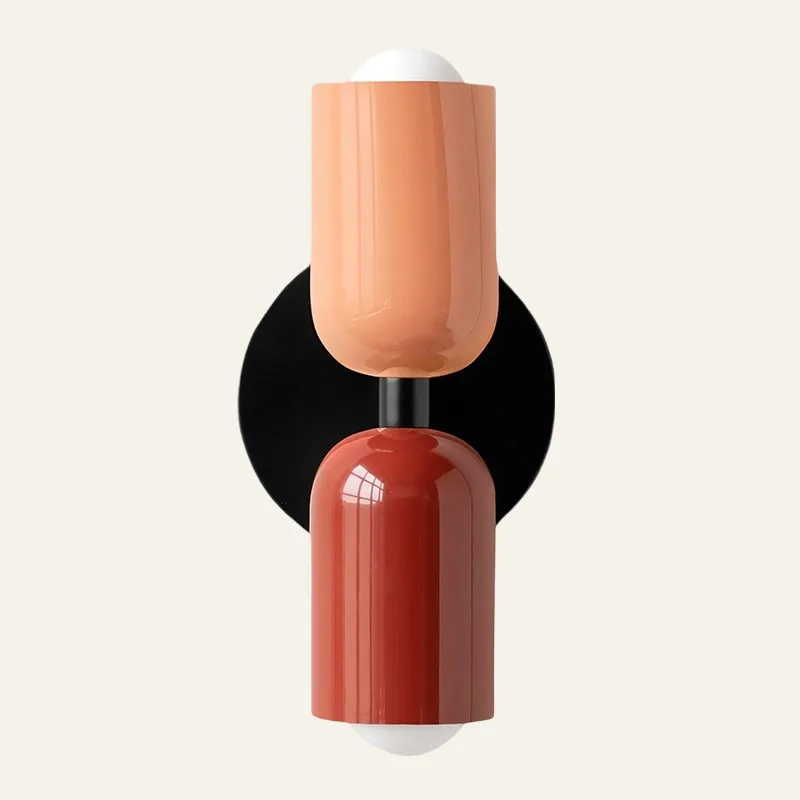
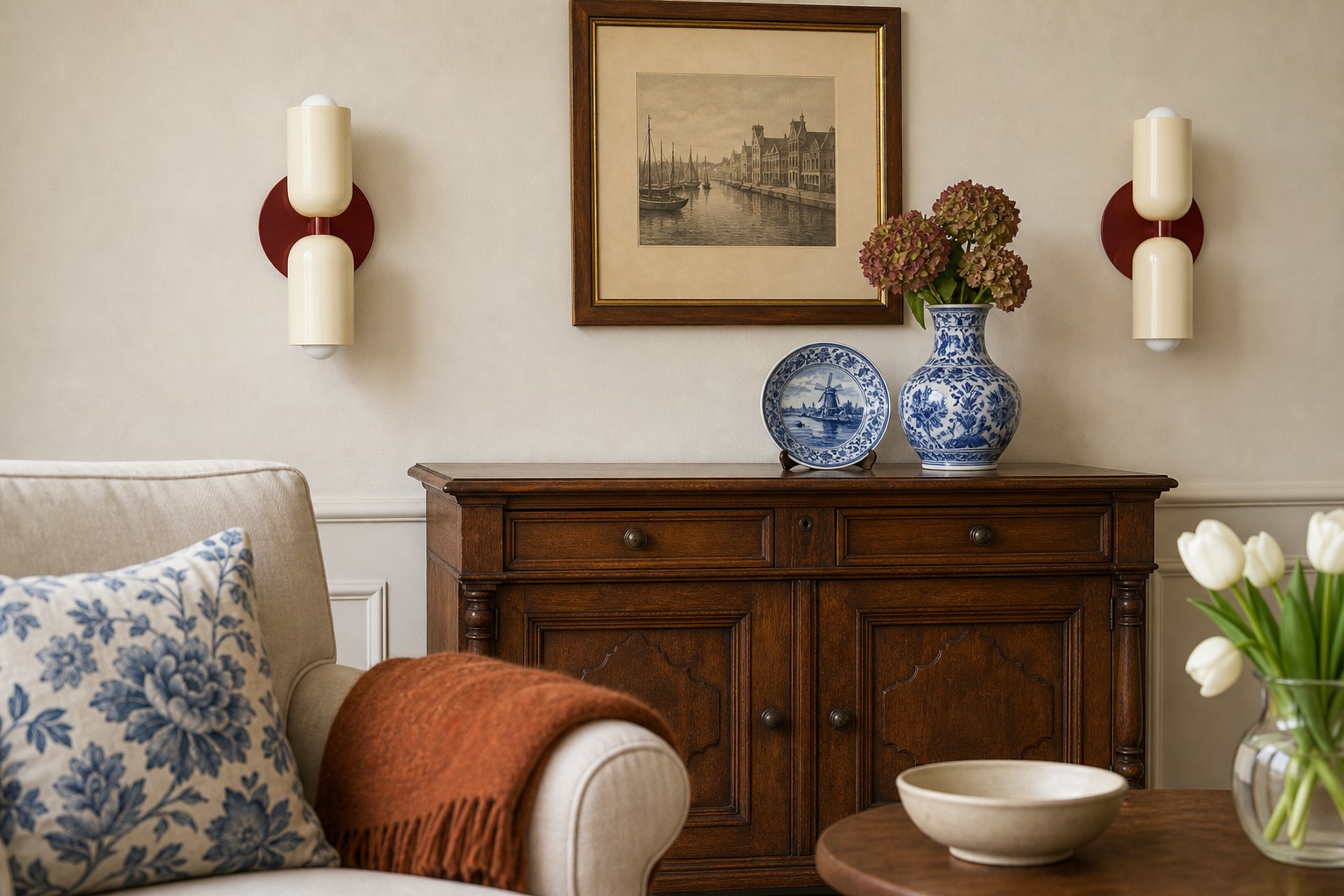
Choose an up-and-down wall light if you want the wall itself to become part of the room's atmosphere. Choose a single-direction sconce if you need a more focused beam for reading, highlighting one area, or keeping light away from the ceiling or floor. Both can look beautiful, but they solve different design problems.
The Fast Decision: Do You Need Glow or Direction?
The easiest way to choose is to ask what the light should do after dark. If the wall feels flat, a dual-direction fixture can create a soft vertical glow above and below the lamp. If one surface needs attention, such as a bedside book, a picture, or a narrow entry console, a single-direction light may be more useful.
Before making the final call, it helps to check the basics covered in Everything You Need to Know Before Installing Wall Sconces. Height, wiring point, furniture position, and glare can change which option works best. A wall light that looks right in a product photo can still feel wrong if the beam lands in the wrong place.
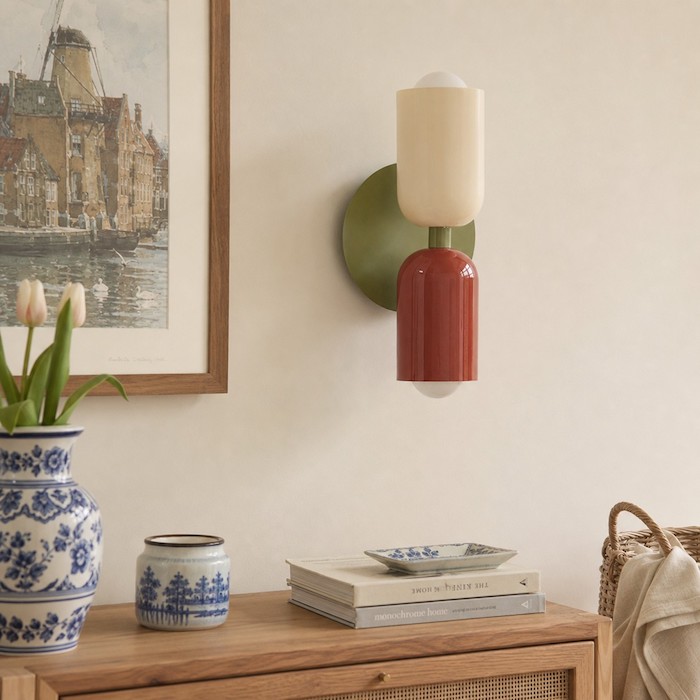
For modern rooms that need atmosphere without extra decoration, the Symra Wall Sconce is a strong example of the up-and-down approach. Its minimalist metal body keeps the fixture quiet while the light gives the wall more depth.
Quick Comparison Table
| Decision point | Up-and-down wall light | Single-direction wall light |
|---|---|---|
| Best effect | Wall glow and architectural depth | Focused light in one direction |
| Best rooms | Hallways, bedrooms, living rooms, feature walls | Reading corners, bedsides, art walls, task areas |
| Visual mood | Soft, balanced, layered | Clear, practical, directional |
| Common risk | Needs clear wall space above and below | Can look harsh if the beam is too exposed |
What Is an Up-and-Down Wall Light?
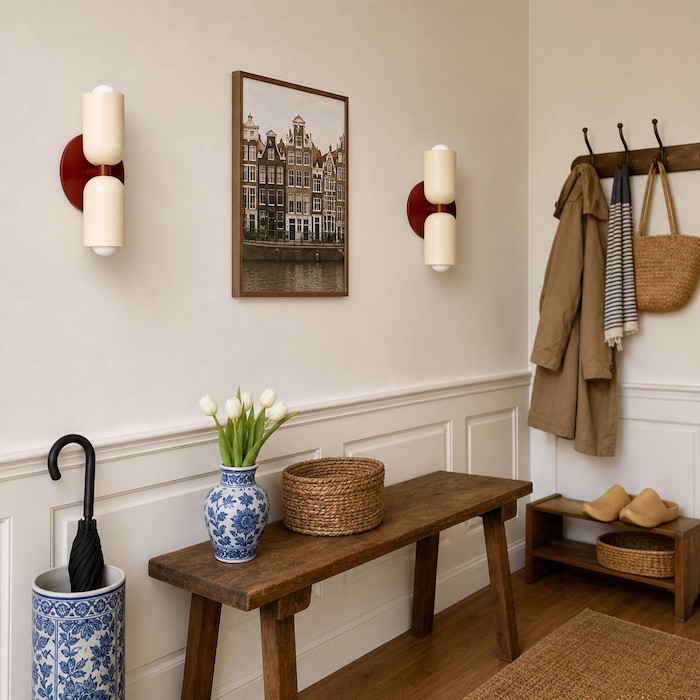
An up-and-down wall light sends light in two directions, usually above and below the fixture. Instead of putting all attention on the lamp shape, it lets the wall display the lighting effect. This is why it often feels more architectural than decorative.
This type works especially well when the wall has enough uninterrupted space for the beam to breathe. A plain painted wall, plaster wall, bedroom side wall, corridor wall, or living room background can all benefit. The effect is strongest when the fixture is not crowded by shelves, door frames, tall plants, or artwork placed too close to the beam.
The Symra Scandinavian Dual Light Metal Wall Lamp fits this category because it uses a restrained metal form and warm dual-direction light. It is best for people who want the room to feel finished at night without adding a visually heavy fixture.
What Is a Single-Direction Wall Light?
A directional wall light controls where the beam is aimed. A single-direction model sends most of its light mainly upward, downward, sideways, or outward. It is usually chosen when the light has a clearer job: helping someone read, brightening a small surface, highlighting a framed piece, or keeping the glow away from one part of the room.
Downward sconces can feel practical near a bed, desk, or entry shelf. Upward sconces can make a ceiling feel softer when the fixture is placed well. Adjustable one-way sconces can be useful when the user needs control. The trade-off is that a single beam can feel more obvious, so placement matters. If the lamp is too close to eye level, the glare can become the first thing people notice.
The Differences That Actually Change the Room
The biggest difference is not brightness. It is where the attention goes. Up-and-down lights make the wall feel taller and more layered because the eye follows the glow vertically. Single-direction lights make the eye follow a more specific beam, so they are better when you want focus rather than atmosphere.
Think about a hallway. A dual-direction sconce can create rhythm along the wall and make the route feel calmer. A downward-only sconce may be better if the hallway has artwork or a narrow console that needs a defined pool of light. In a bedroom, a dual-direction fixture can soften the wall beside the bed, while a directional bedside sconce is better for reading.
Clearance matters too. For a dual-direction fixture, leave enough open wall above and below the lamp so the glow is visible. Around eye-level placement, many homes begin testing sconces around 150 to 180 cm from the floor, then adjust for ceiling height, bed height, and glare. Use centimetres as a planning guide, then confirm the final position on the actual wall.
Choose Up-and-Down Wall Lights If...
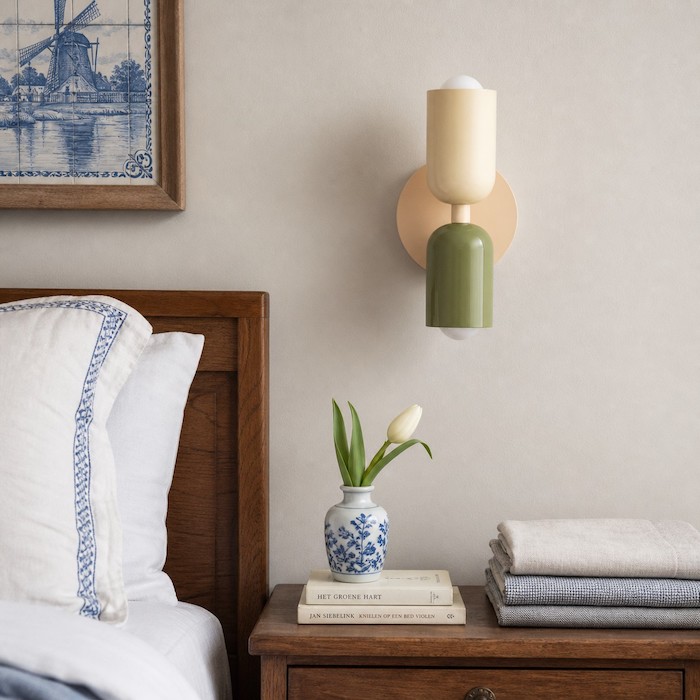
Choose up-and-down wall lights if your wall needs atmosphere more than task light. They are a good fit for long corridors, calm bedrooms, warm living rooms, stair landings, and simple feature walls. They also work well in minimalist interiors because the lighting effect becomes the decoration.
This option is especially strong when the wall looks fine during the day but loses depth at night. If you are planning a more mood-led room, Walls That Come Alive After Sunset is the natural follow-up topic because it focuses on using wall glow to make finished spaces feel more alive after dark.
Choose this route if you like quiet luxury, Nordic styling, Japandi warmth, or modern interiors with fewer objects. The Symra minimalist metal wall sconce is worth considering when you want that balanced glow without turning the fixture into the loudest object in the room.
Choose Single-Direction Wall Lights If...
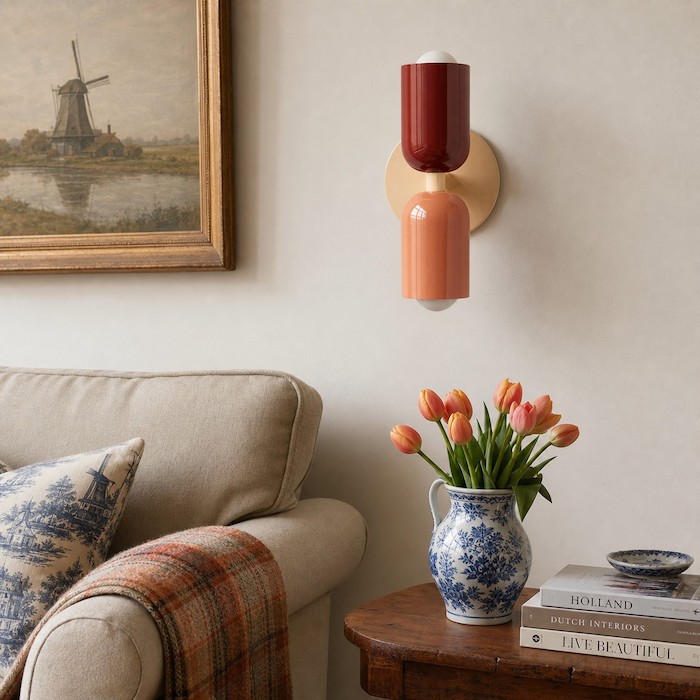
Choose a single-direction sconce if the light needs to help with one specific task or highlight one object. It can be better beside a reading chair, above a small bedside shelf, near a vanity mirror, or above artwork. The clearer the job, the more useful a directed beam becomes.
It is also a good option when the wall has limited space. If there is a shelf above the fixture, a low ceiling, or a picture frame close by, a dual-direction beam may be interrupted. A one-way fixture gives you more control over where the light goes and where it does not go.
The caution is comfort. A focused beam should not point directly into normal seated or standing sightlines. Before installation, stand where people actually use the room and check whether the brightest part of the lamp will be visible.
Final Recommendation
For most modern living rooms, hallways, and calm bedrooms, an up-and-down wall light is the better choice because it improves the wall as a surface, not just the area beside it. It creates atmosphere, rhythm, and depth while keeping the fixture visually simple.
Choose a single-direction wall light when the beam has a clear task: reading, highlighting, or lighting a small surface. If your goal is comfort and atmosphere, start with an up-and-down fixture. If your goal is function in one spot, choose single-direction.
FAQ
Are up-and-down wall lights bright enough?
They are usually best for ambient or accent light, not as the only task light in a room.
Do up-and-down lights make a room look taller?
They can, because the glow draws the eye vertically along the wall.
Are single-direction sconces better for reading?
Usually yes, especially if the beam is aimed toward the book or seating area.
Can I mix both types in one home?
Yes. Use dual-direction lights for atmosphere and single-direction lights where a focused job is needed.
Which option suits minimalist interiors better?
Up-and-down wall lights often suit minimalist rooms because they add depth without adding clutter.