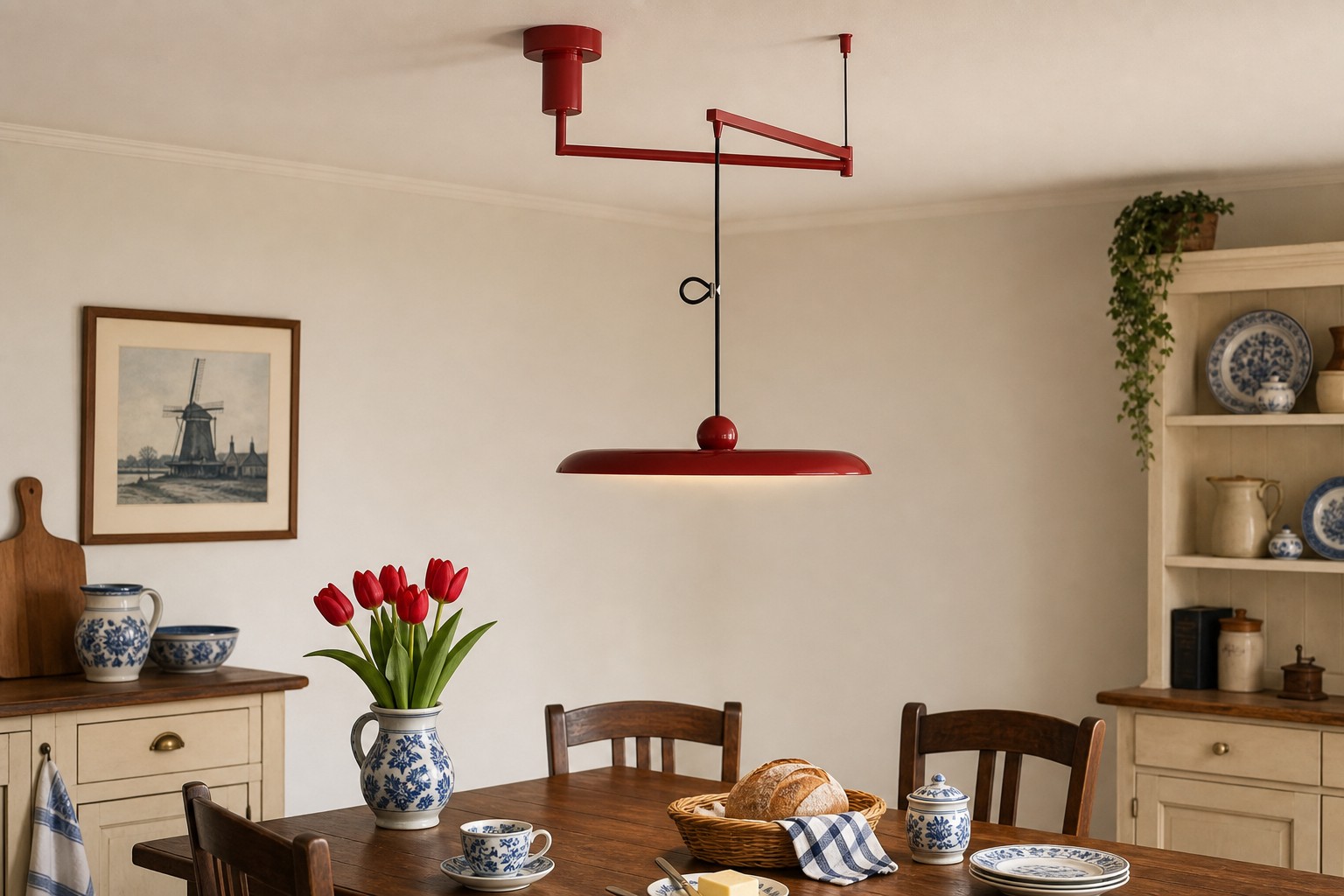
Dining pendant problem solver
Why Your Dining Table Never Feels Right Under a Fixed Pendant Light
If your dining table only looks right when it is pulled into an awkward position, the table may not be the problem. A fixed pendant can quietly control the room, especially when the ceiling outlet was placed before your current furniture, table size, or open-plan layout existed.
Quick Answer: The Ceiling Point Is Making the Decision
A dining table feels wrong under a fixed pendant when the ceiling point, table centre, chair clearance, and walking path do not line up. The lamp may be centred on the ceiling, but not centred on the way people actually eat, serve, move, and talk in the room.
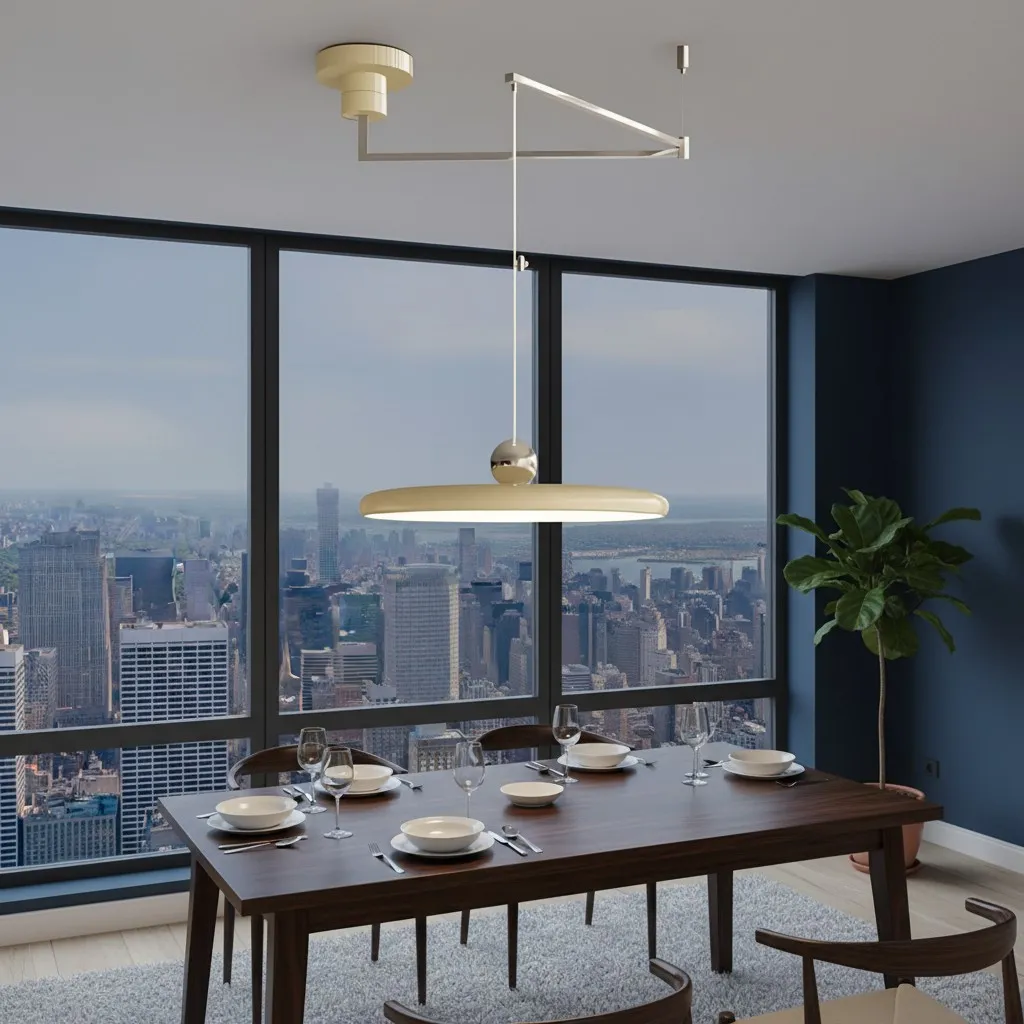
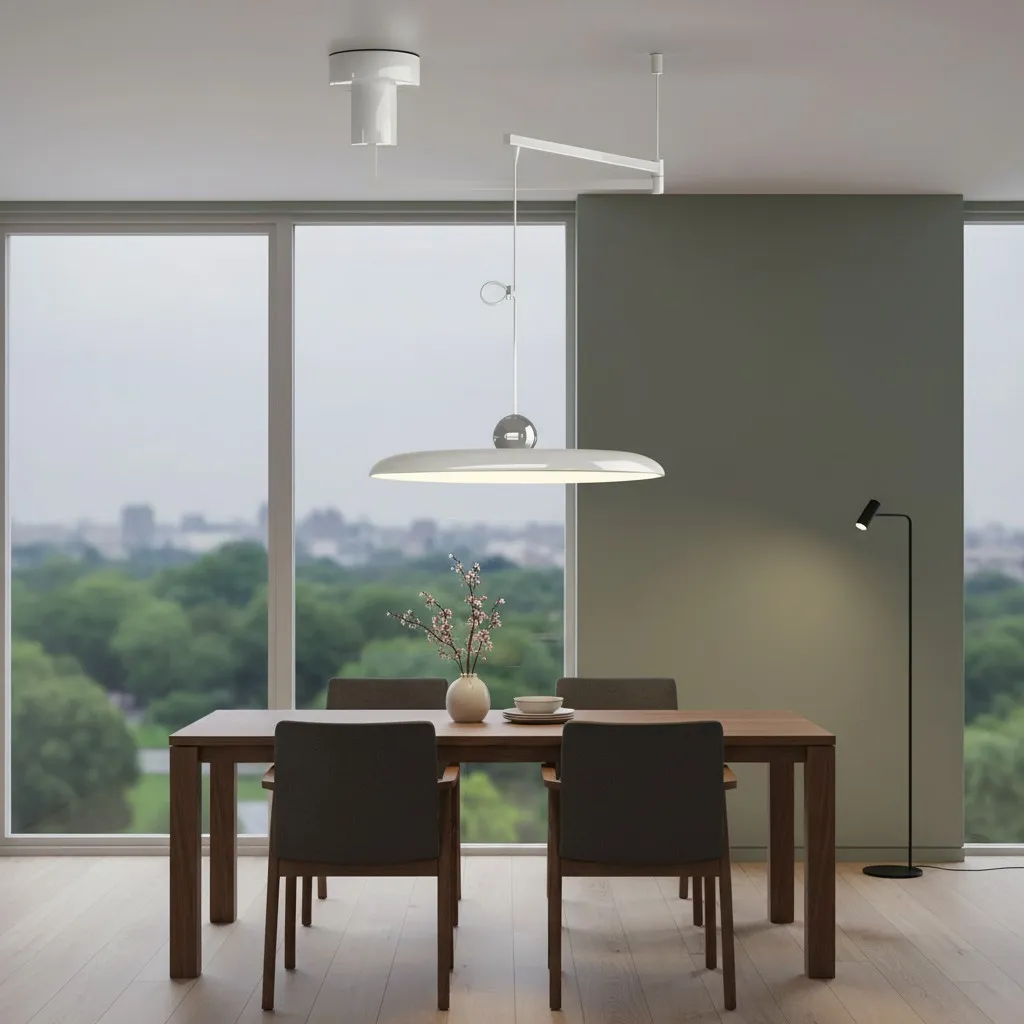
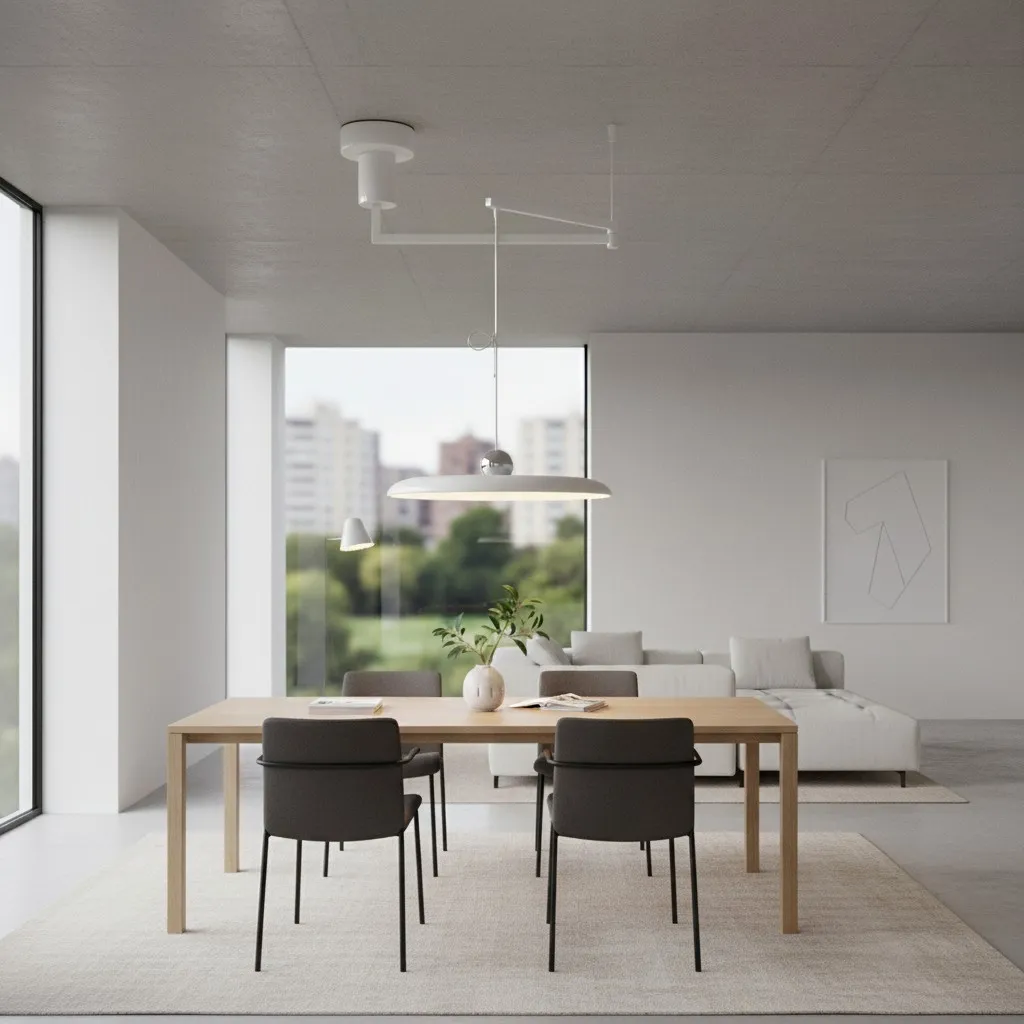
The practical fix is to centre the light over the activity, not automatically over the room. Sometimes that means moving the table slightly. Sometimes it means choosing a wider fixture. And sometimes the cleanest solution is an adjustable pendant that lets the light shift without forcing the furniture into the wrong place.
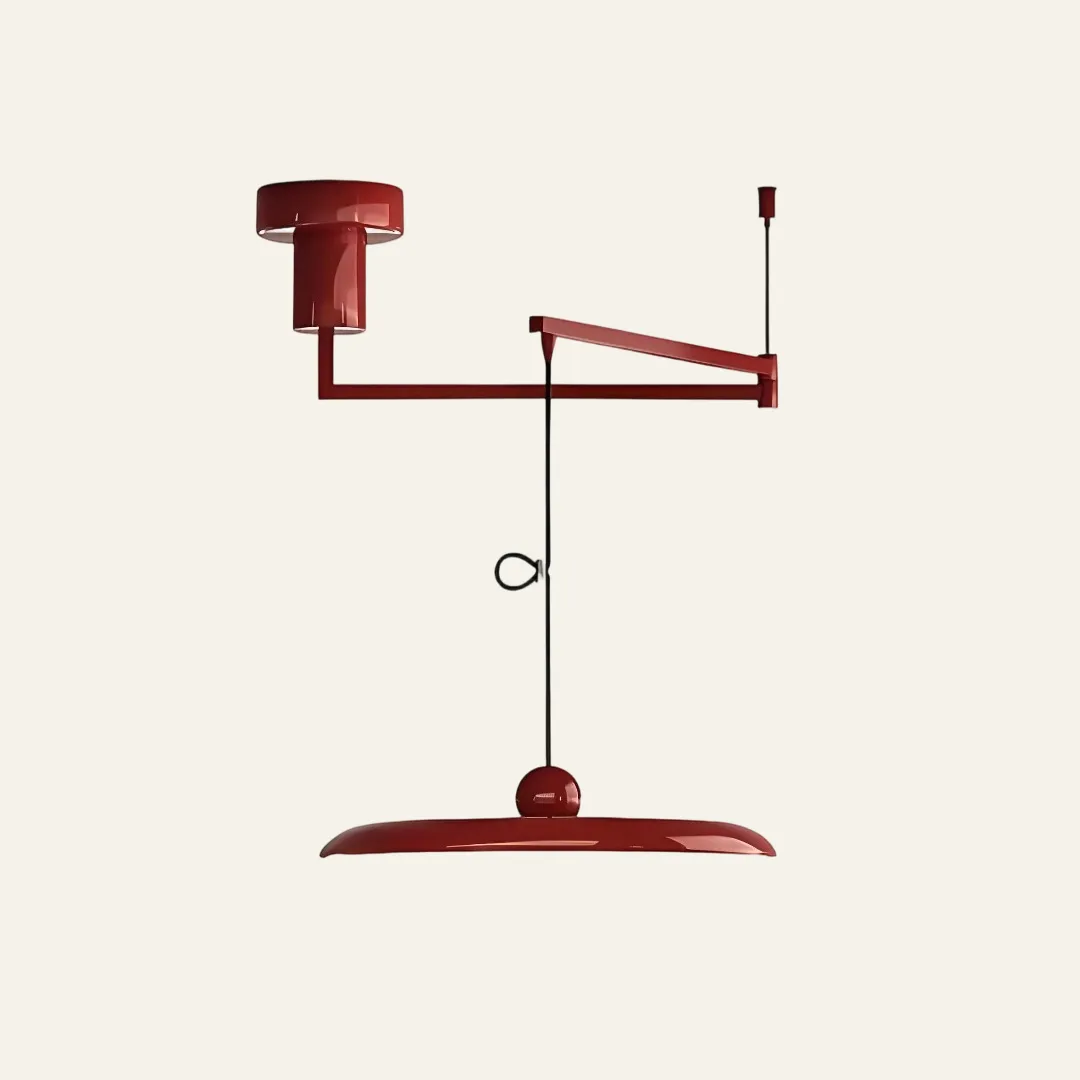
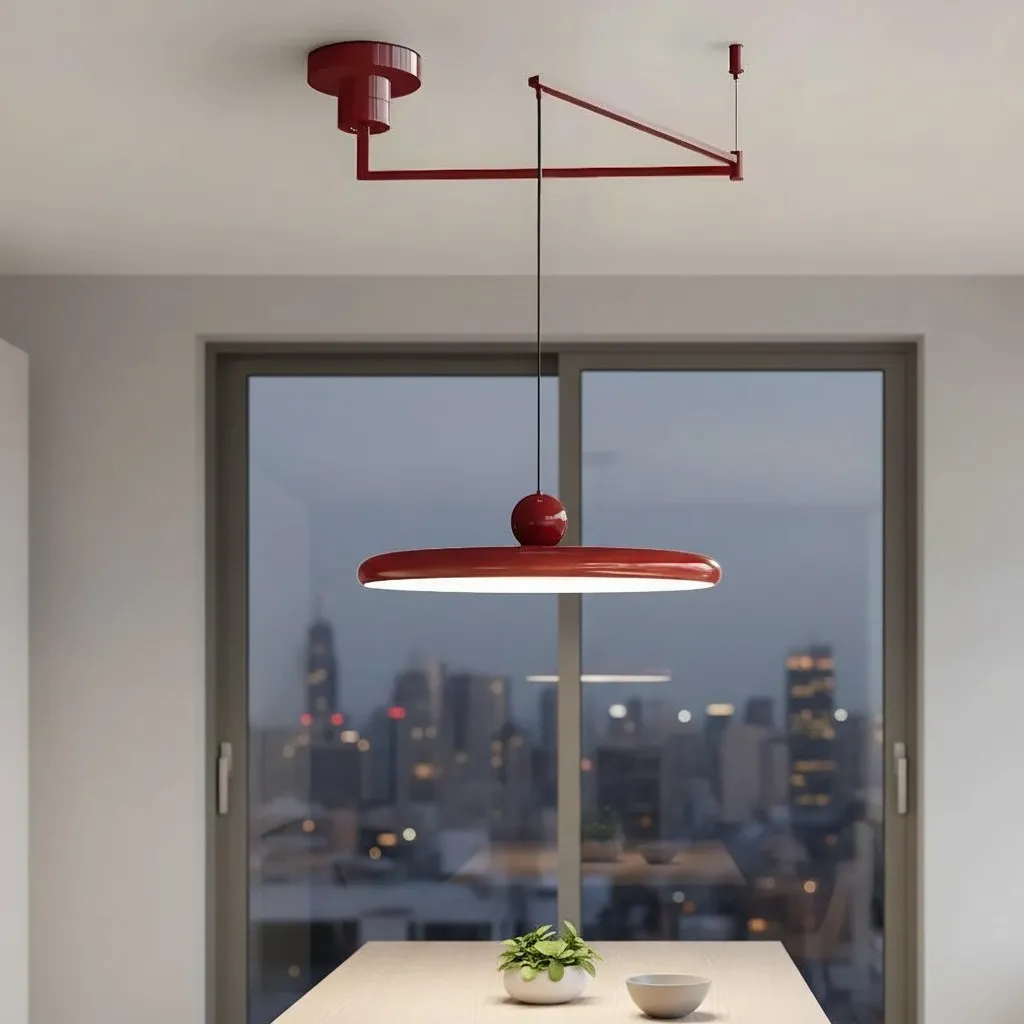
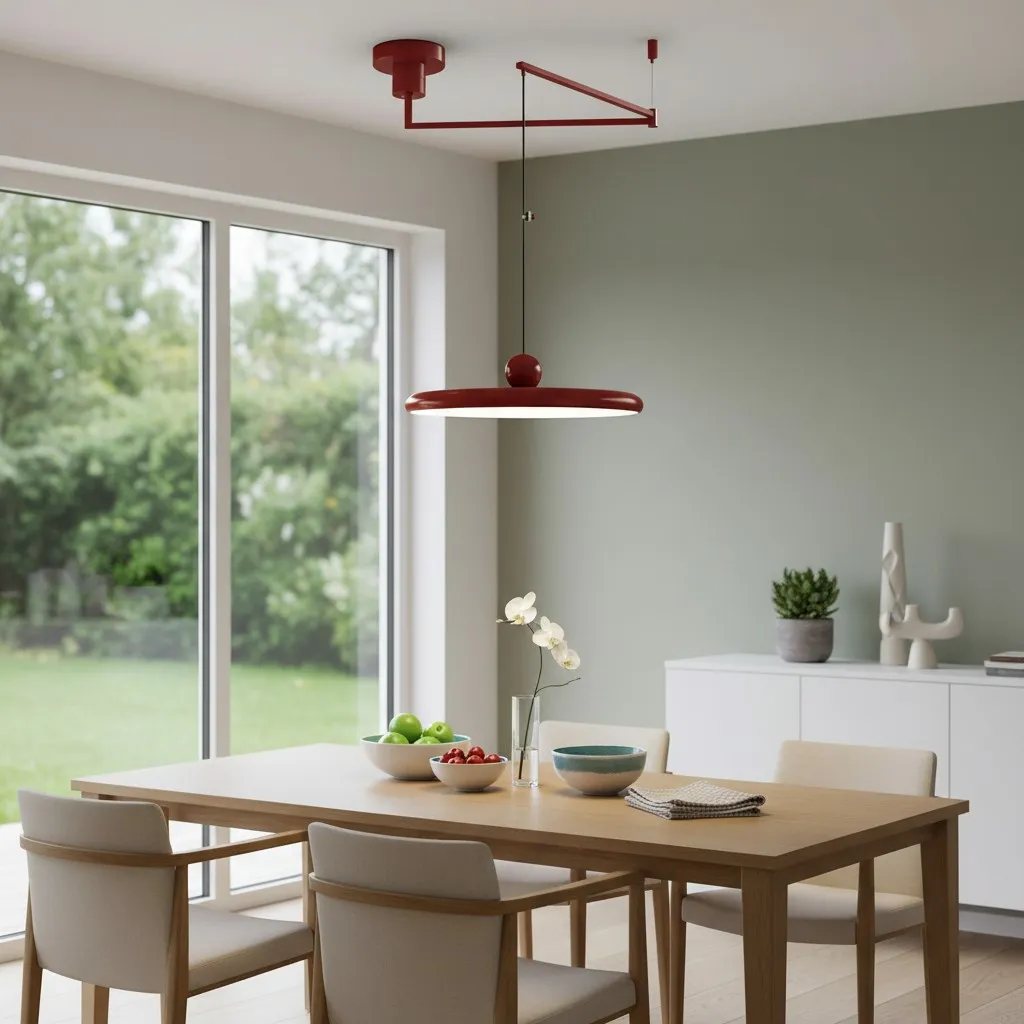
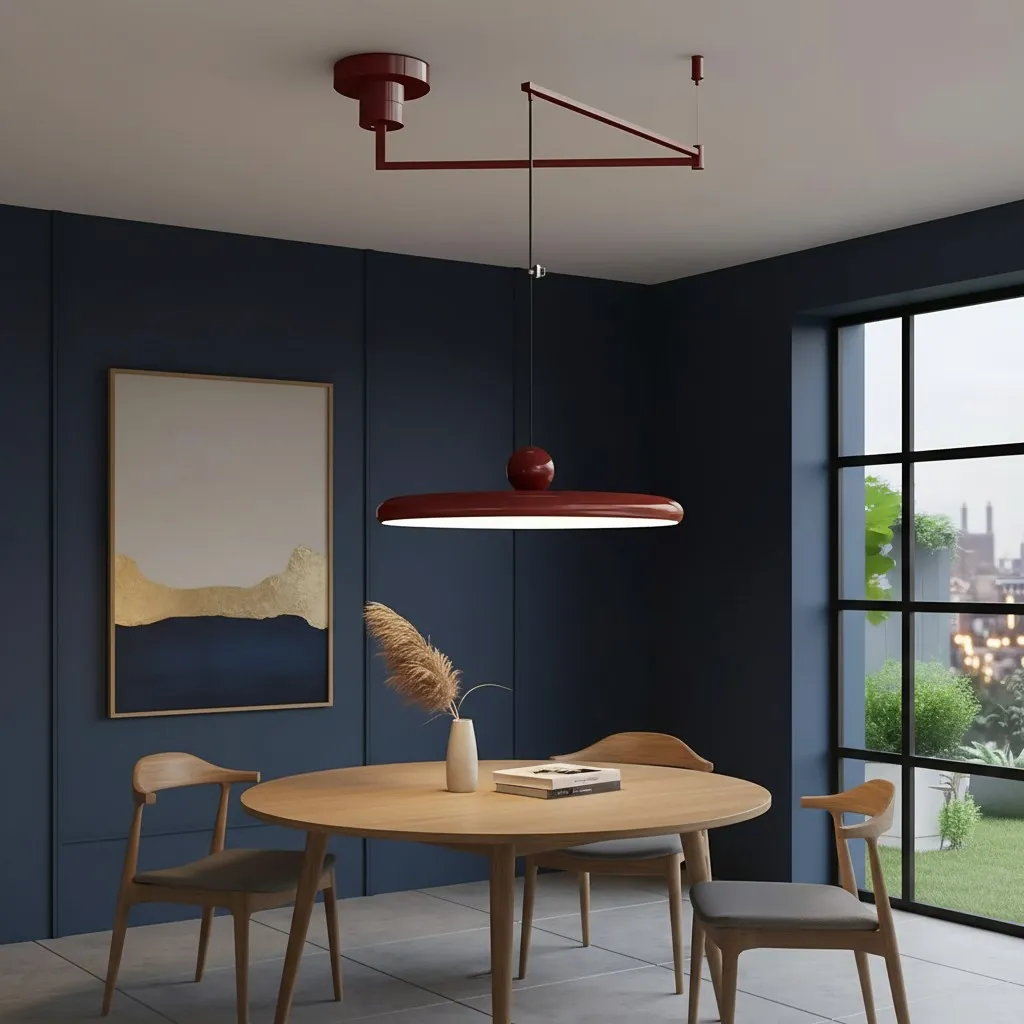
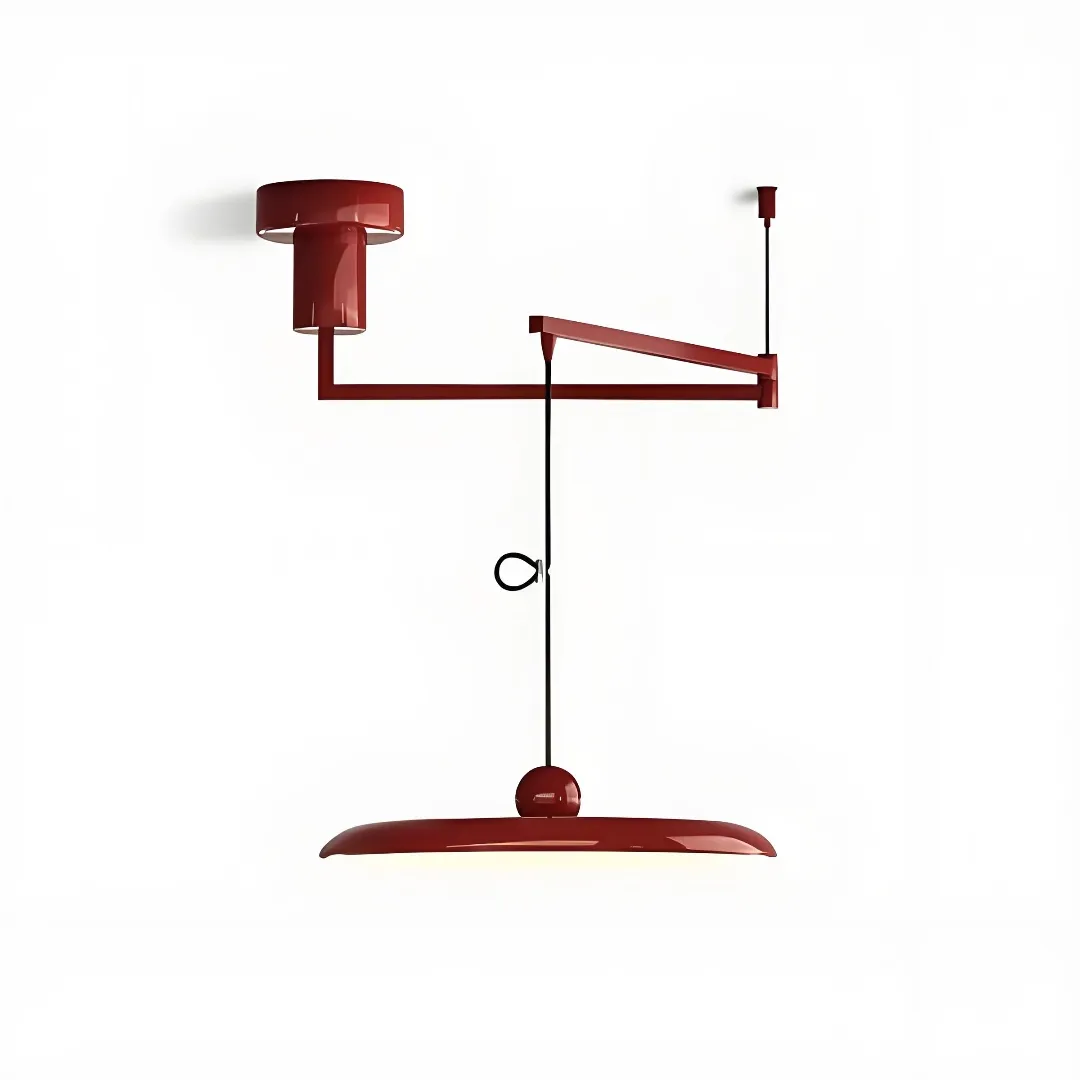
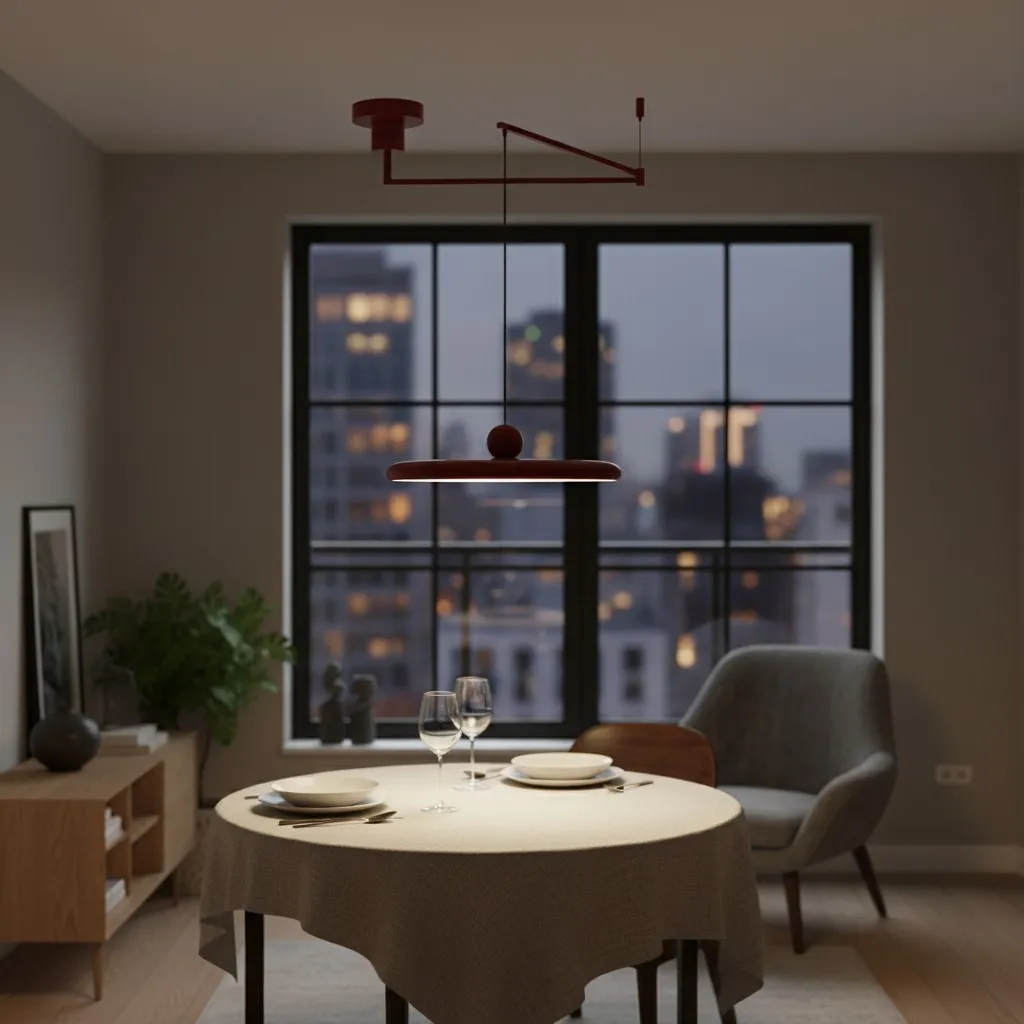
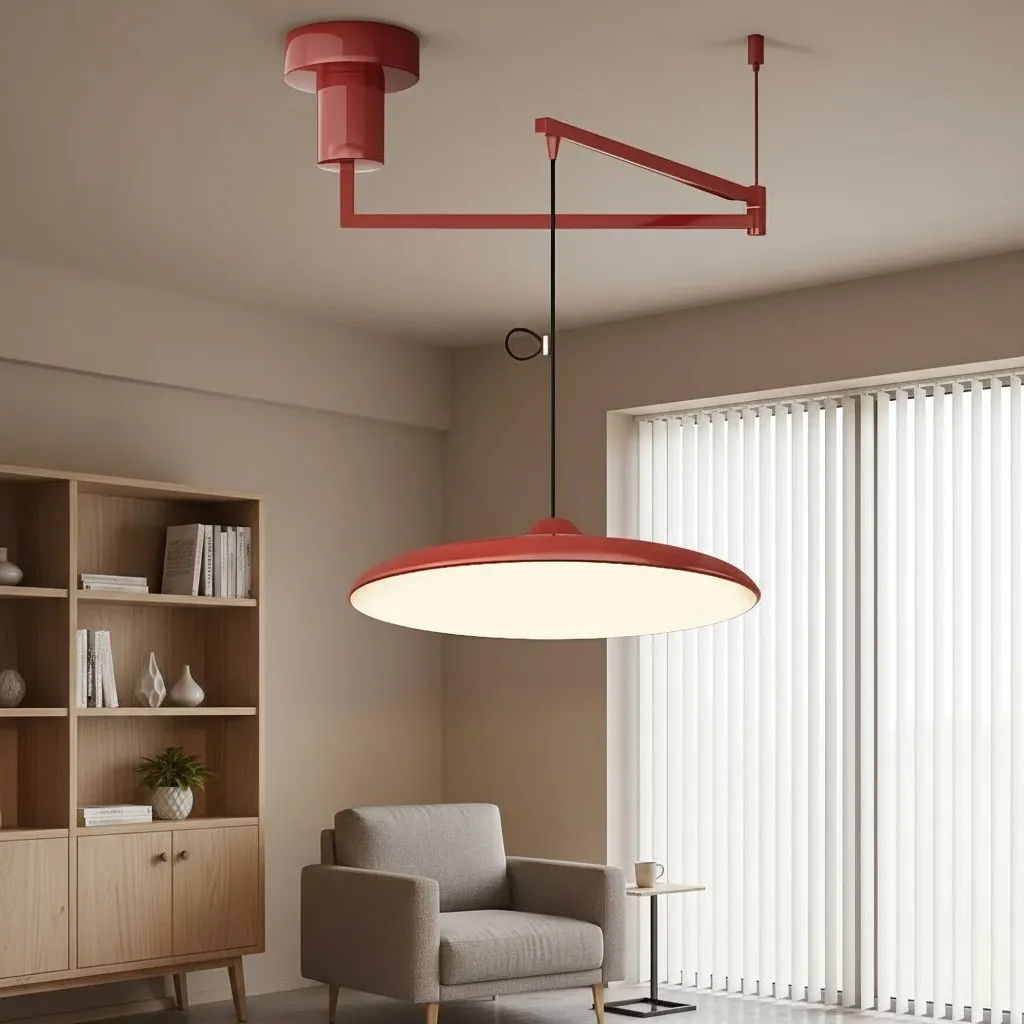
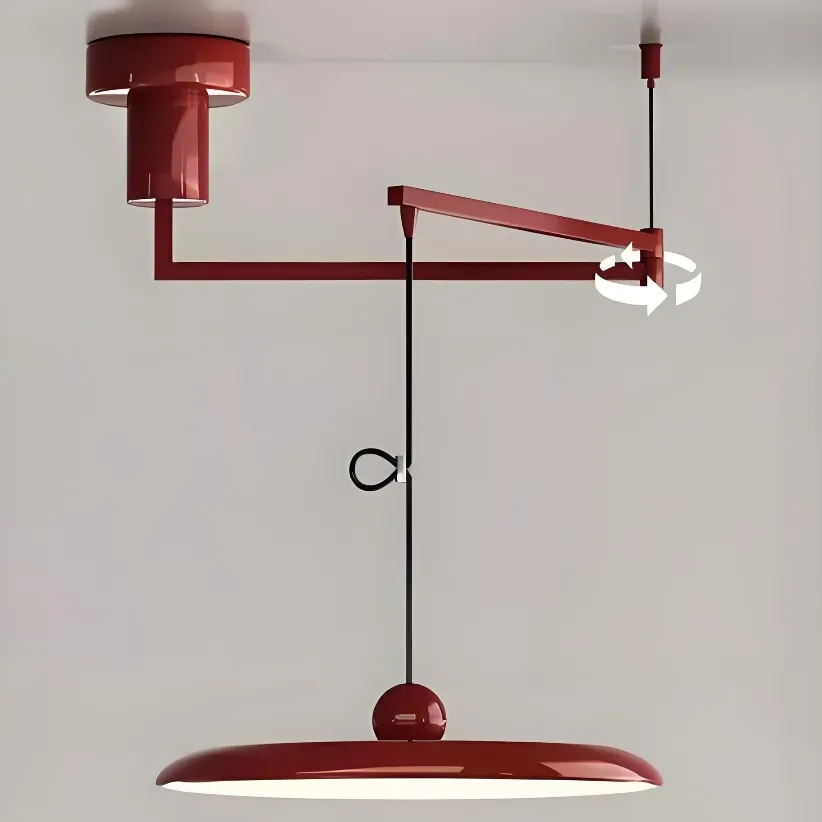
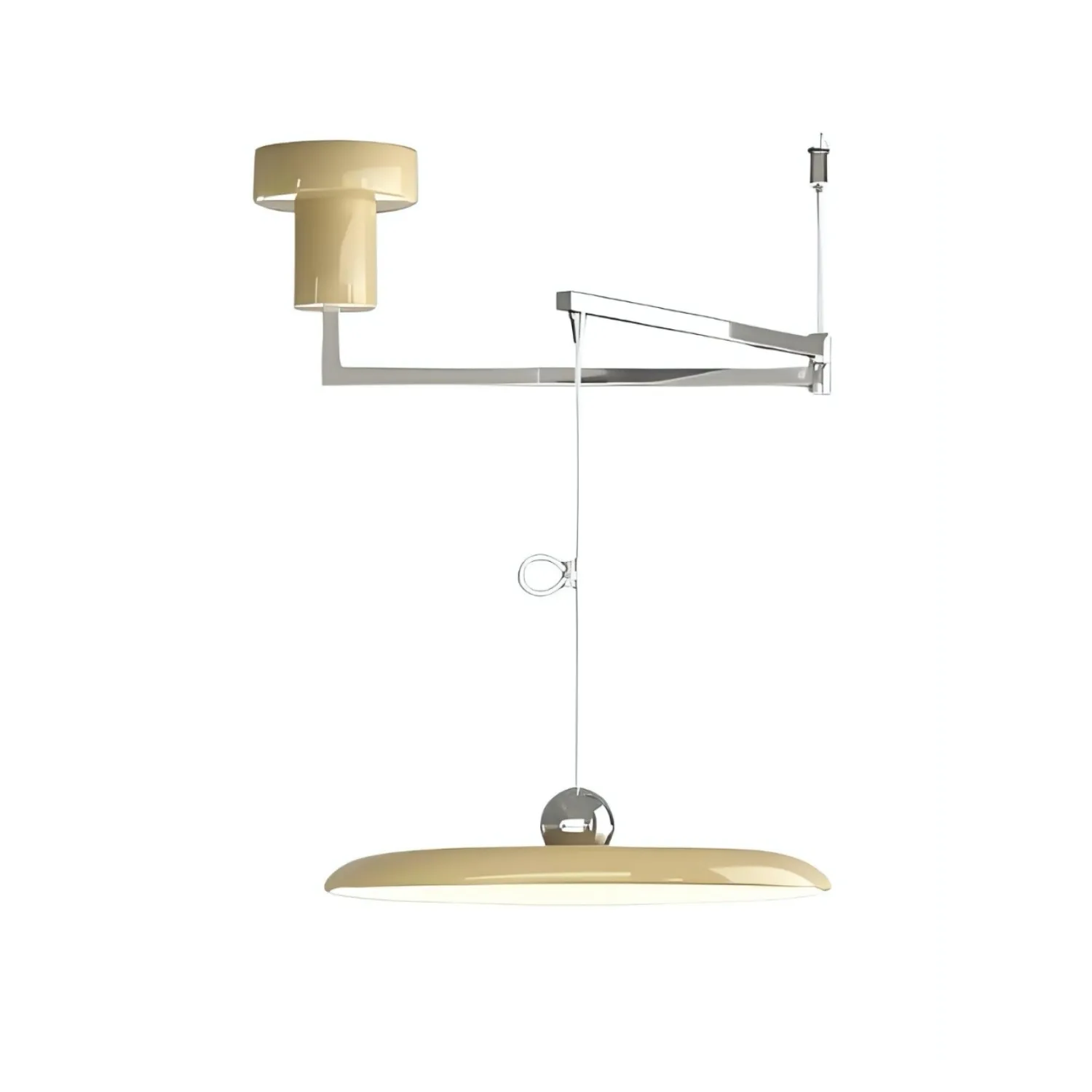
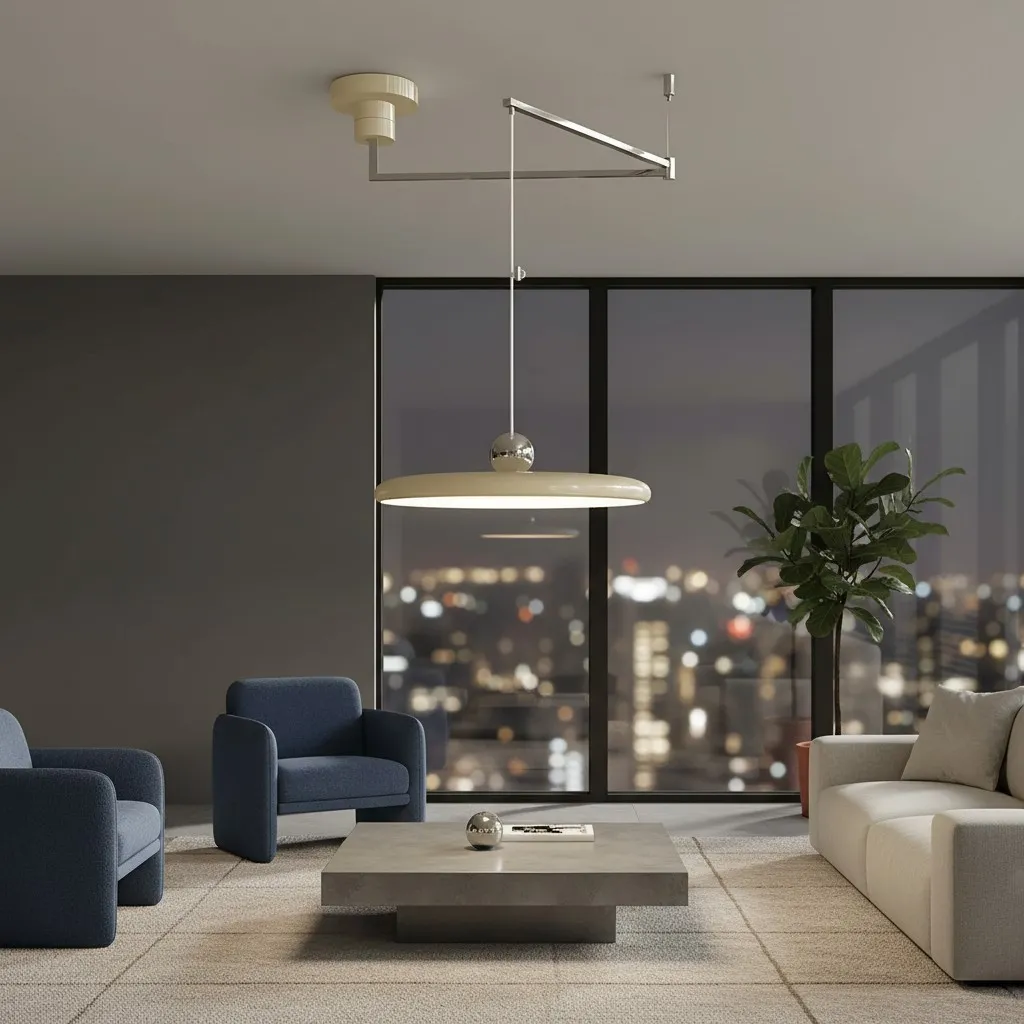
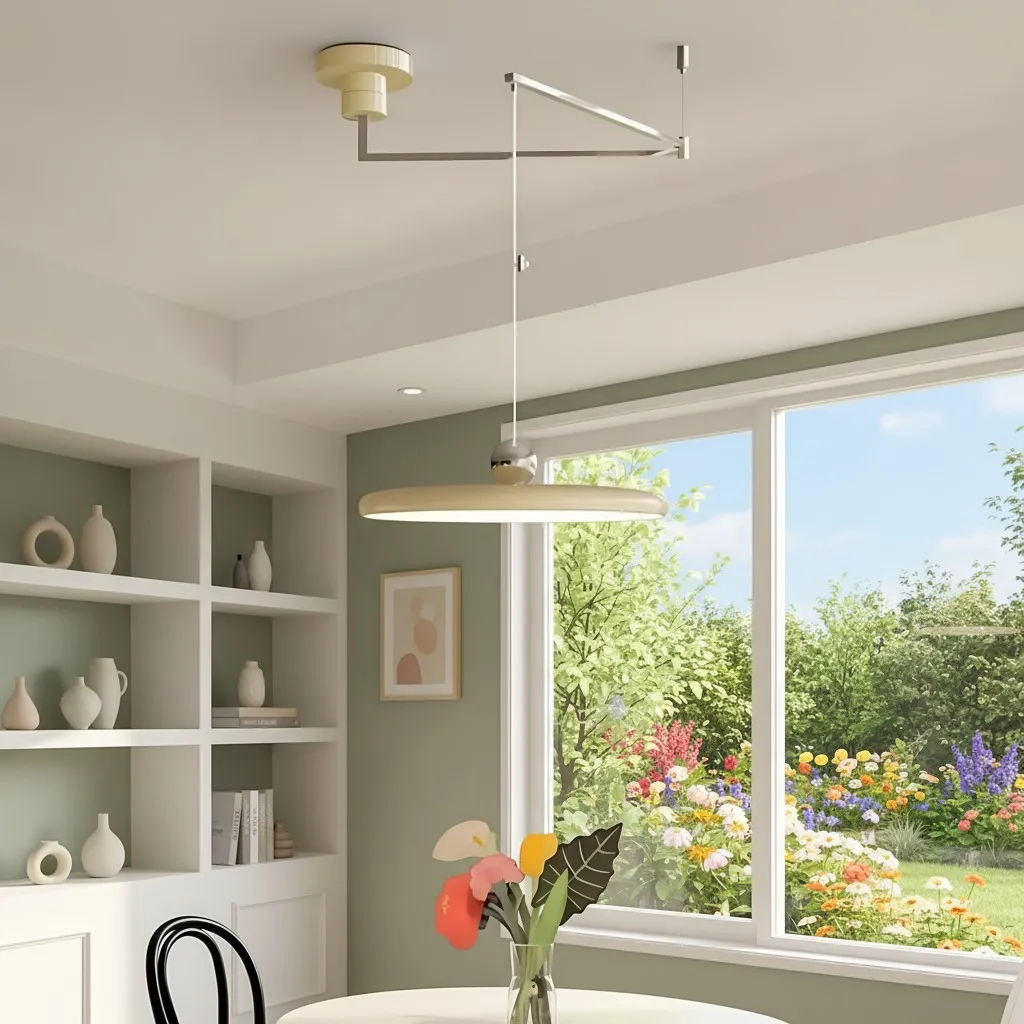
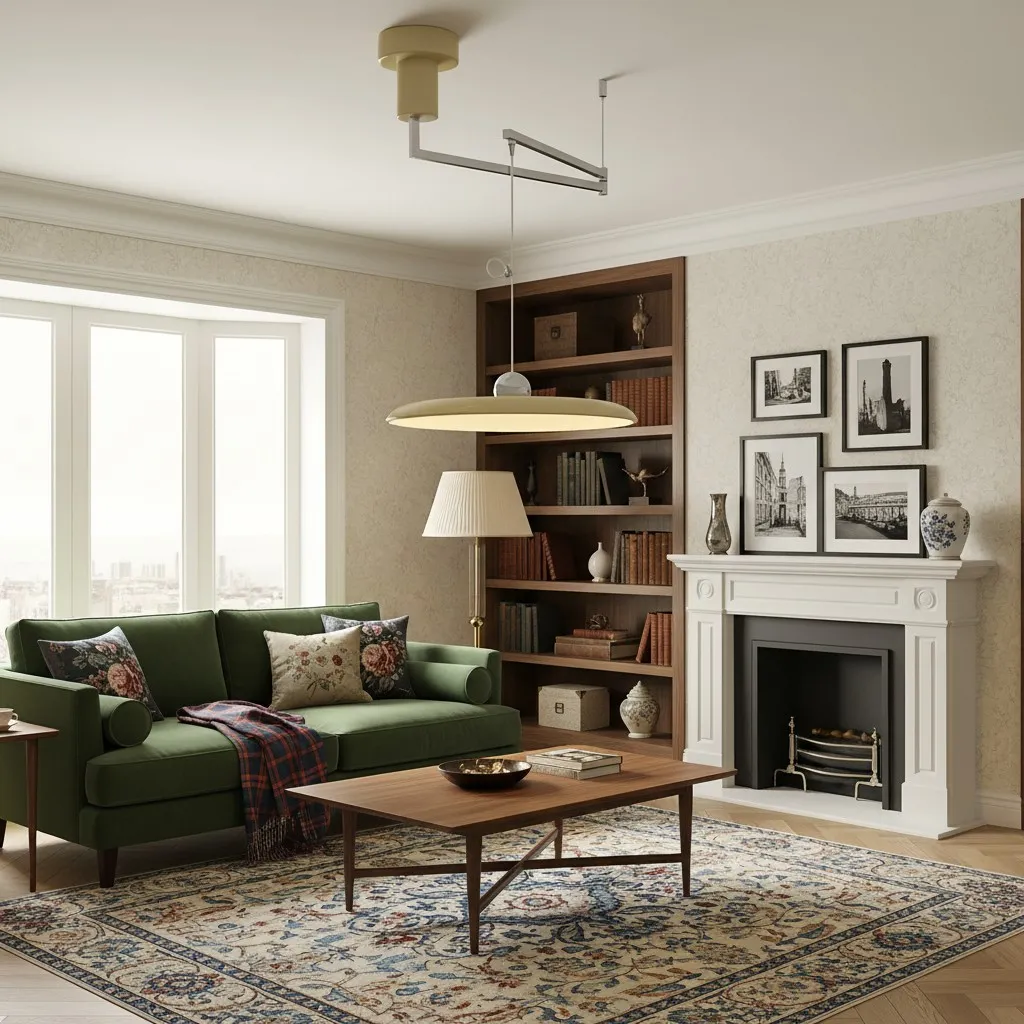
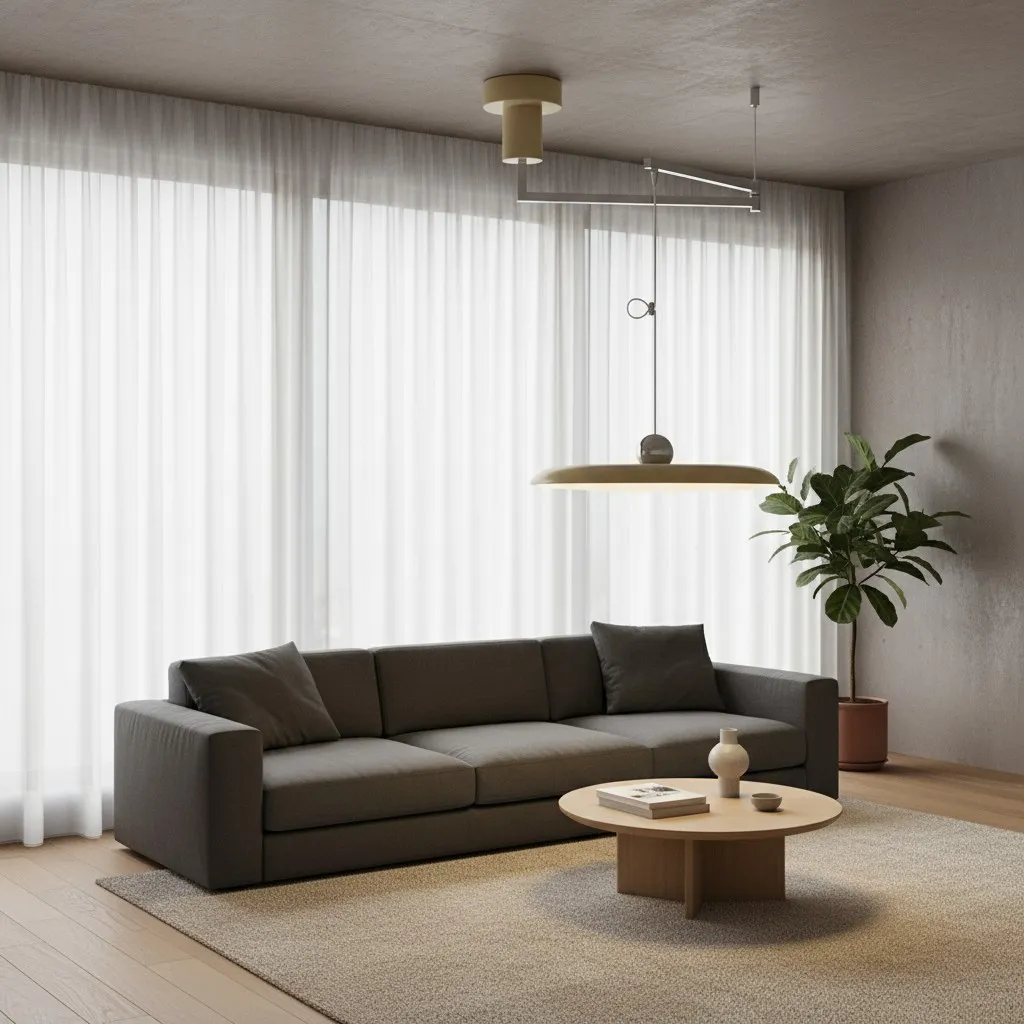
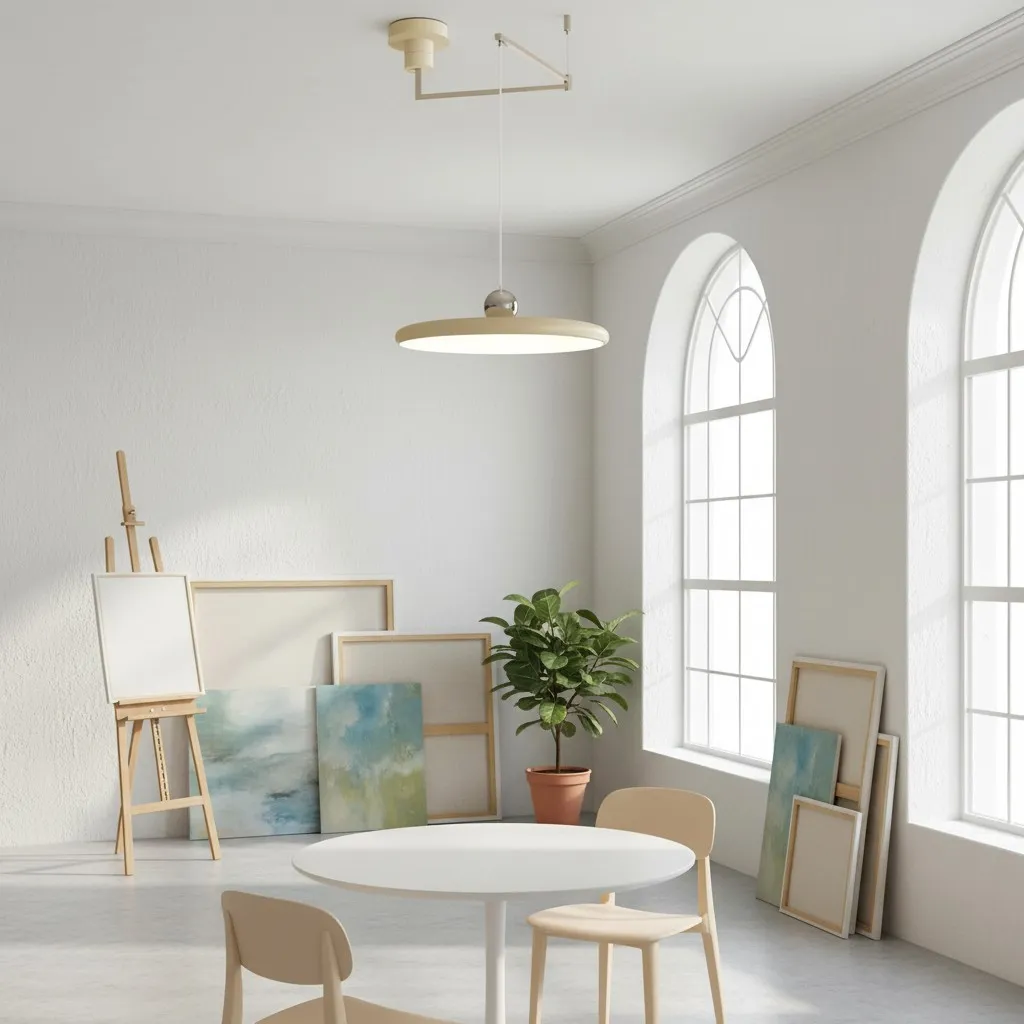
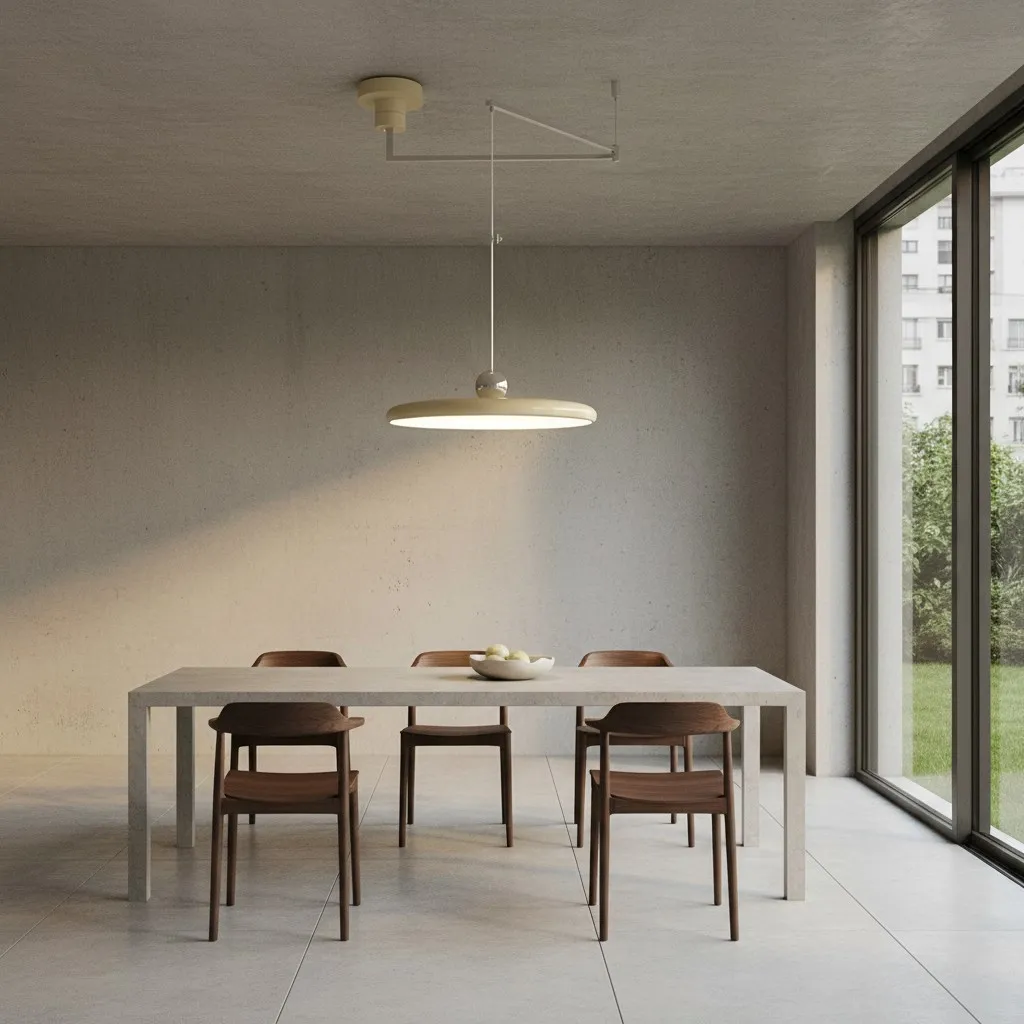
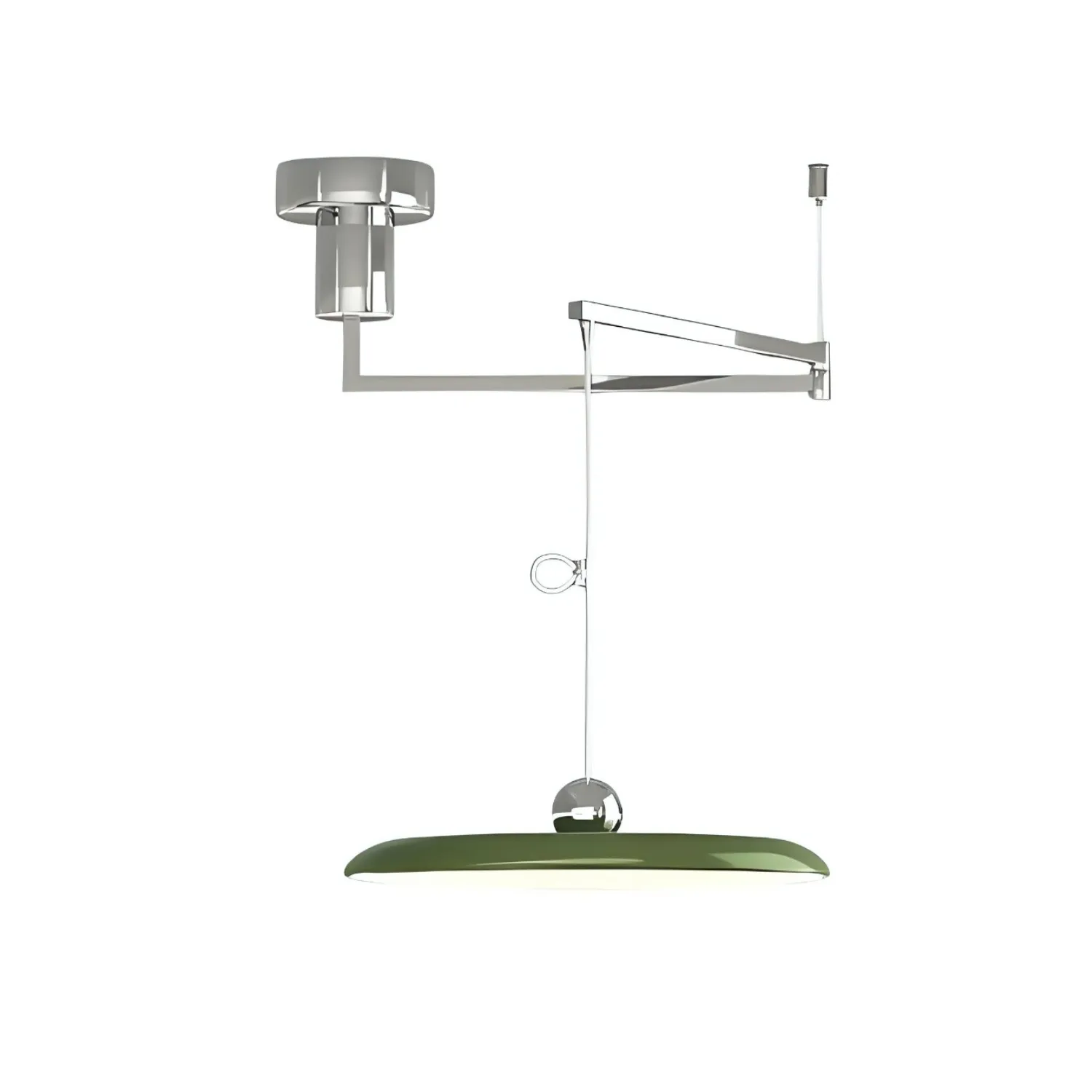
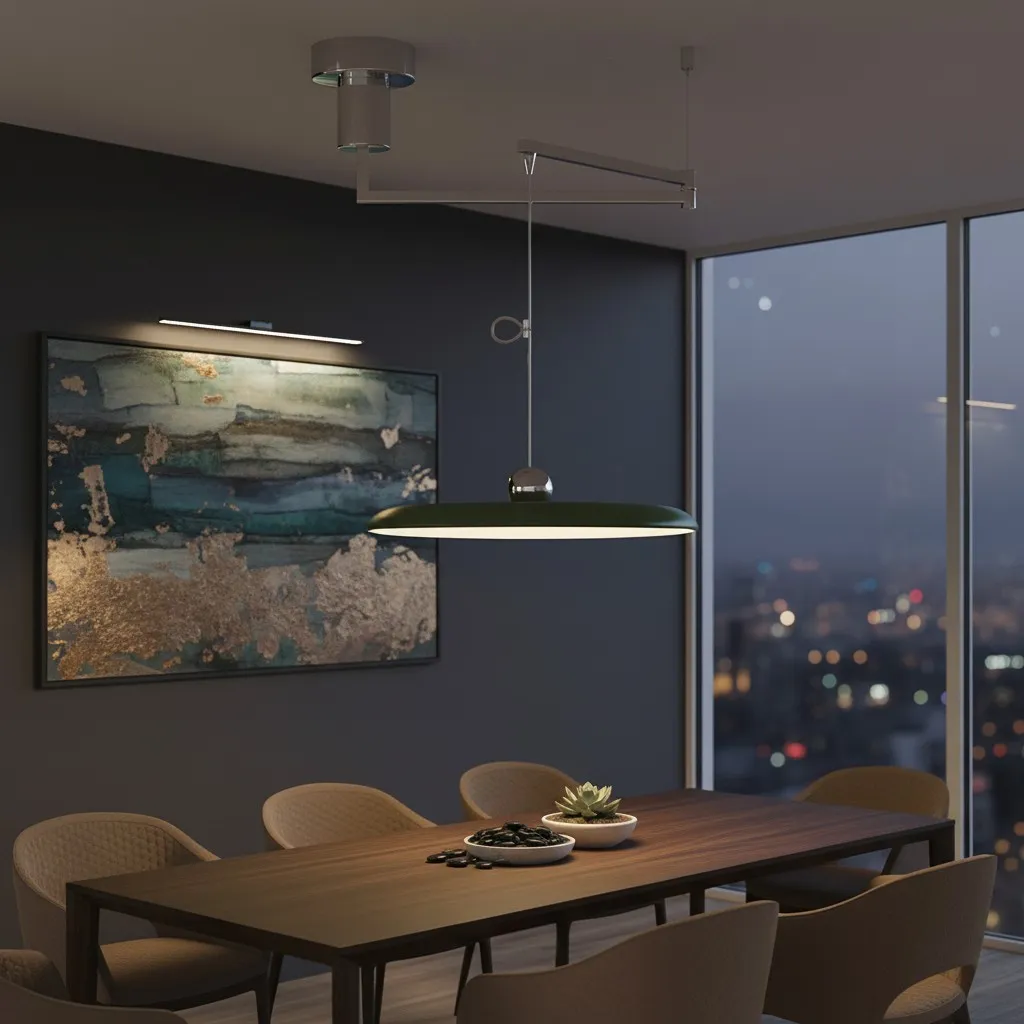
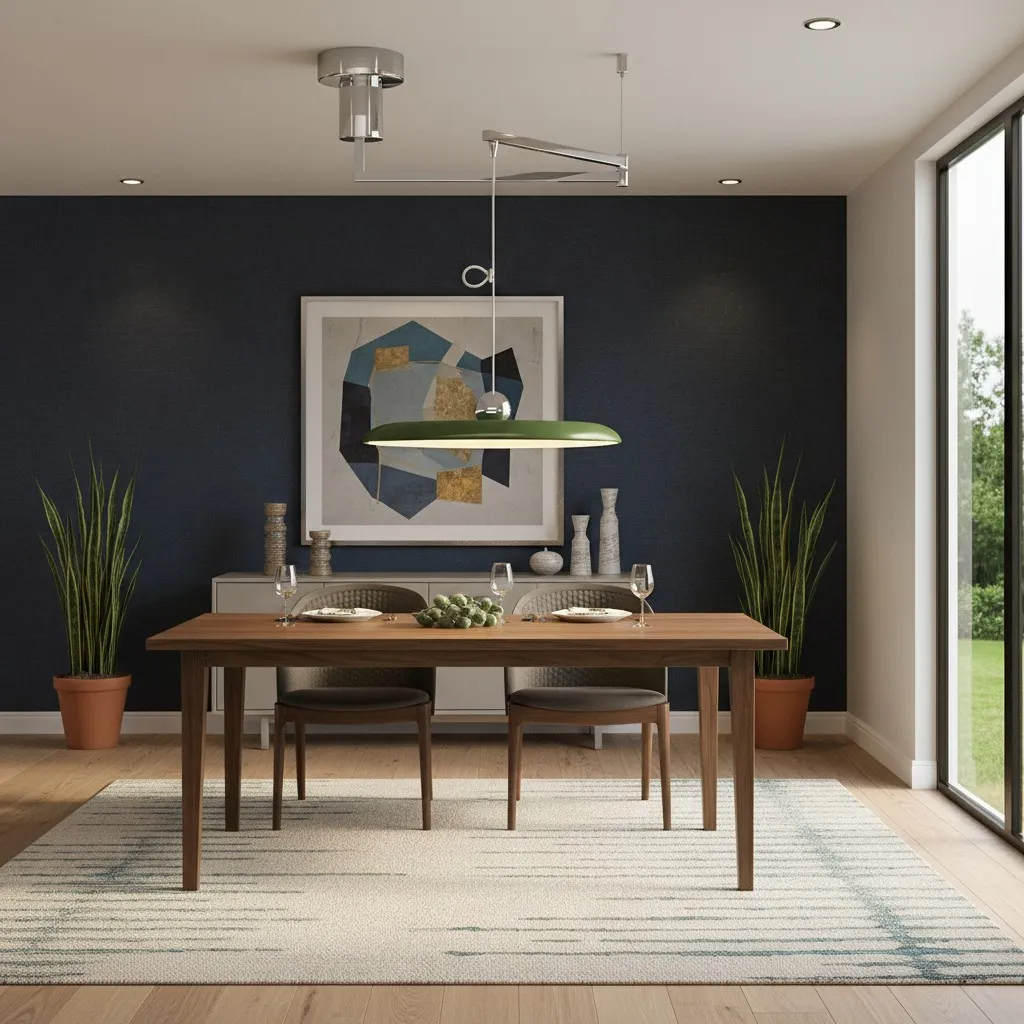
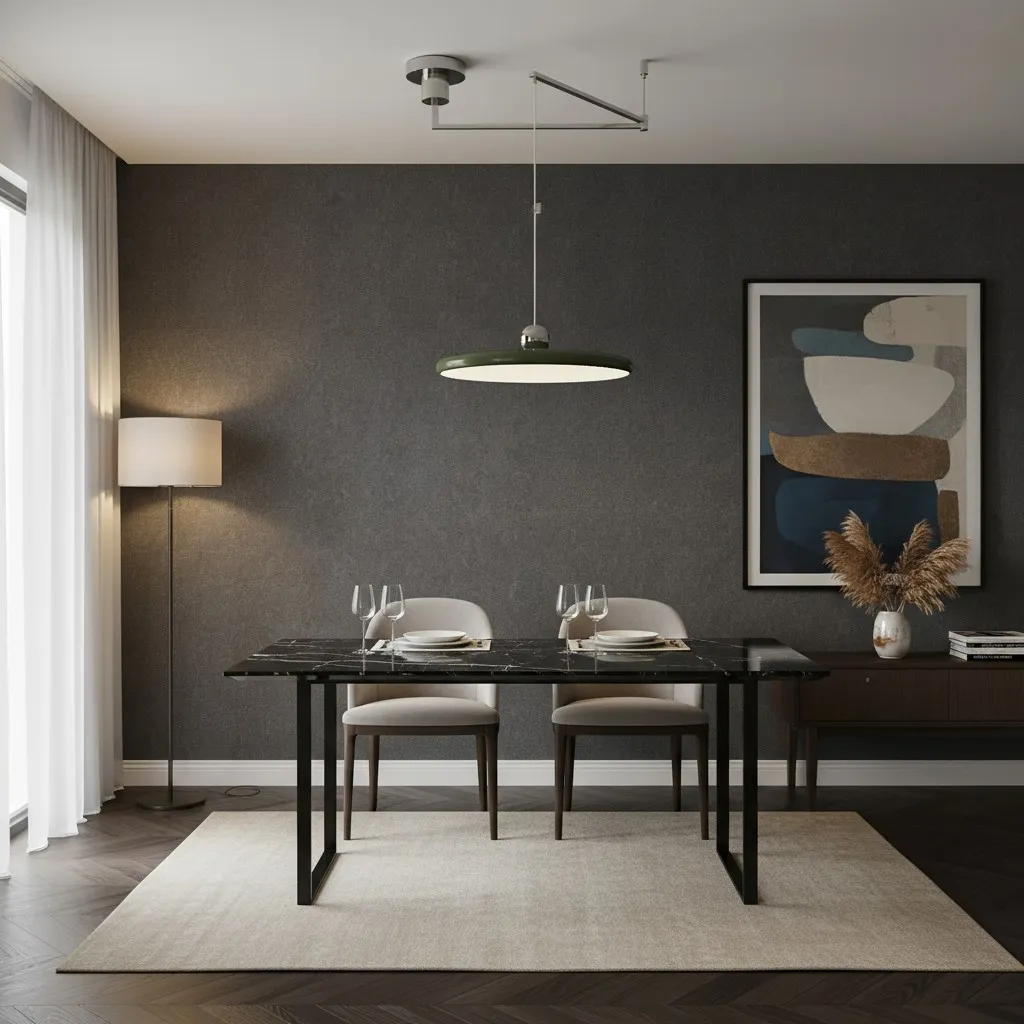
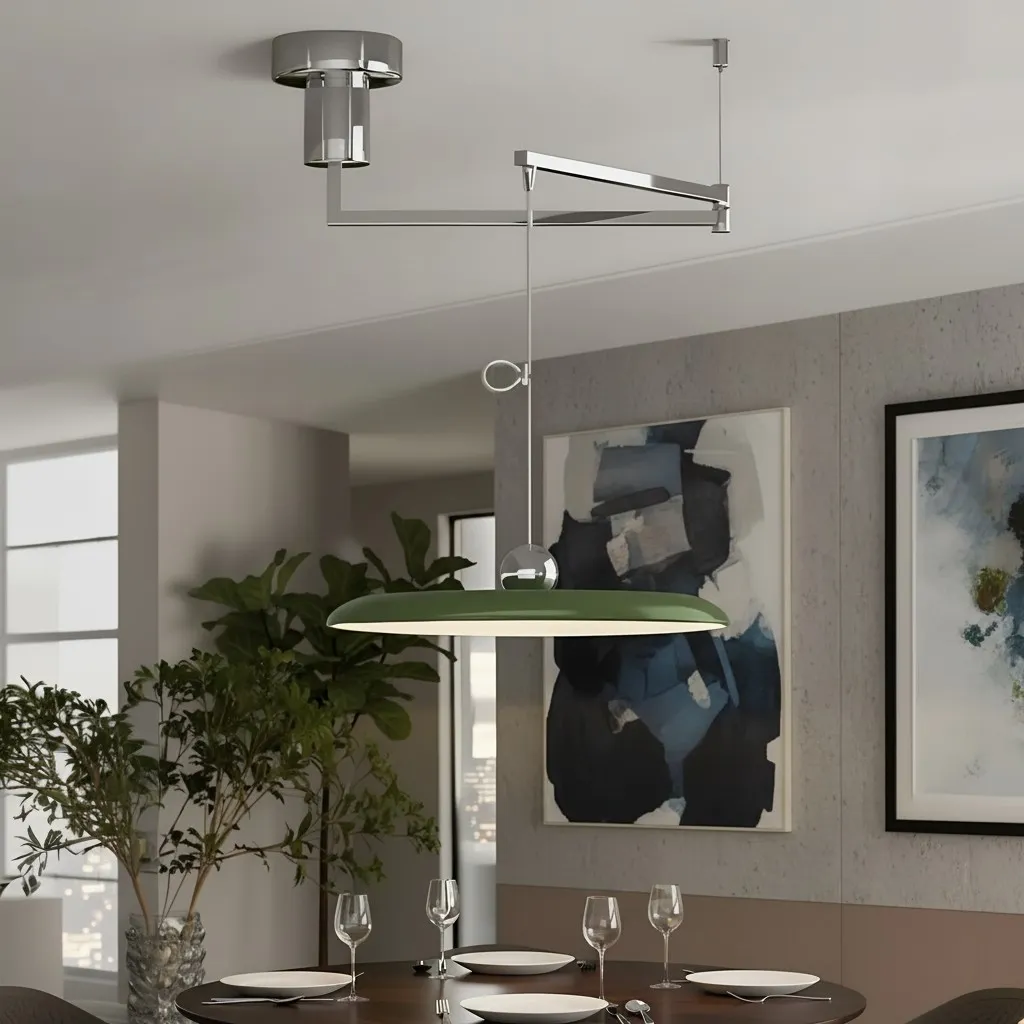
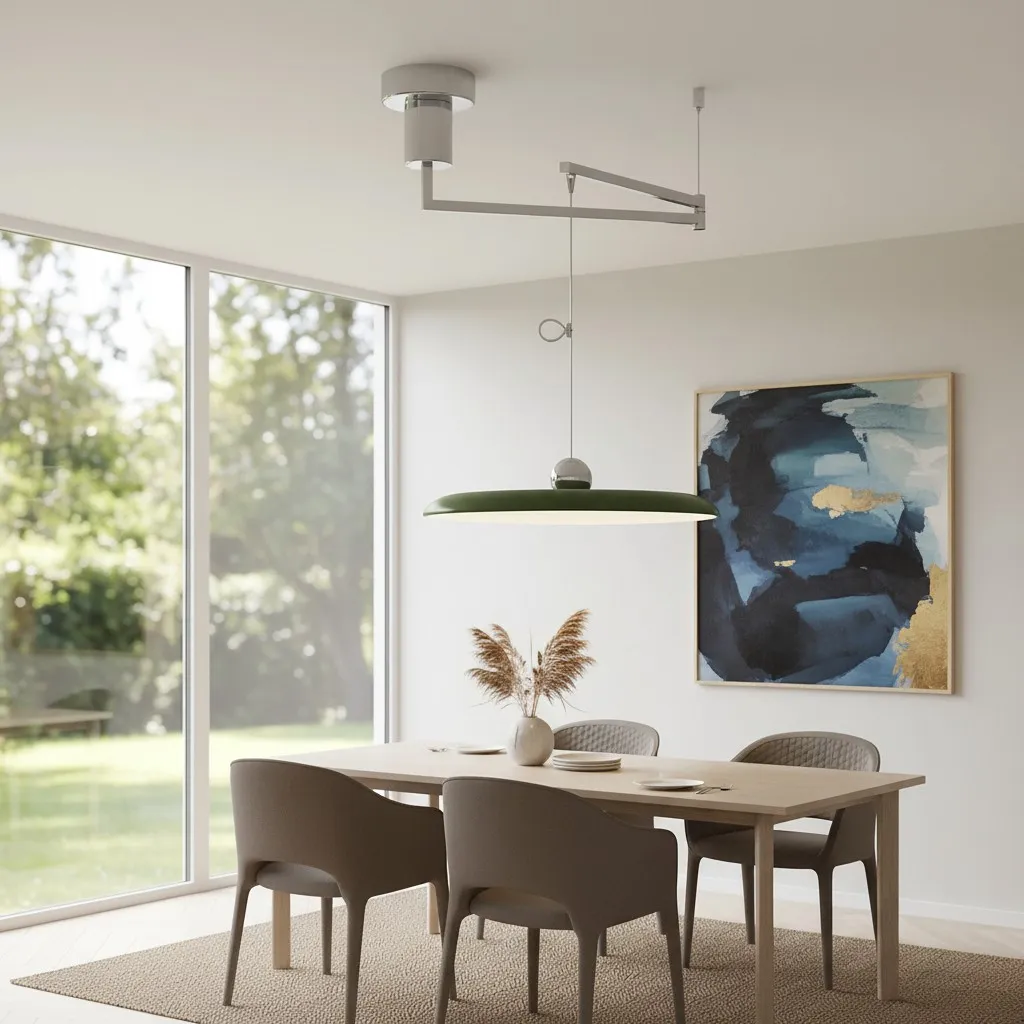
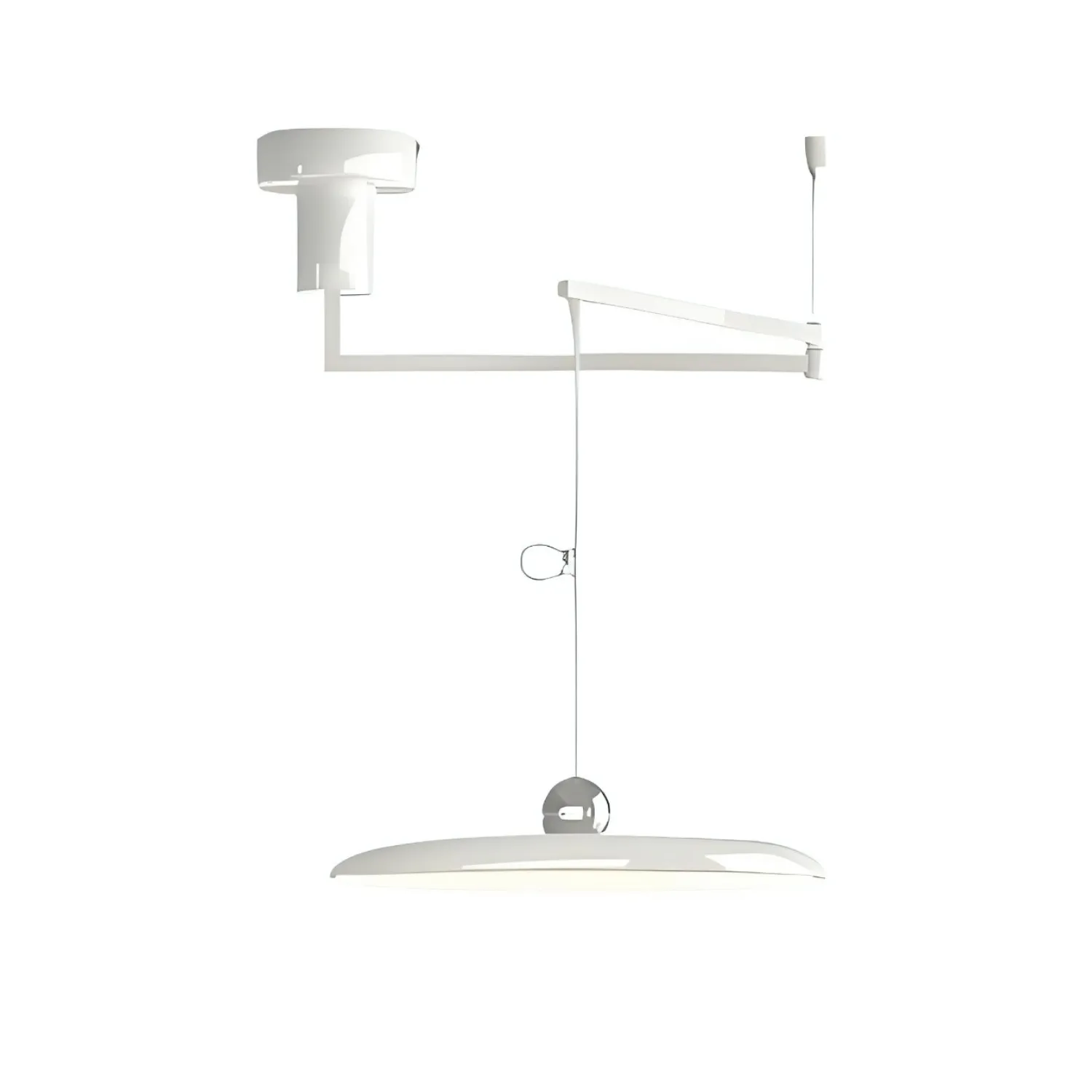
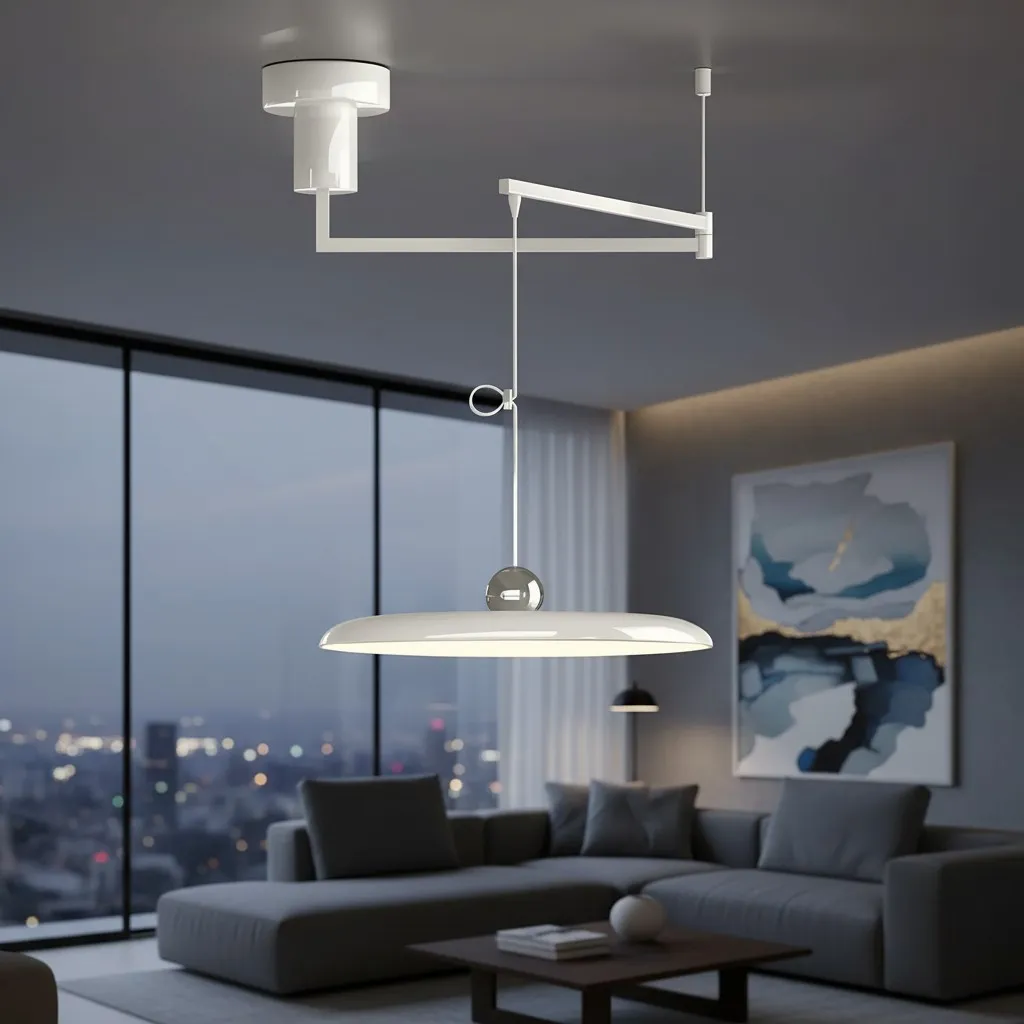
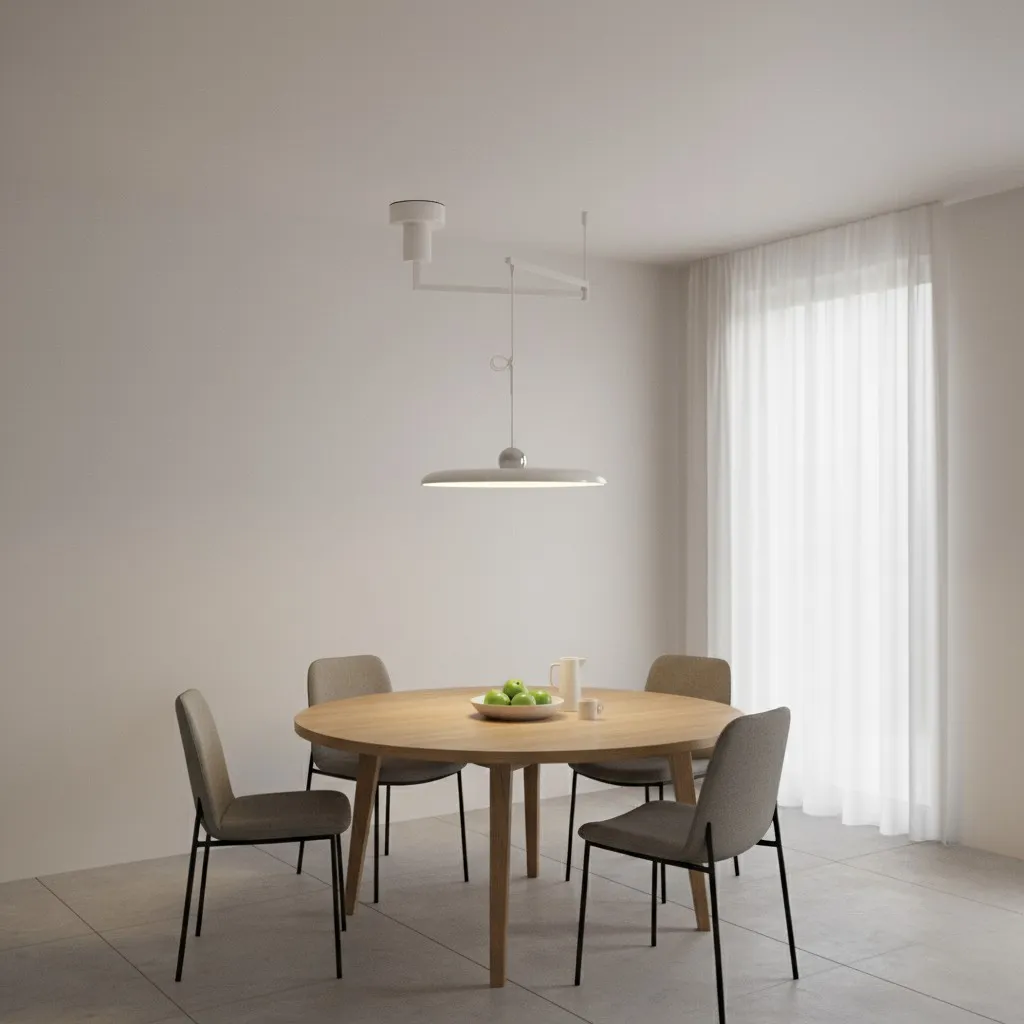
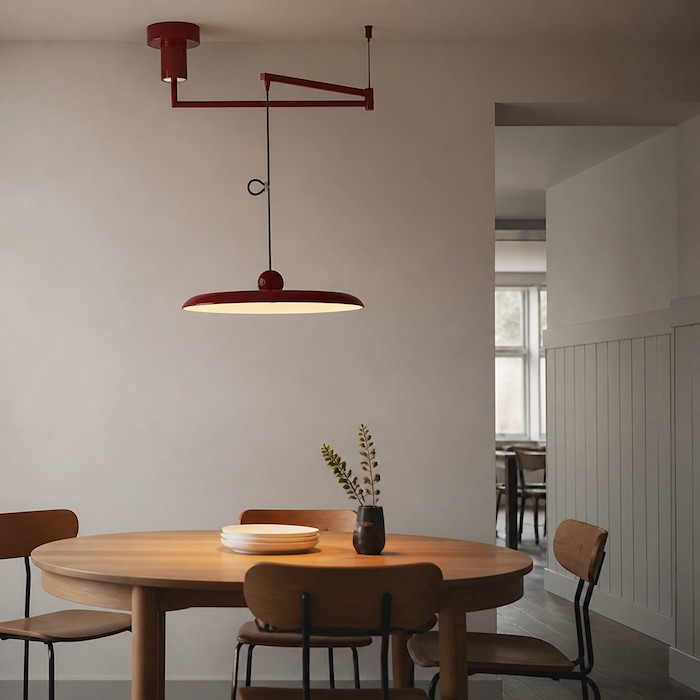
That is why a swing arm disc pendant such as the Swinglo adjustable pendant light is useful in real homes: it separates light placement from the fixed ceiling point, so the table can stay where the room works best.
The Basic Rule: Centre the Light on the Activity, Not Just the Ceiling
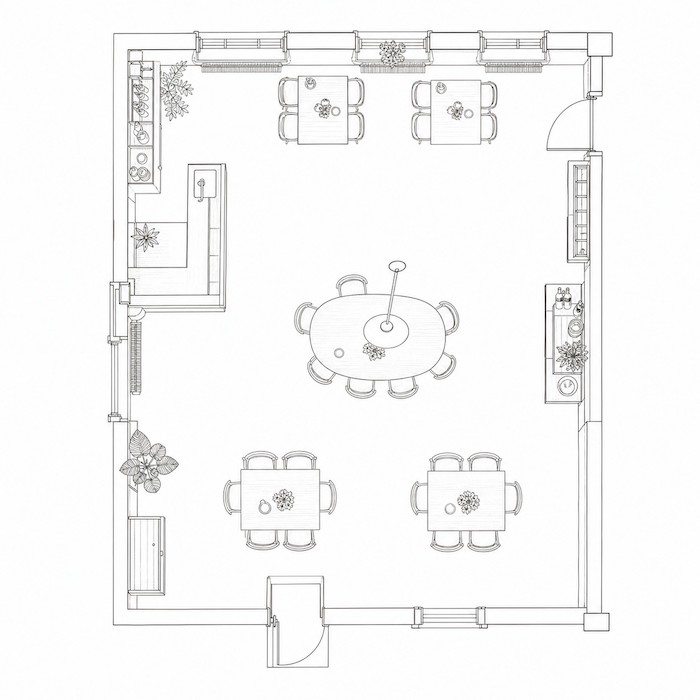
For dining rooms, the useful centre is the place where people sit, eat, share food, and see each other clearly. A ceiling rose may have been installed for an older table, a different room plan, or a generic centre line that no longer matches daily use.
Start by finding the table's best position before thinking about the lamp. Pull out the chairs. Check the walking route to the kitchen. Open nearby cabinets and doors. Leave enough space so people can sit down without squeezing past a wall or sideboard. Then look up and compare that natural table centre with the pendant point.
Height matters too. A common starting range for dining pendants is about 75 to 90 cm above the tabletop, then adjusted for shade size, ceiling height, and glare. The lower edge should frame the table without blocking faces or shining directly into diners' eyes.
A Simple Layout Check Before You Move Anything
- Mark the table centre: use painter's tape on the tabletop or floor so you can see the true dining centre.
- Check chair space: make sure chairs can pull out comfortably on all usable sides.
- Look at the walkway: the table should not block the natural route between kitchen, door, and seating area.
- Compare the ceiling point: if the lamp is only slightly off, an adjustable arm may solve it; if it is far away, rewiring or a new lighting plan may be better.
- Test the view at night: the table should feel warm and centred when the room is actually being used.
When a Fixed Pendant Starts Working Against the Room
A fixed pendant becomes a problem when it makes the furniture feel less natural. You may notice that the table looks right from one angle but sits too close to a wall, a cabinet, or a walkway. In open-plan homes, the ceiling point can also pull the dining zone away from the kitchen or sofa area, making the whole layout feel slightly accidental.
Another sign is uneven atmosphere. If the brightest pool of light lands on one end of the table, the dining area can feel unfinished even when the furniture is beautiful. Guests may gather under the light while the real table centre feels dim, which makes the room feel less welcoming in everyday use.
If you are already comparing fixture types, keep Swing Arm Pendant Lights vs Linear Pendants: Which Creates a More Flexible Dining Space? as the deeper decision guide. This article focuses on why the fixed point feels wrong; that comparison can help decide which flexible fixture shape solves it best.
When to Choose an Adjustable Swing Arm Pendant
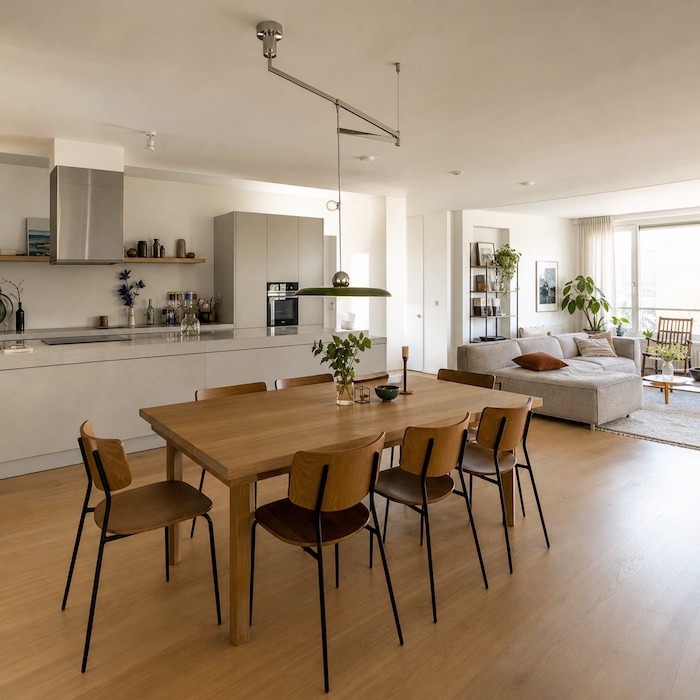
Choose an adjustable swing arm pendant when the furniture layout is mostly right but the light needs to move. This is common in apartments, renovated homes, compact dining corners, and open-plan rooms where the ceiling outlet does not quite match the table's best position.
A swing arm pendant is most helpful when the mismatch is moderate. It can bring the shade and light pool closer to the table centre without making the ceiling look messy. It also helps when the same dining area changes roles during the day, such as breakfast, work, homework, and evening entertaining.
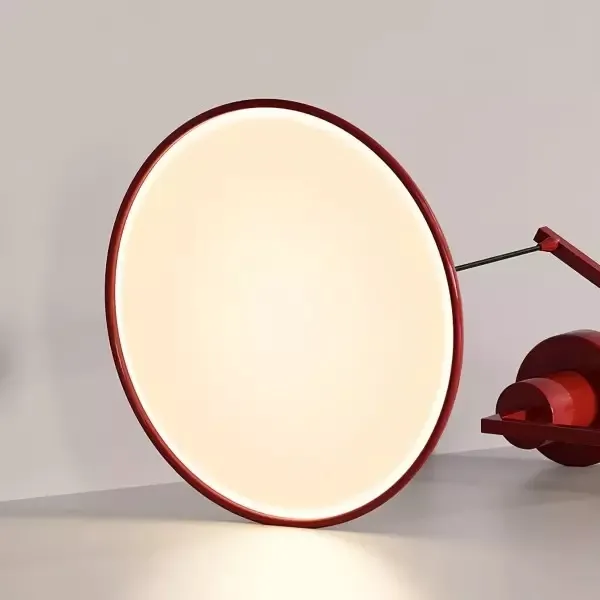
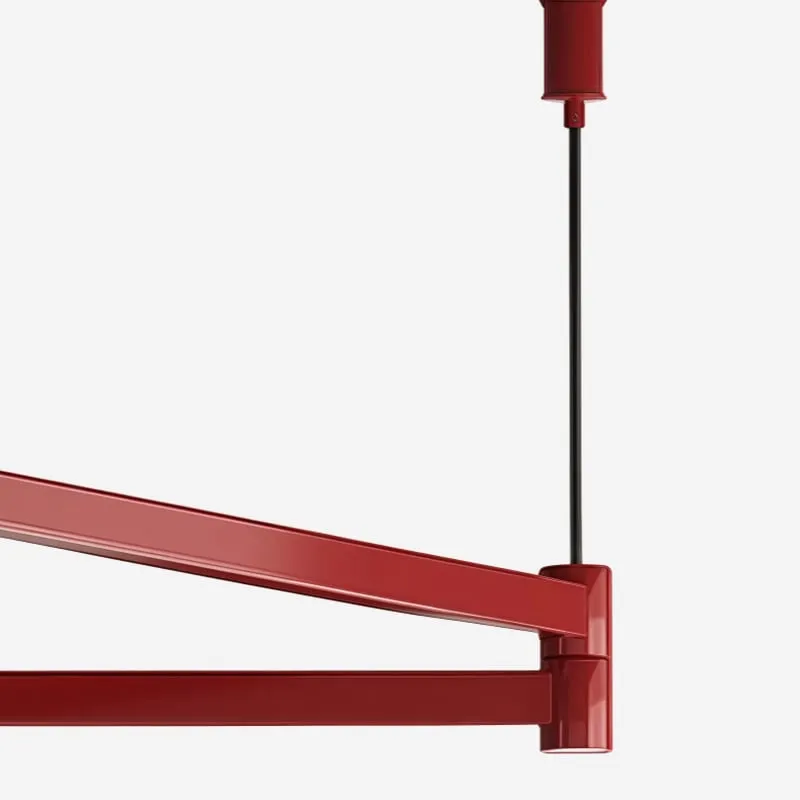
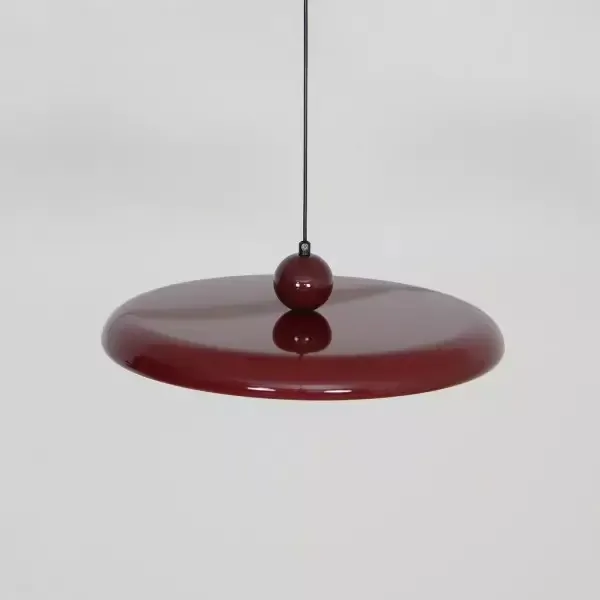
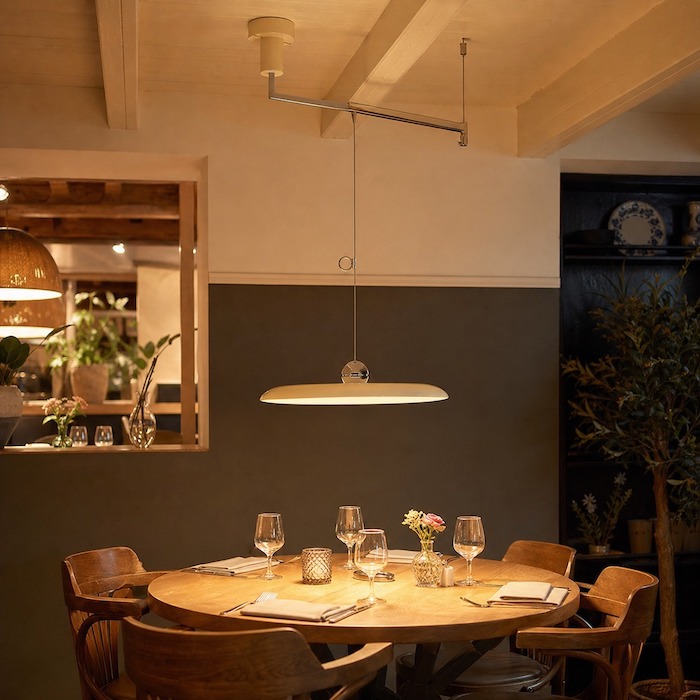
The Swinglo pendant is built for this kind of situation. Its adjustable swing arm helps direct the integrated LED light where it is needed, while the slim disc shade keeps the look minimal. The product page lists metal and acrylic materials, fixed wiring, AC 110-240V, 37W power, and 40 cm or 50 cm diameter options, so it has enough visual presence for a dining area without becoming heavy.
The 50 cm version usually feels better over a wider table or a more open room. The 40 cm version can feel cleaner in compact dining corners, small kitchens, or apartments. Either way, the advantage is flexibility: the light can support the table instead of forcing the table to obey the ceiling.
When to Avoid This Fix
An adjustable pendant is not the answer to every dining-room problem. Avoid it if the ceiling point is very far from the dining zone, if the room needs several separate light sources, or if the table regularly moves across a large area. In those cases, a lighting plan with multiple pendants, ceiling tracks, wall lights, or professional rewiring may make more sense.
Also avoid choosing a swing arm pendant only because it looks interesting. The arm should solve a real placement problem. If your table already sits perfectly below the ceiling point and never moves, a simple fixed pendant may be enough.
Common Mistakes That Keep the Dining Area Feeling Off
The first mistake is centring the table under the pendant before checking the room. The table should support conversation, chair movement, and access, not just the ceiling outlet. The second mistake is choosing a pendant that is visually large but still sends the useful light to the wrong place.
The third mistake is hanging the pendant too low because the room feels dim. Lower is not always warmer; sometimes it simply creates glare. Use warmer bulbs, dimming, or a better light position before dropping the fixture into sightlines.
The fourth mistake is ignoring how the dining space changes through the day. If the same table is used for meals, laptops, homework, and guests, flexibility matters more than a perfect showroom centre line.
That is where the next article, How One Pendant Light Can Adapt to Dining, Working and Entertaining Throughout the Day, should continue the topic. It can focus on daily scenarios rather than the fixed-ceiling problem itself.
Quick Decision Guide
- Table feels good, light is slightly off: consider an adjustable swing arm pendant.
- Table feels cramped because of the lamp: reposition the table first, then solve the light.
- Ceiling point is far from the table: ask an electrician about rewiring or a new ceiling plan.
- Long rectangular table: compare a swing arm pendant with a linear pendant before buying.
- Small dining corner: choose a clean, compact pendant that does not crowd the room visually.
Recommended Product for Flexible Dining Layouts
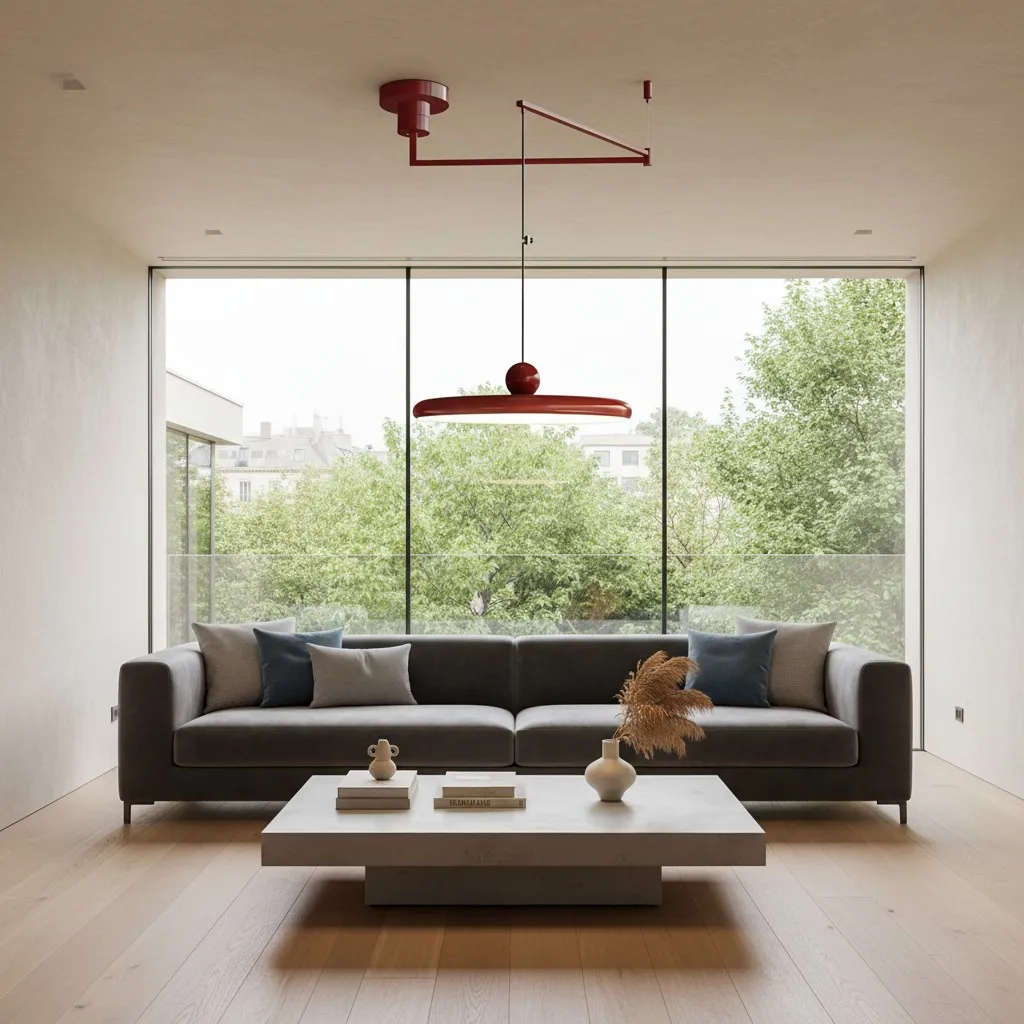
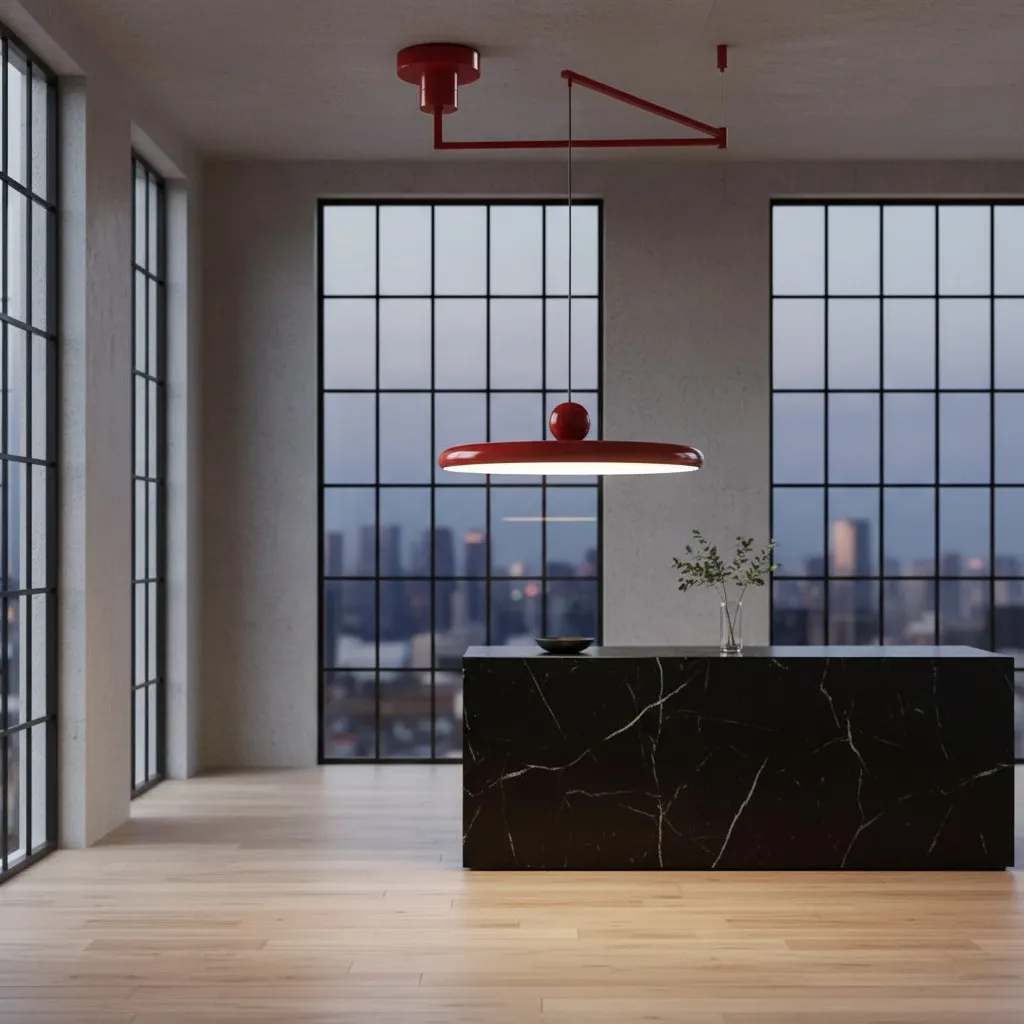
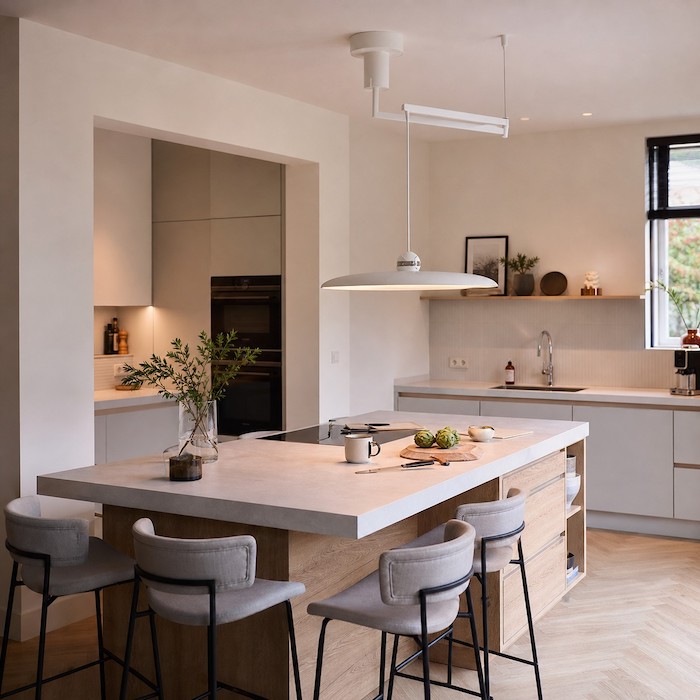
If your dining table is nearly right but the light keeps pulling it out of place, the Swinglo modern adjustable swing arm disc pendant light is a practical product to consider. It is especially suitable for dining tables, kitchen islands, and living spaces where the furniture arrangement may shift over time.
Its slim disc form suits minimalist, Scandinavian, and contemporary rooms. The adjustable arm is the important part: it gives the light permission to move with the way you live. For homes where the table does not want to sit exactly below the ceiling point, that flexibility can make the whole dining zone feel calmer.
FAQ
Should a pendant light be centred over the dining table or the room?
For dining comfort, centre the pendant over the dining table or the main eating area, not just the room. A room-centred pendant can look wrong if the table needs to sit elsewhere for chair clearance or traffic flow.
Why does my dining table look off under my pendant light?
The ceiling point may not match the best furniture layout. This often happens after changing table size, moving into an older home, or using an open-plan room in a different way than the original electrical layout expected.
Can an adjustable pendant fix an off-centre dining table?
Yes, if the mismatch is moderate. A swing arm pendant can shift the light pool toward the table centre without moving the furniture or immediately rewiring the ceiling.
How high should a dining pendant hang above a table?
A common starting range is about 75 to 90 cm above the tabletop. Adjust for ceiling height, shade size, glare, and whether diners can see each other comfortably across the table.
How wide should a dining pendant be?
The pendant should feel proportional to the table without overpowering it. For compact dining corners, a 40 cm disc can look cleaner. For wider tables or open rooms, a 50 cm disc often gives better presence.
Do I need to rewire an off-centre dining pendant?
Not always. If the light only needs to move slightly, an adjustable pendant may solve the problem. If the ceiling point is far from the dining zone, professional rewiring or a different ceiling lighting plan is usually better.
Does a swing arm pendant work over a kitchen island?
Yes, especially when the island is used for several tasks, such as food prep, casual dining, homework, and conversation. The adjustable arm helps the light follow the active part of the island.
Is a swing arm pendant better than a linear pendant?
It depends on the table and room. A swing arm pendant is useful when the light point needs flexibility. A linear pendant can be better over a long rectangular table that needs even coverage from end to end.