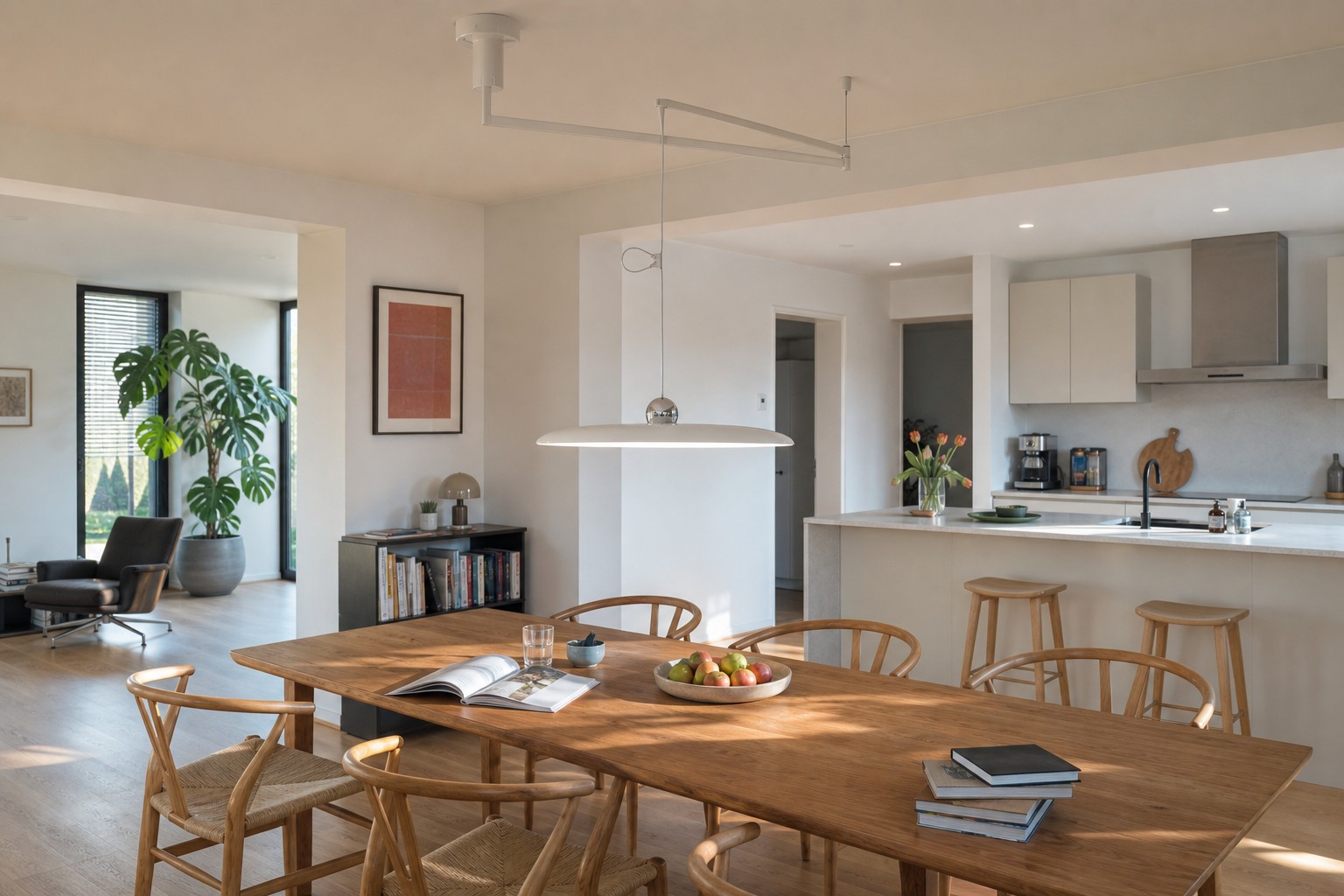
Flexible pendant lighting ideas
How One Pendant Light Can Adapt to Dining, Working, and Entertaining All Day
A dining area rarely does only one job now. It may host breakfast, laptop work, homework, food prep, long dinners, and weekend drinks. One adjustable pendant light can support those changes by moving with the activity.
Why This Space Is Difficult to Light
The challenge is not simply brightness. The same table or island changes purpose through the day: coffee and quick meals in the morning, laptop work in the afternoon, and softer dining light at night.
A fixed pendant makes this harder because the light always falls in the same place. If the table shifts, extends, or becomes a work surface, the beam may no longer support the activity. That is why the layout problem discussed in Why Your Dining Table Never Feels in the Right Place Under a Fixed Pendant Light matters so much.
The Best Strategy: Let the Light Follow the Task
Flexible lighting works best when you begin with the day's activities. Ask where people sit, where plates are placed, where a laptop opens, and where guests naturally gather. Then place the light where it helps those moments feel intentional.
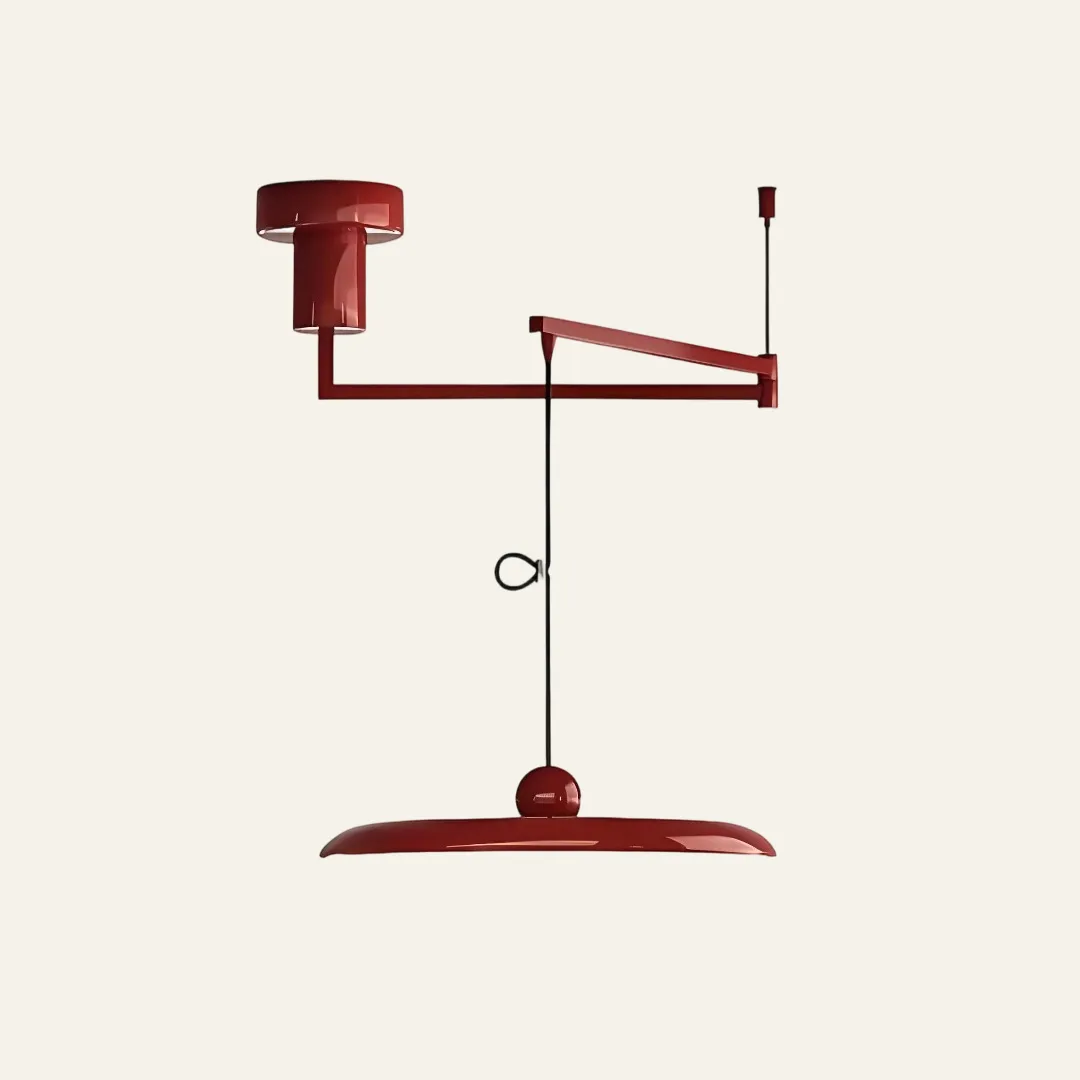
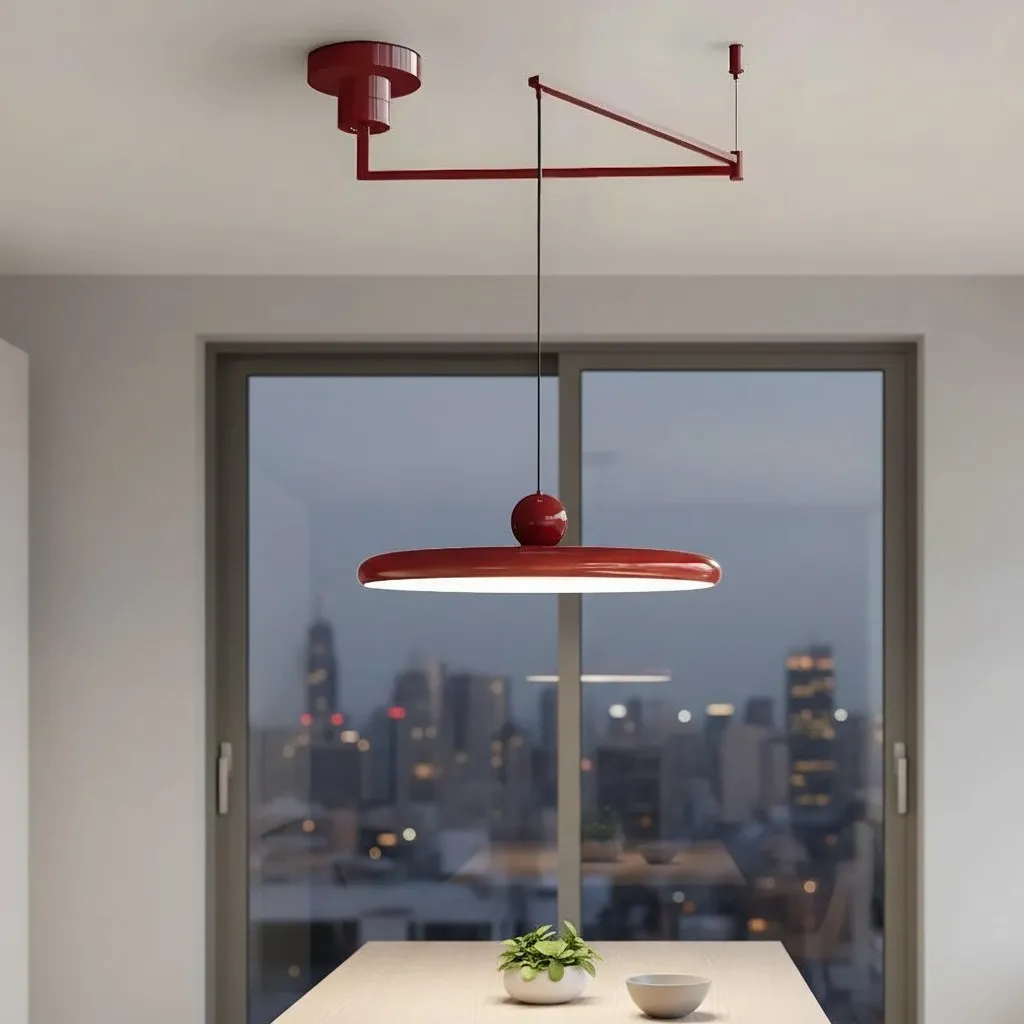
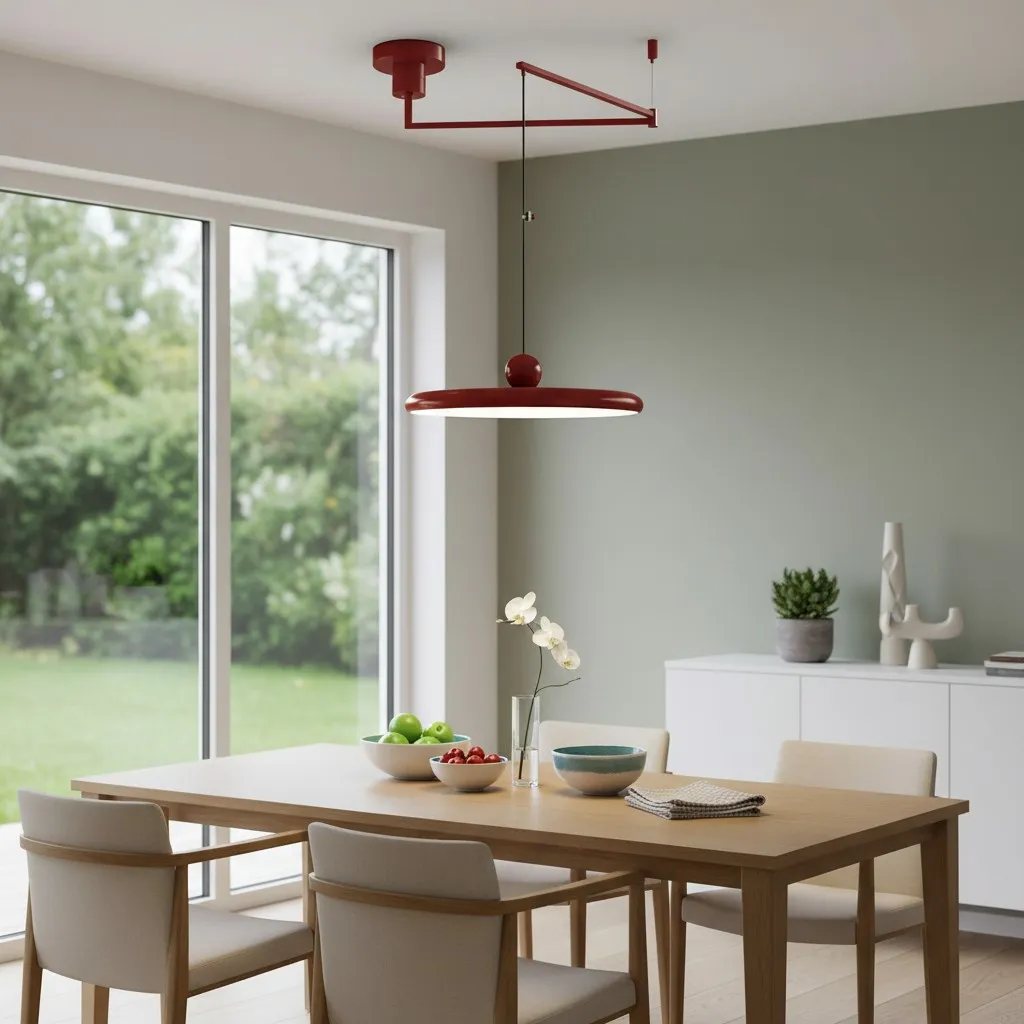
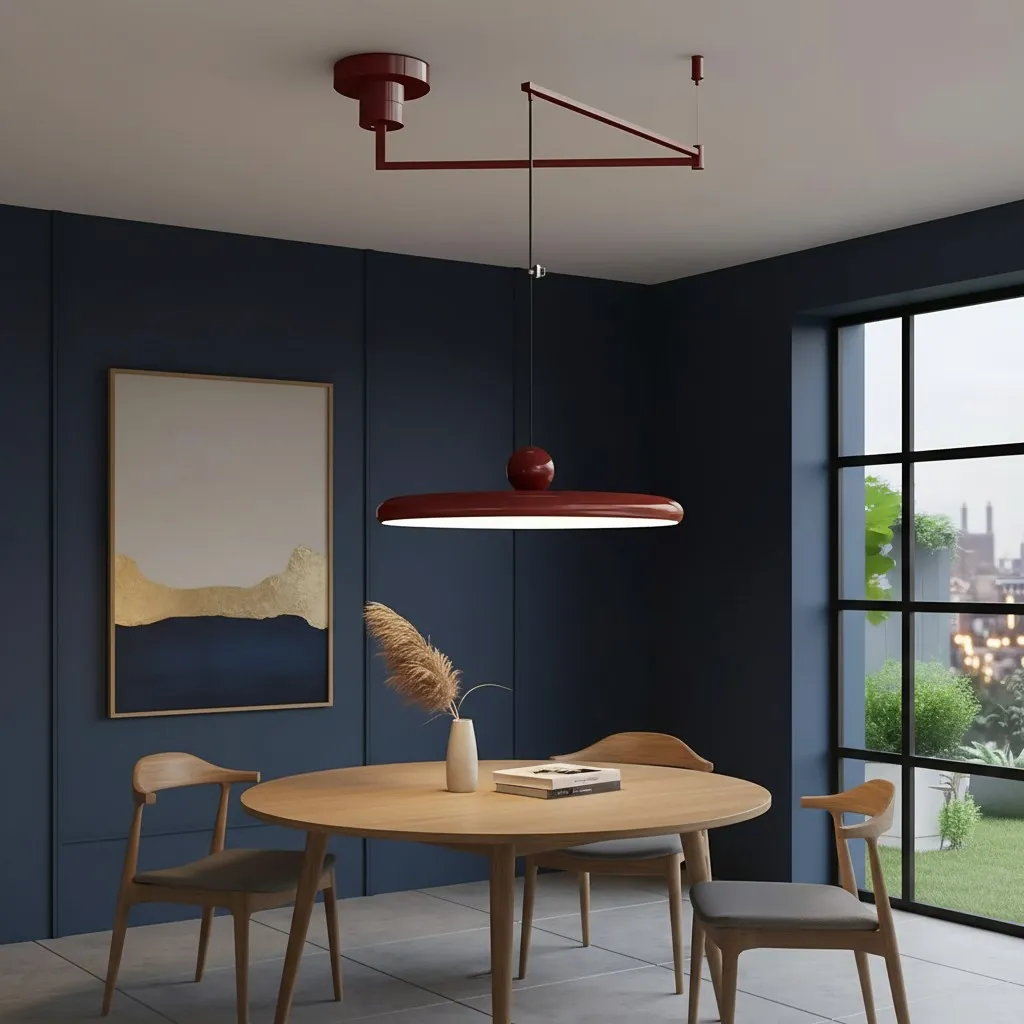
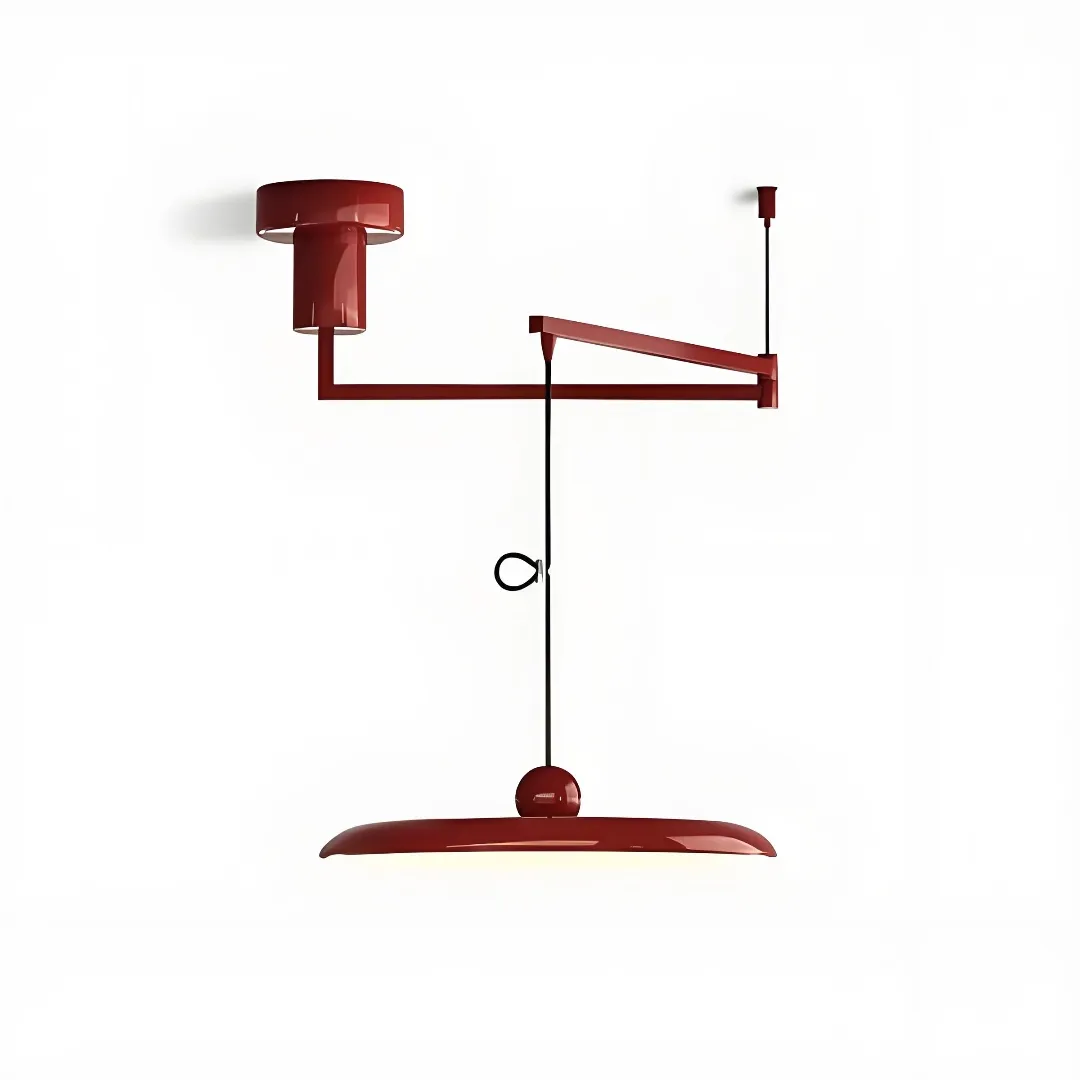
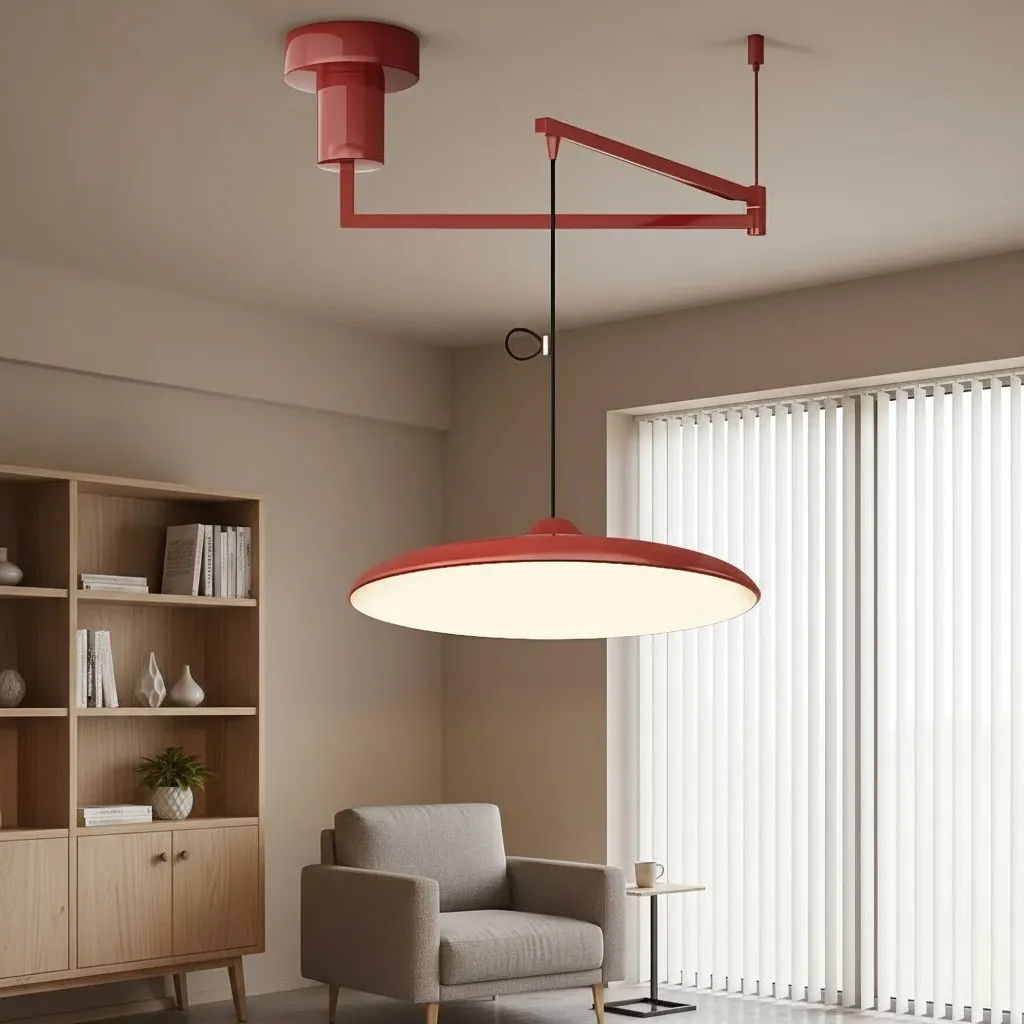
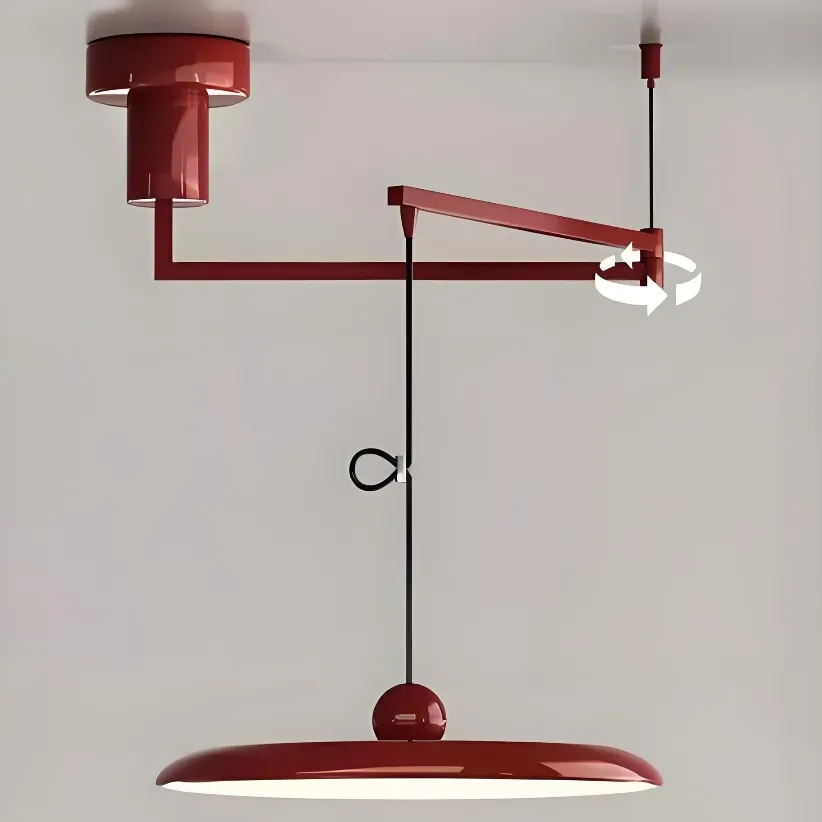
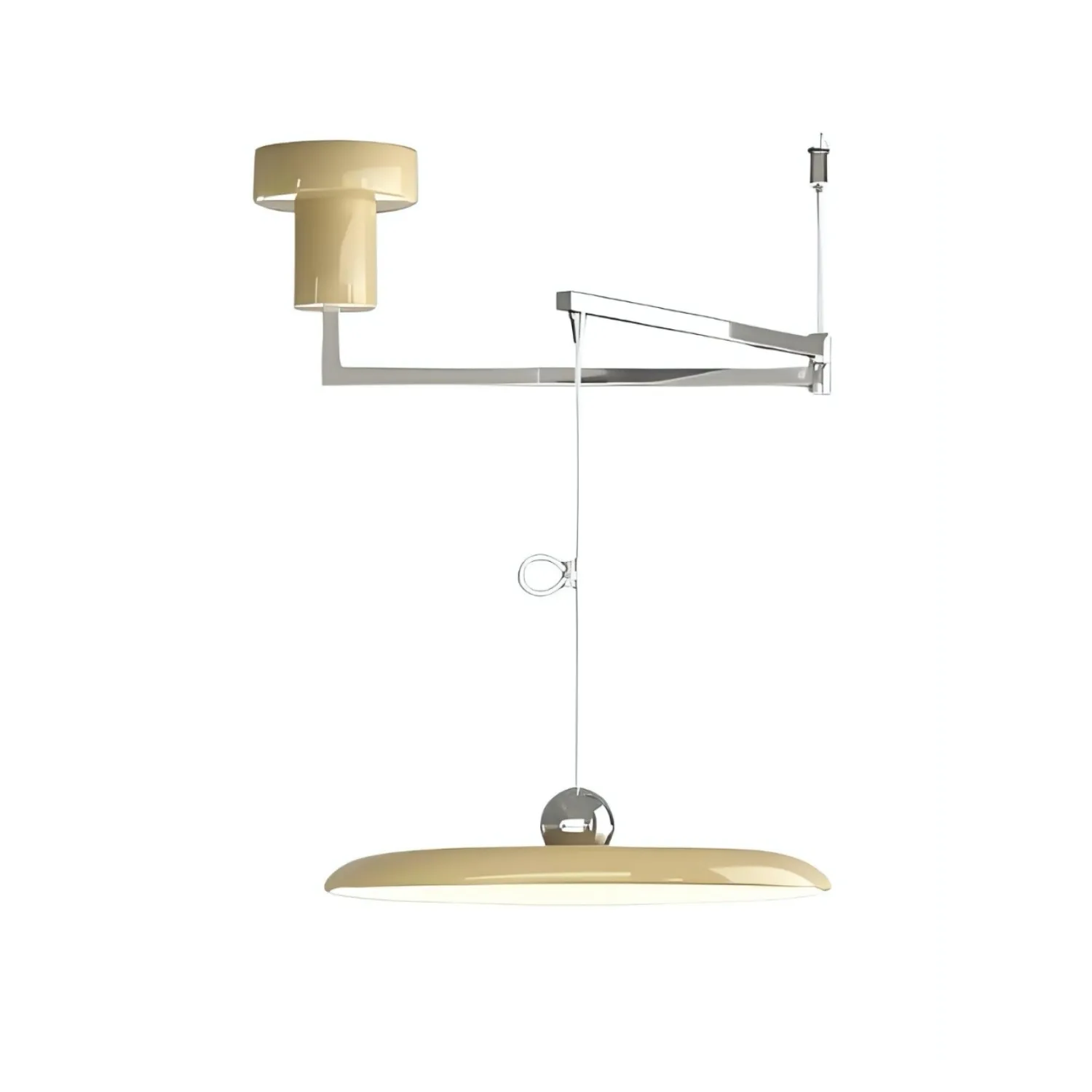
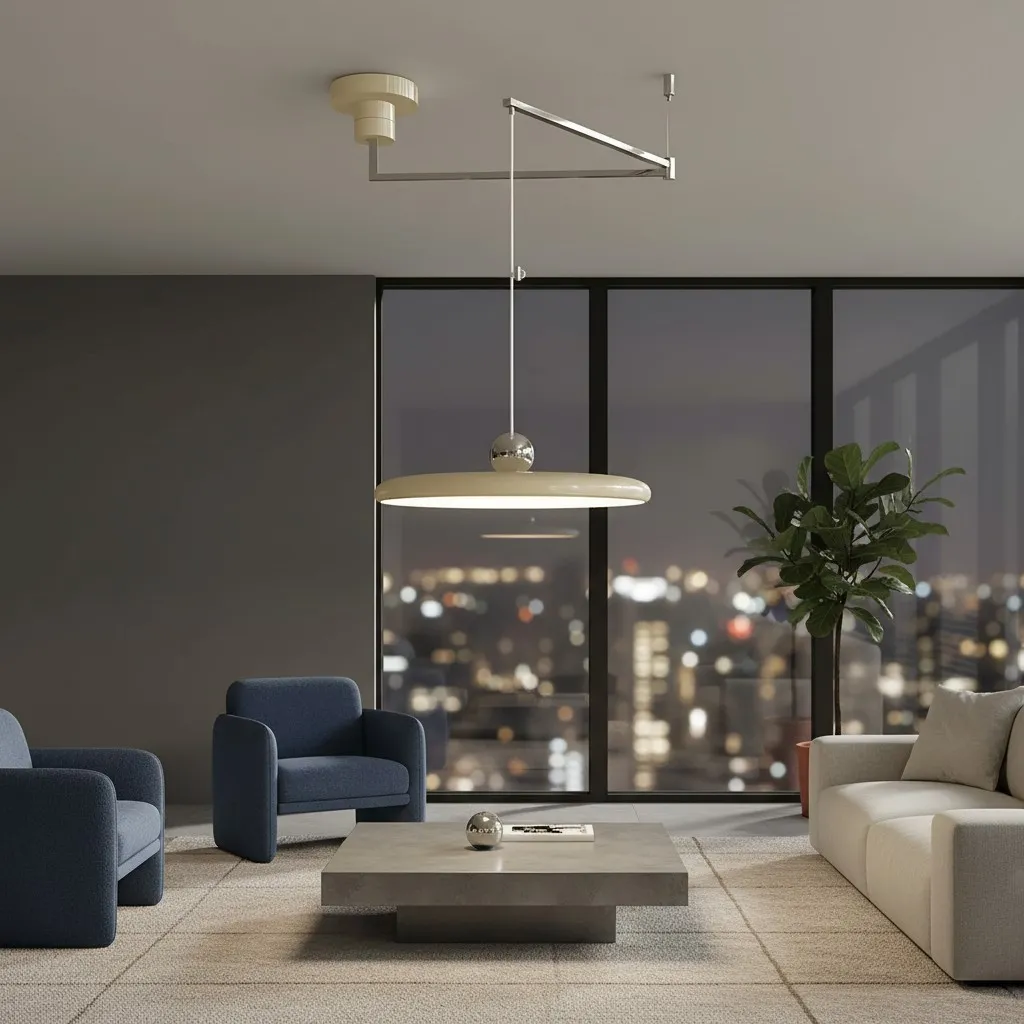
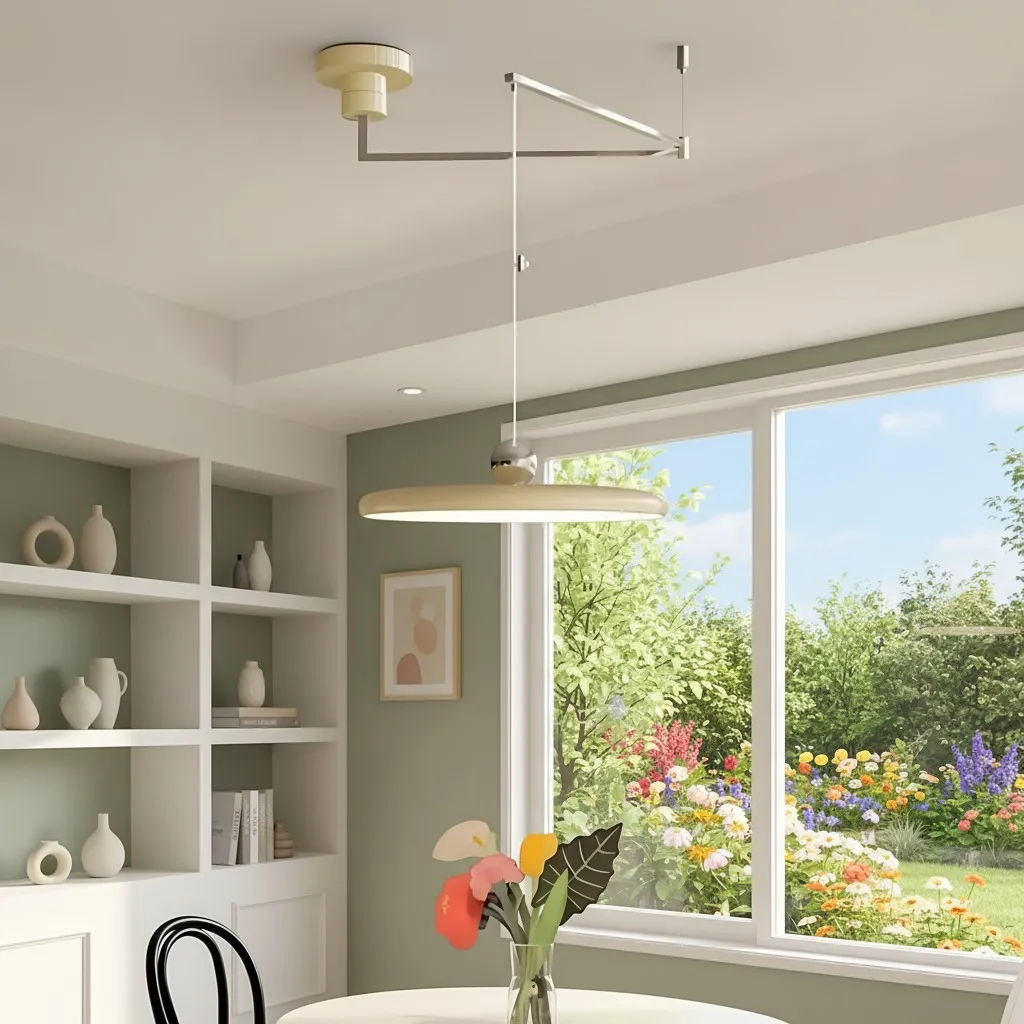
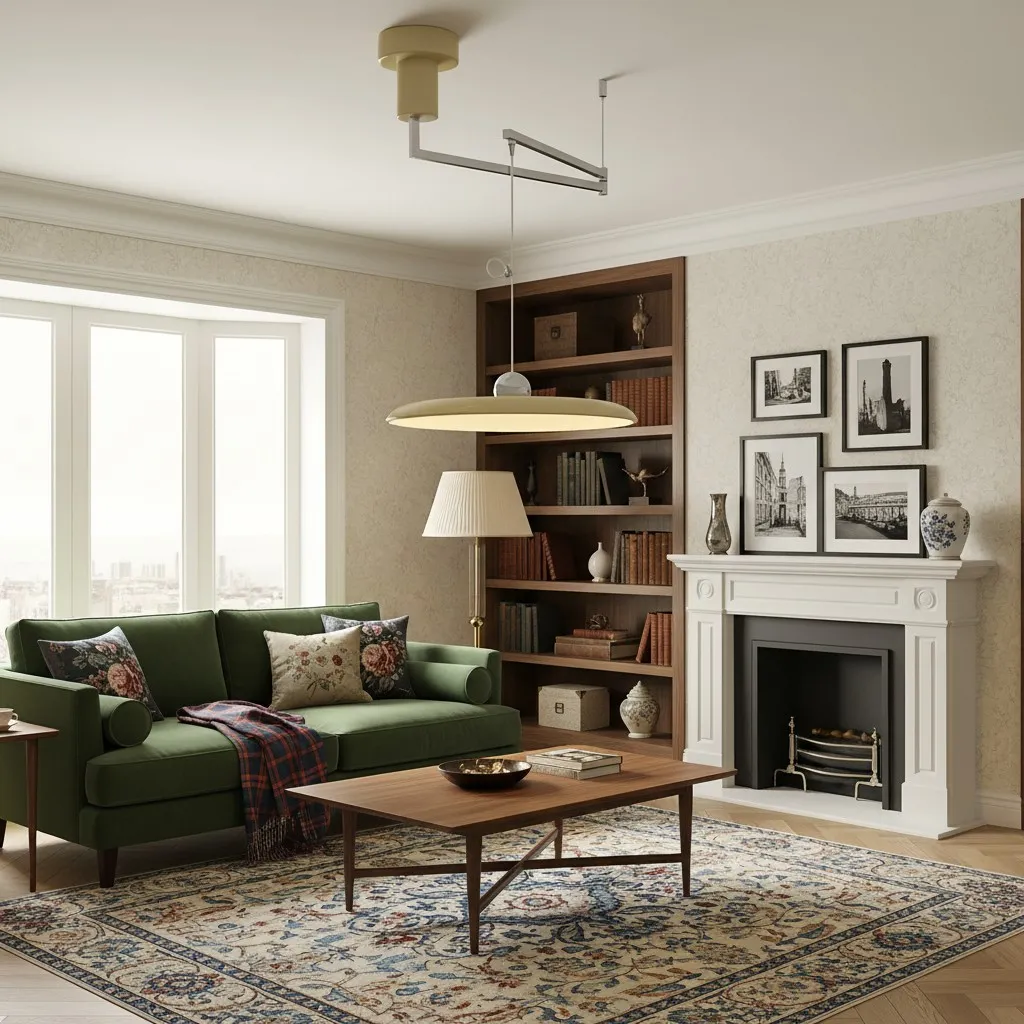
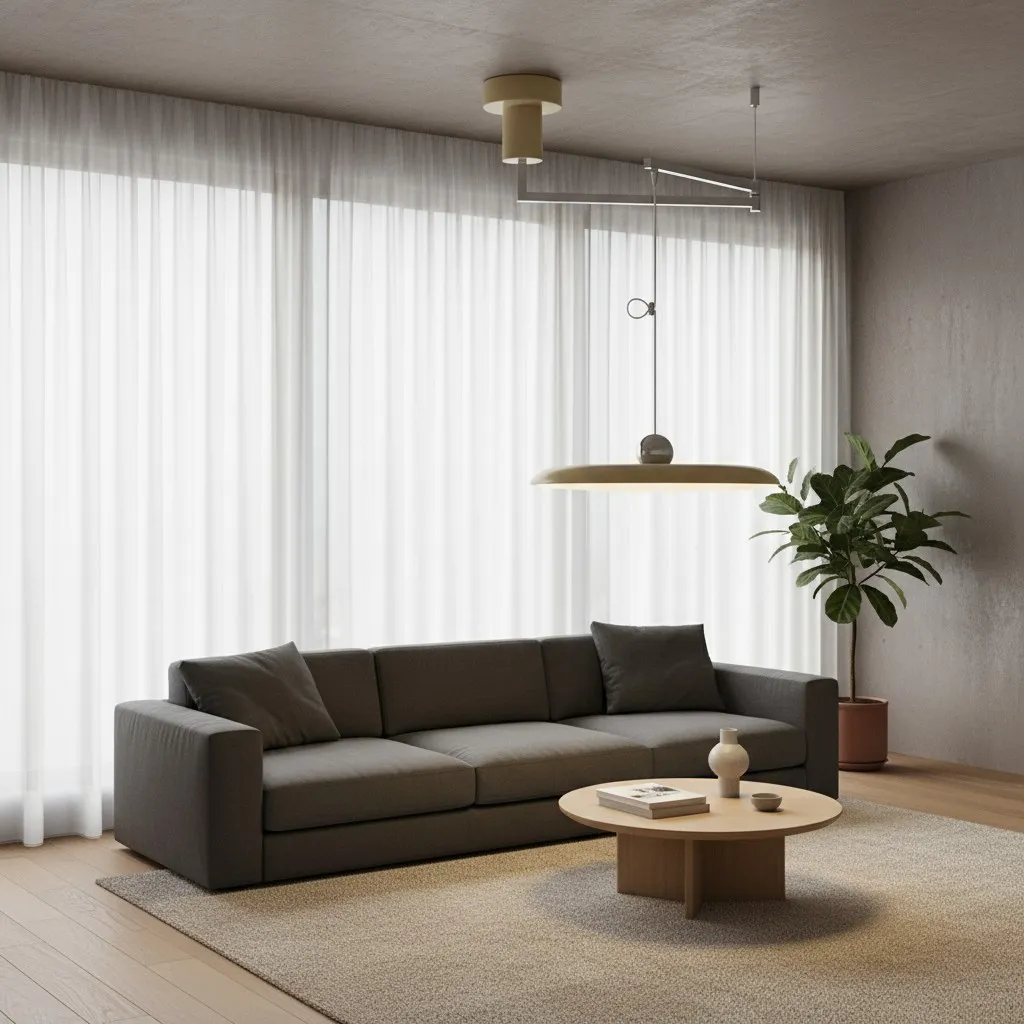
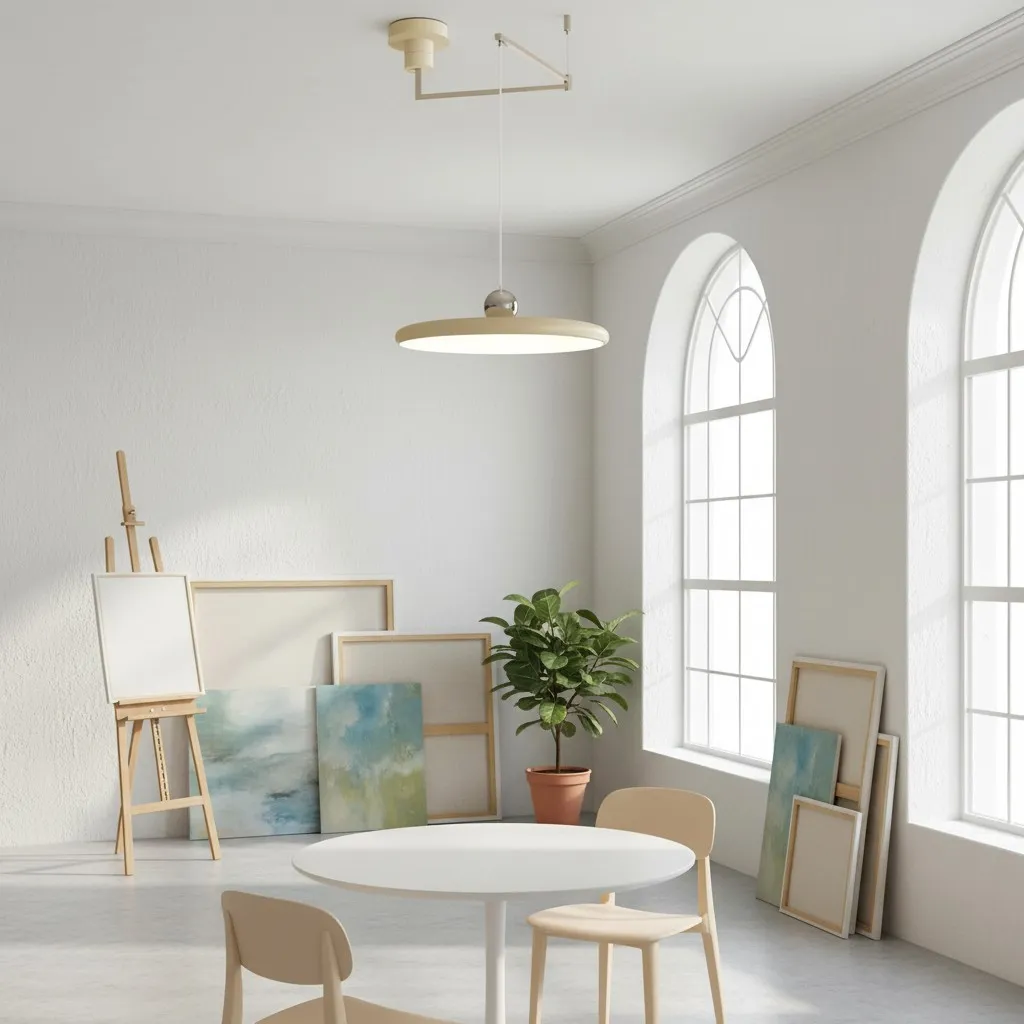
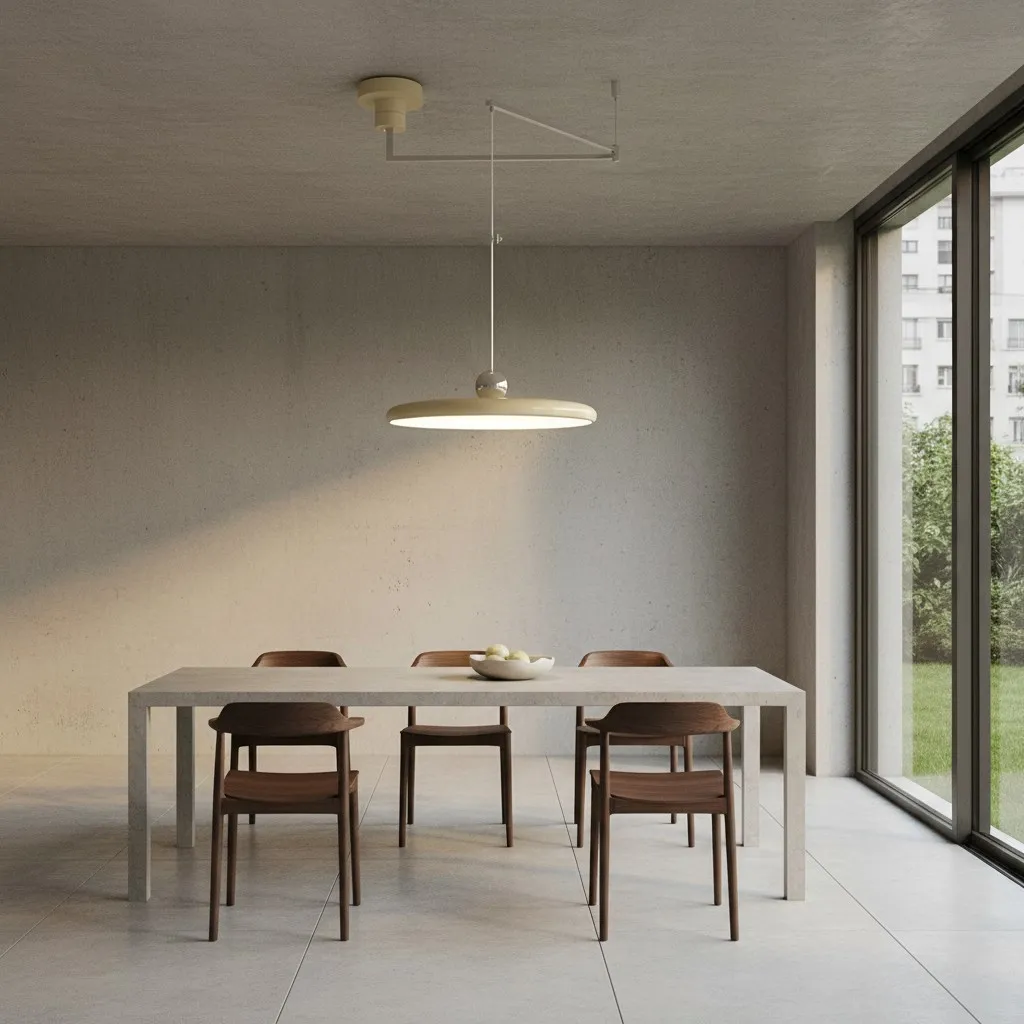
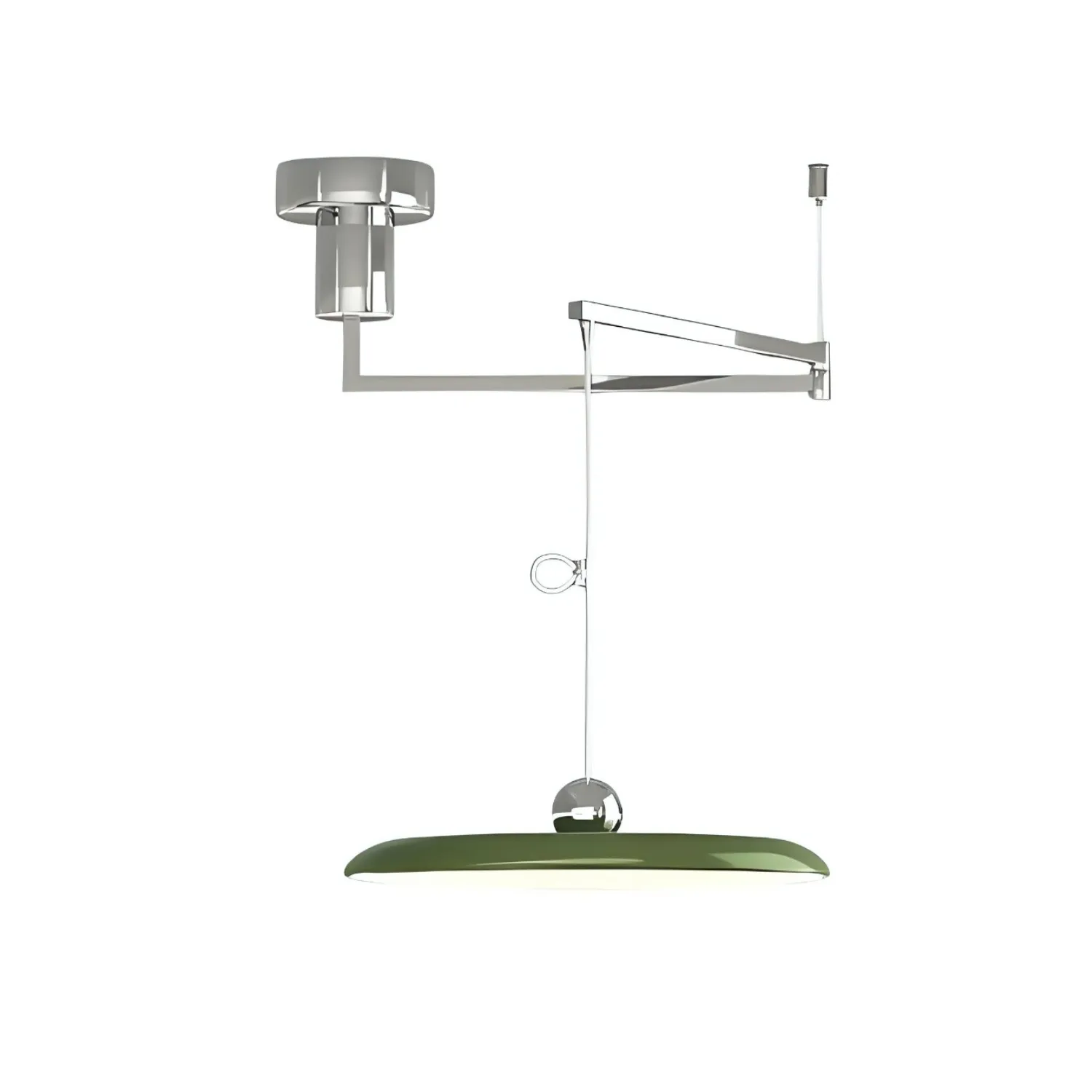
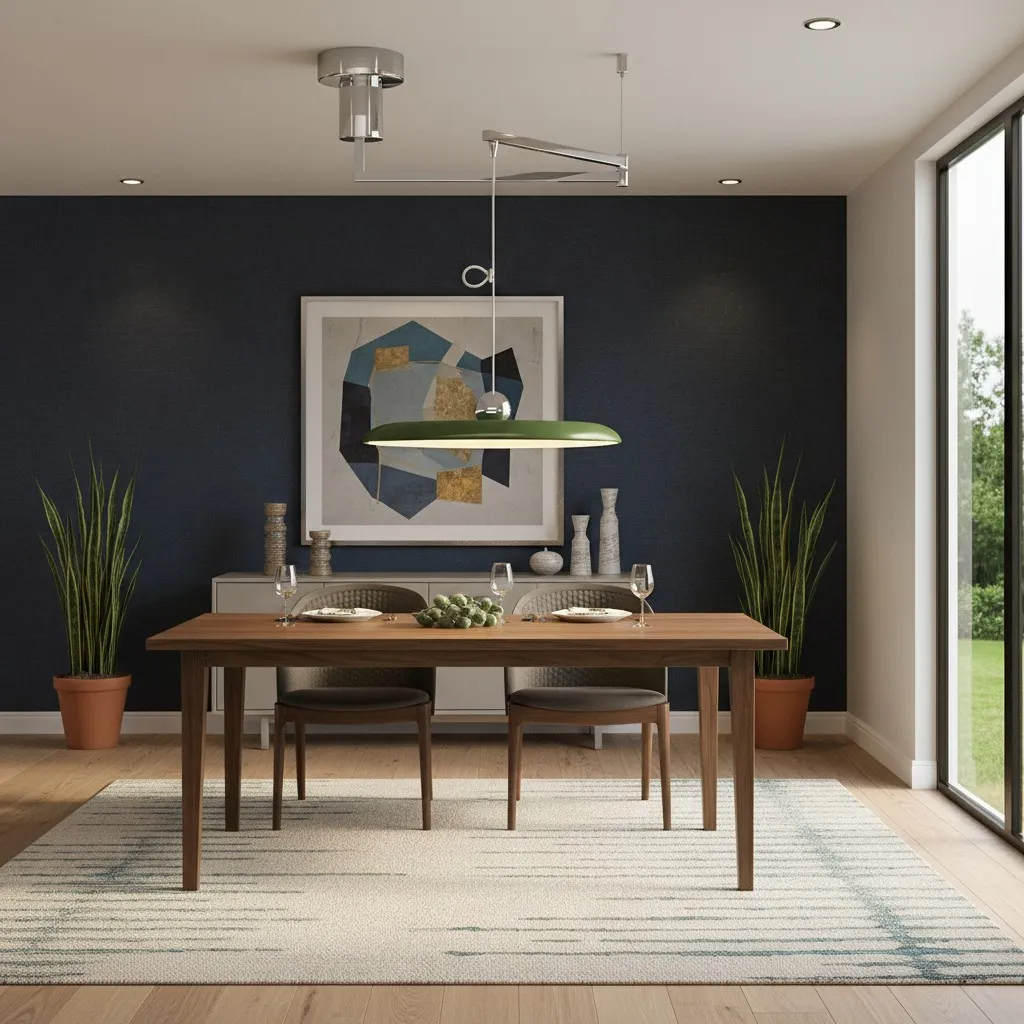
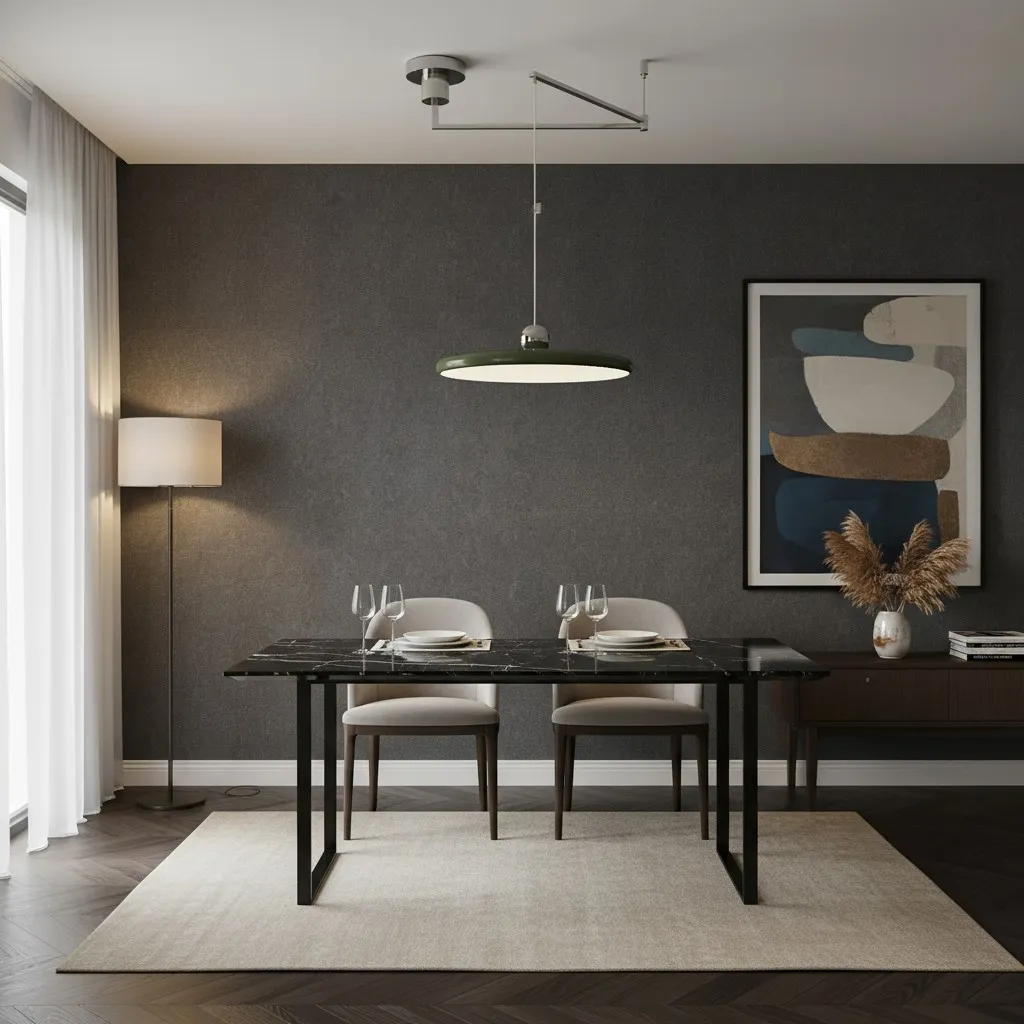
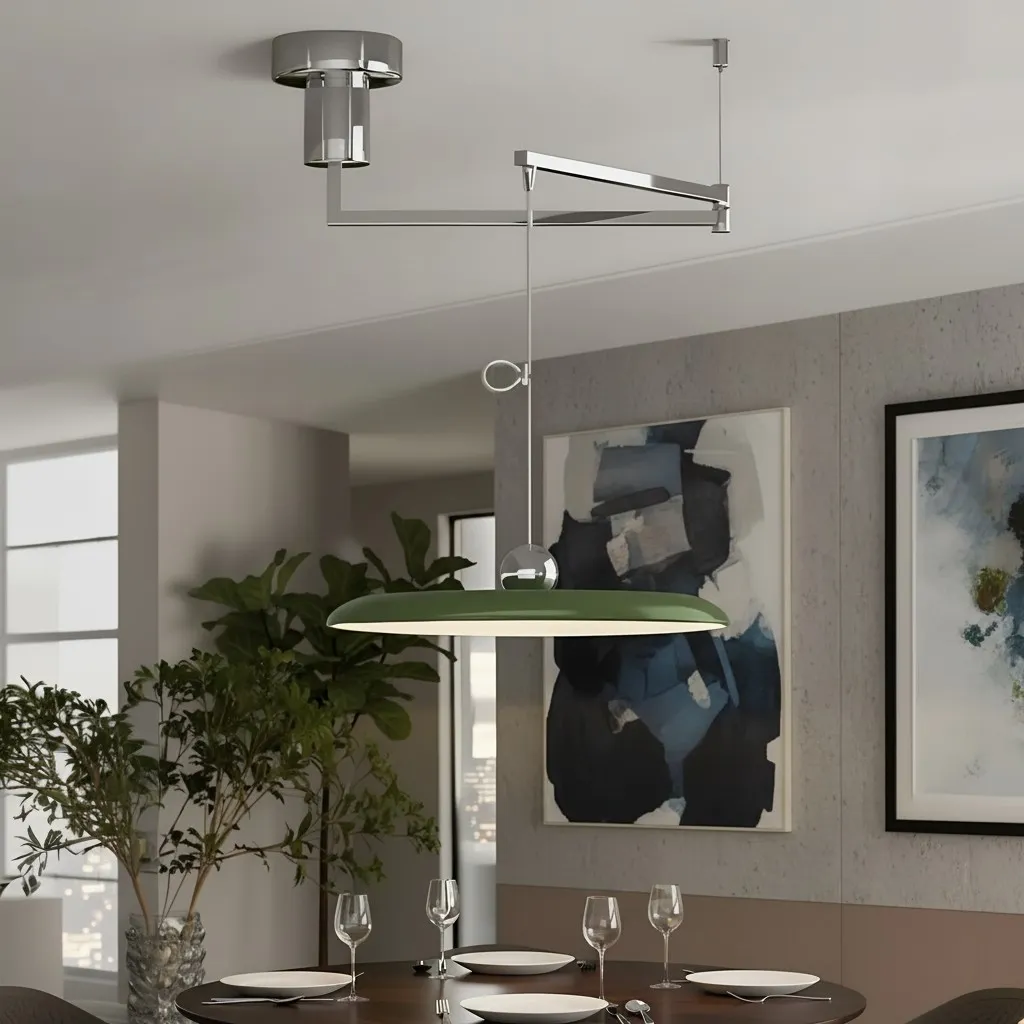
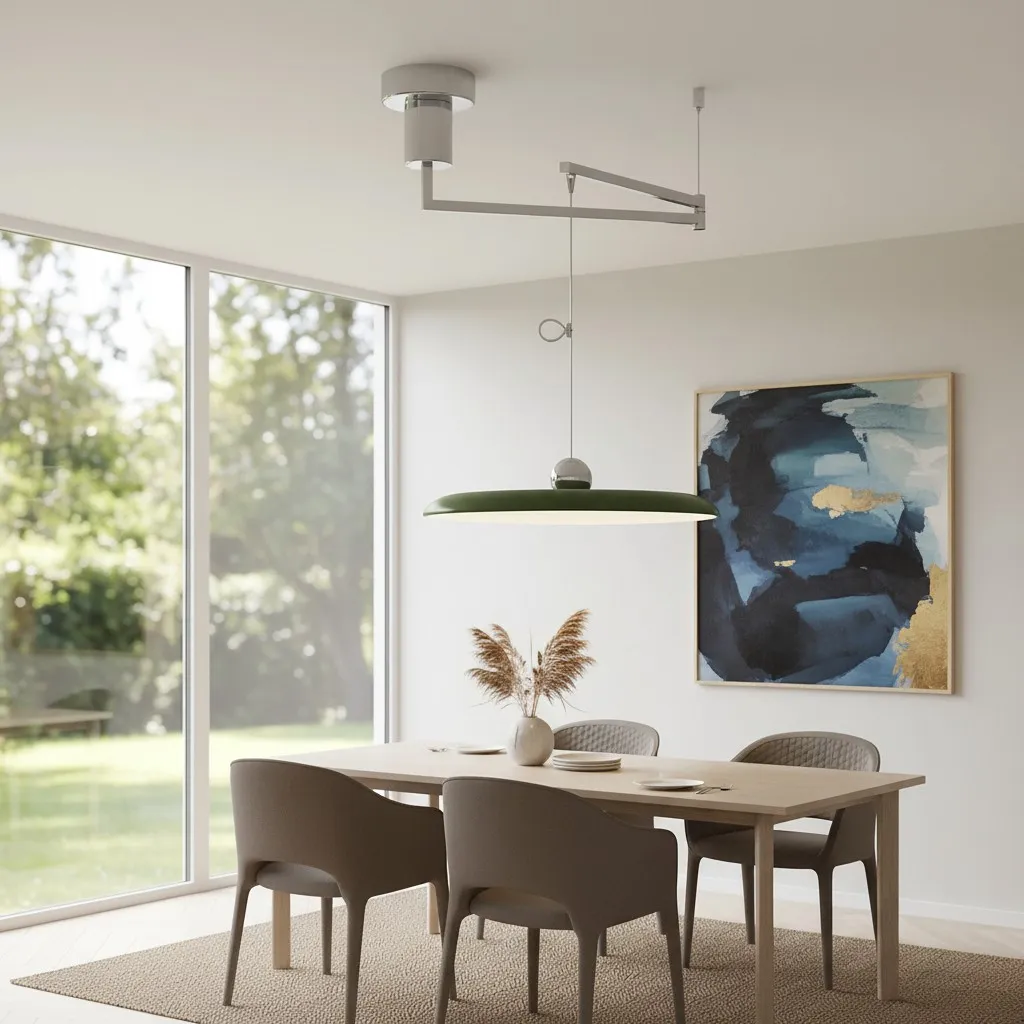
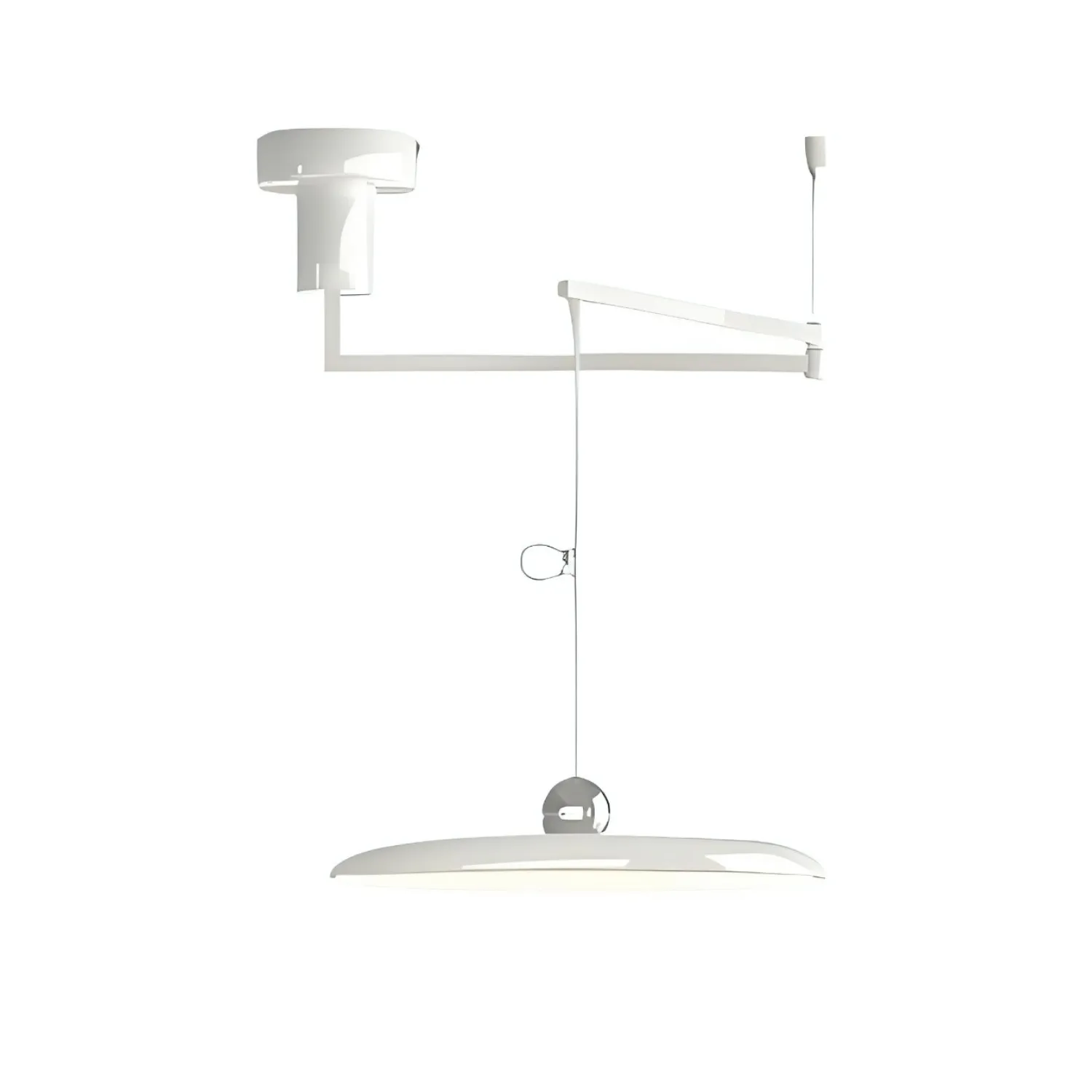
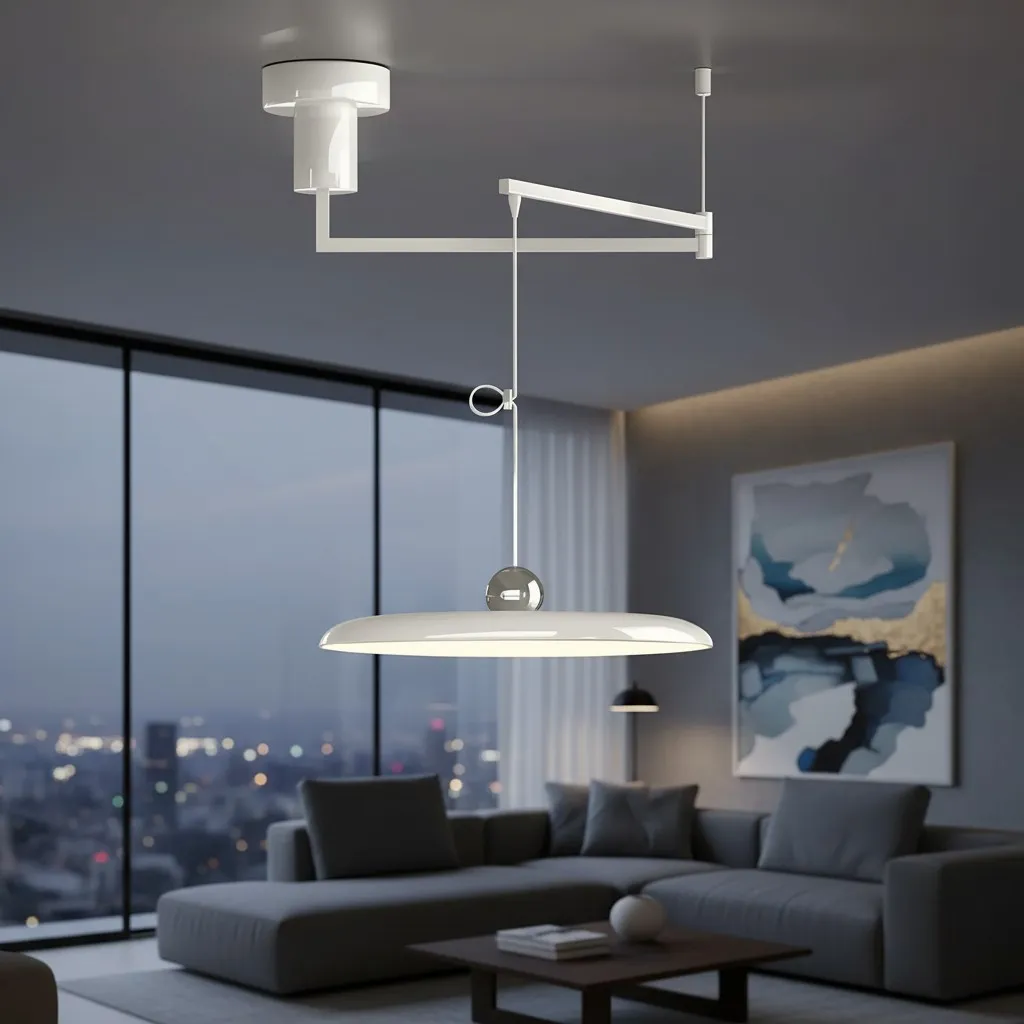
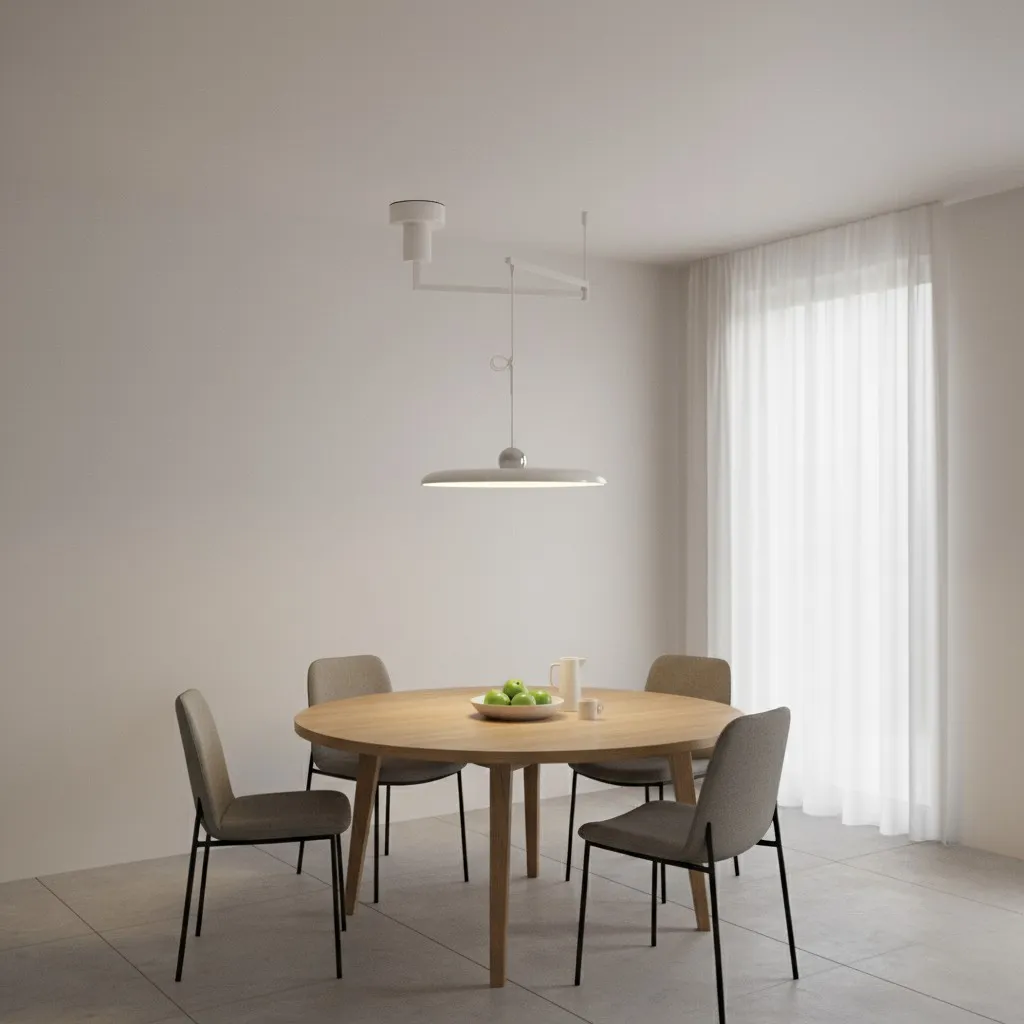
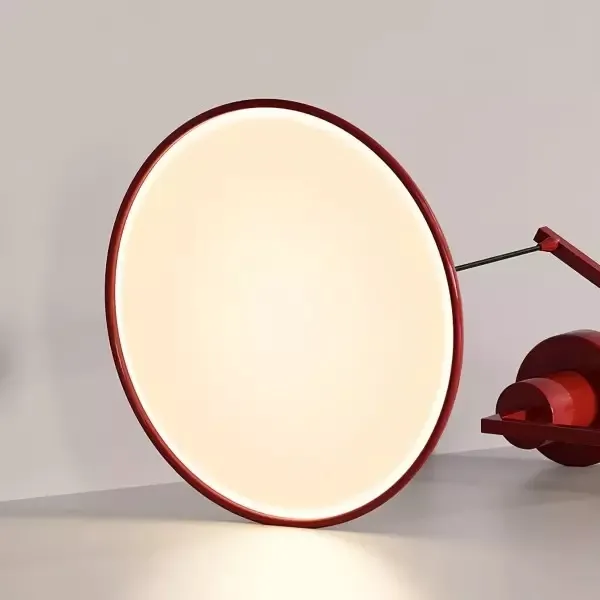
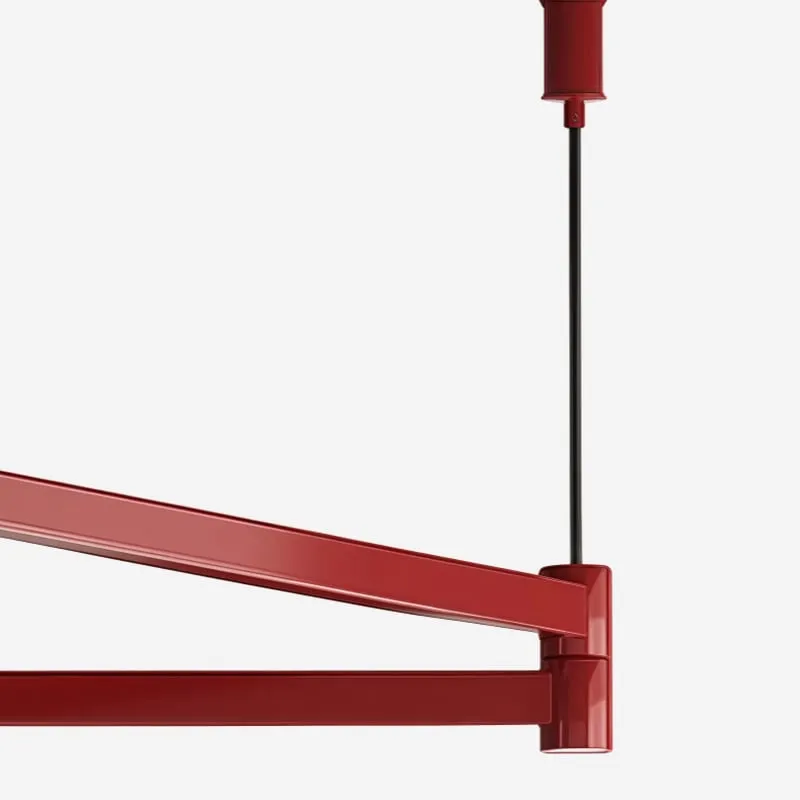
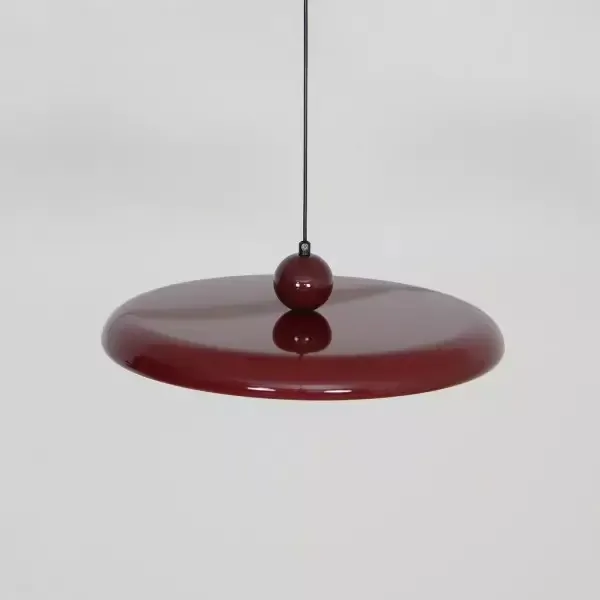
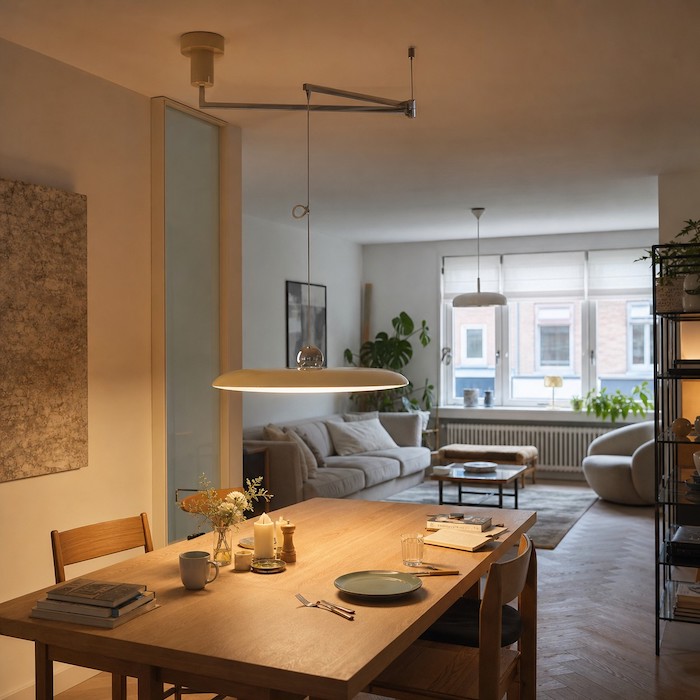
The Swinglo adjustable swing arm disc pendant light is designed for this kind of use. Its adjustable arm can bring light closer to the activity zone, while the slim disc shade keeps the room clean and modern. The product page lists integrated LED, metal and acrylic materials, fixed wiring, 37W power, and 40 cm or 50 cm diameter options.
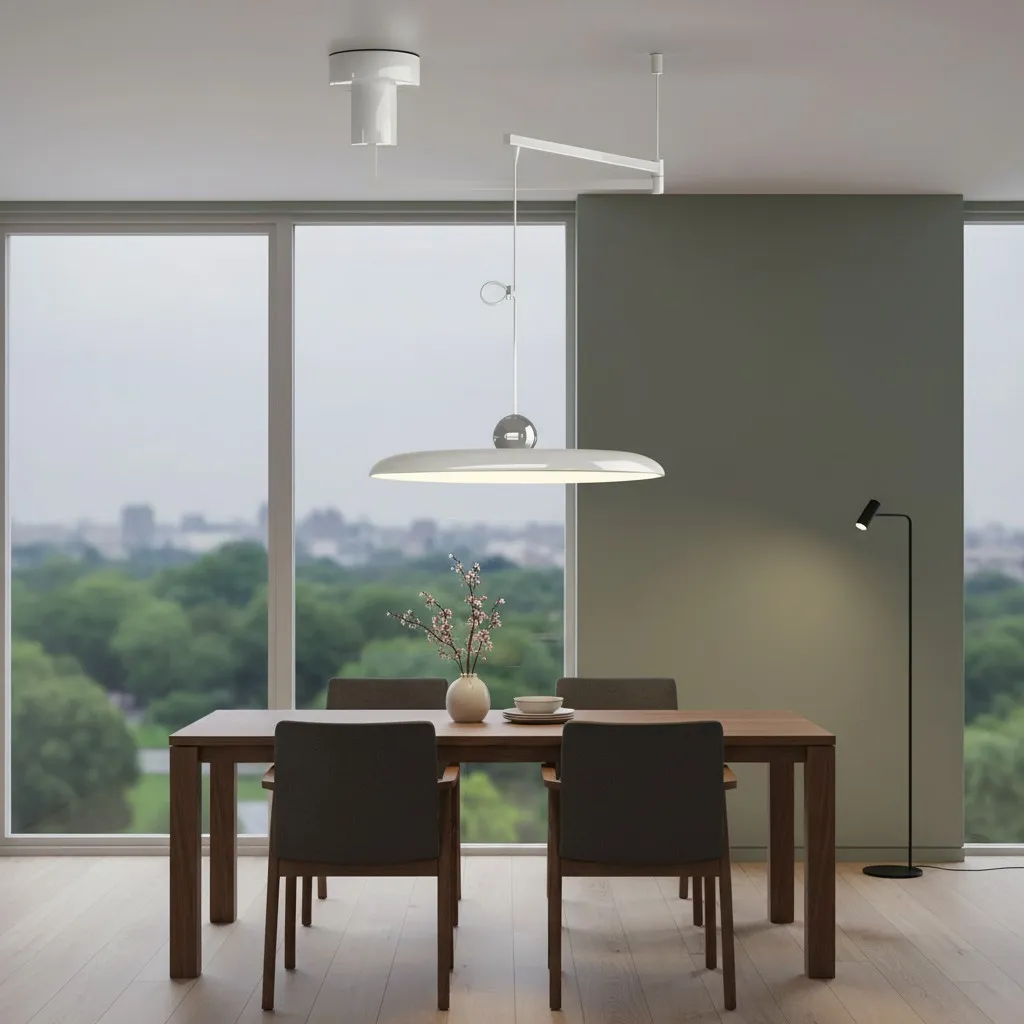
As a starting point, many dining pendants sit about 75 to 90 cm above the tabletop. Also check horizontal reach so the shade can support the table or island without blocking views, cabinet doors, or walking paths.
Morning: Make Breakfast and Kitchen Prep Feel Easier
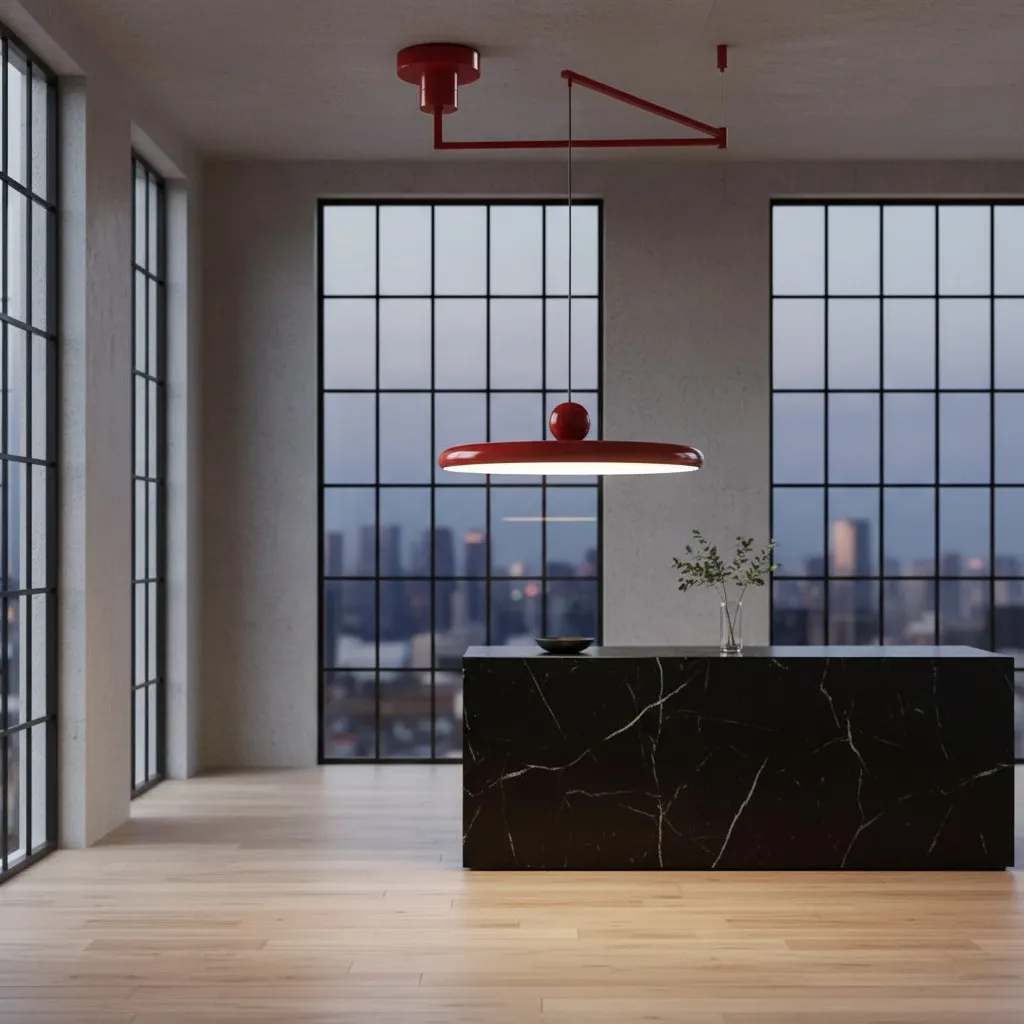
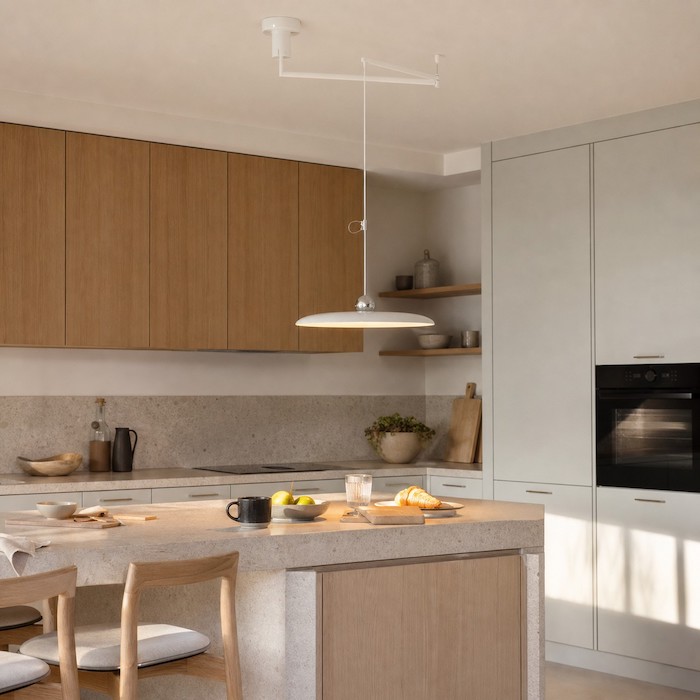
Morning lighting should feel clear but not harsh. Over a kitchen island or compact dining table, an adjustable pendant can move toward the breakfast spot, coffee area, or end of the island where someone is preparing food.
This is where a swing arm design feels different from a decorative pendant. Instead of lighting from one fixed centre, it supports the task happening now. A disc shade also keeps the silhouette simple, so the fixture does not visually crowd a busy kitchen.
Afternoon: Turn the Dining Table Into a Work Surface
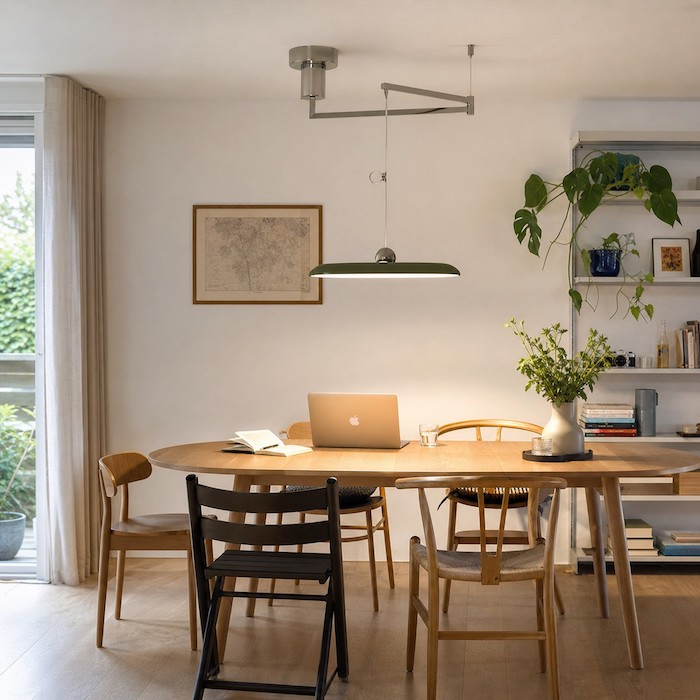
Many dining tables become temporary desks. Work light needs to land closer to the hands and screen, while dining light often aims for a broader, softer centre. If the fixture cannot move, the person working may sit in the wrong spot just to catch the light.
An adjustable pendant lets the table stay where it works best. The light can shift toward the laptop, notebook, or project area, which is especially useful in apartments and open-plan homes.
If you are deciding between fixture types, Swing Arm Pendant Lights vs Linear Pendants: Which Creates a More Flexible Dining Space? compares the broader choice. For daily work zones, the swing arm option usually wins because it responds to changing tasks.
Evening: Shift From Practical Light to a Social Glow
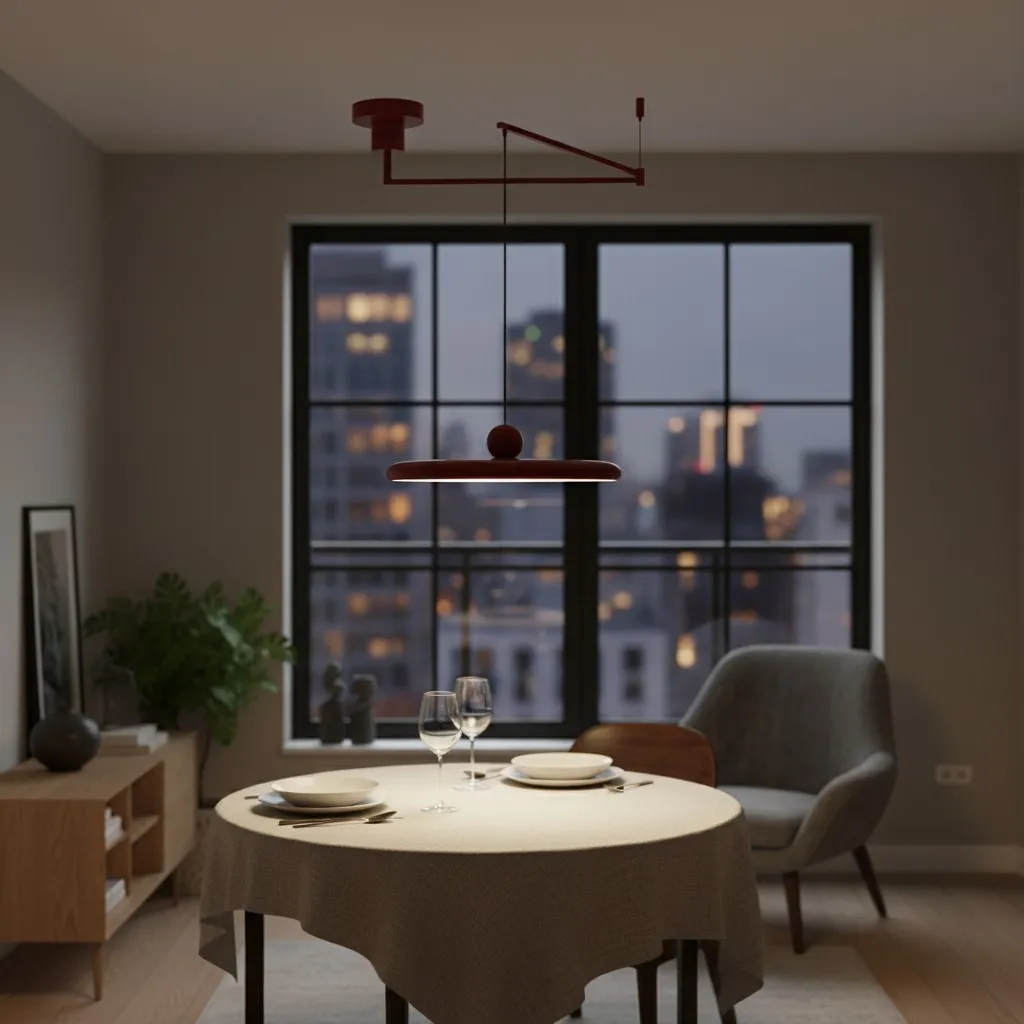
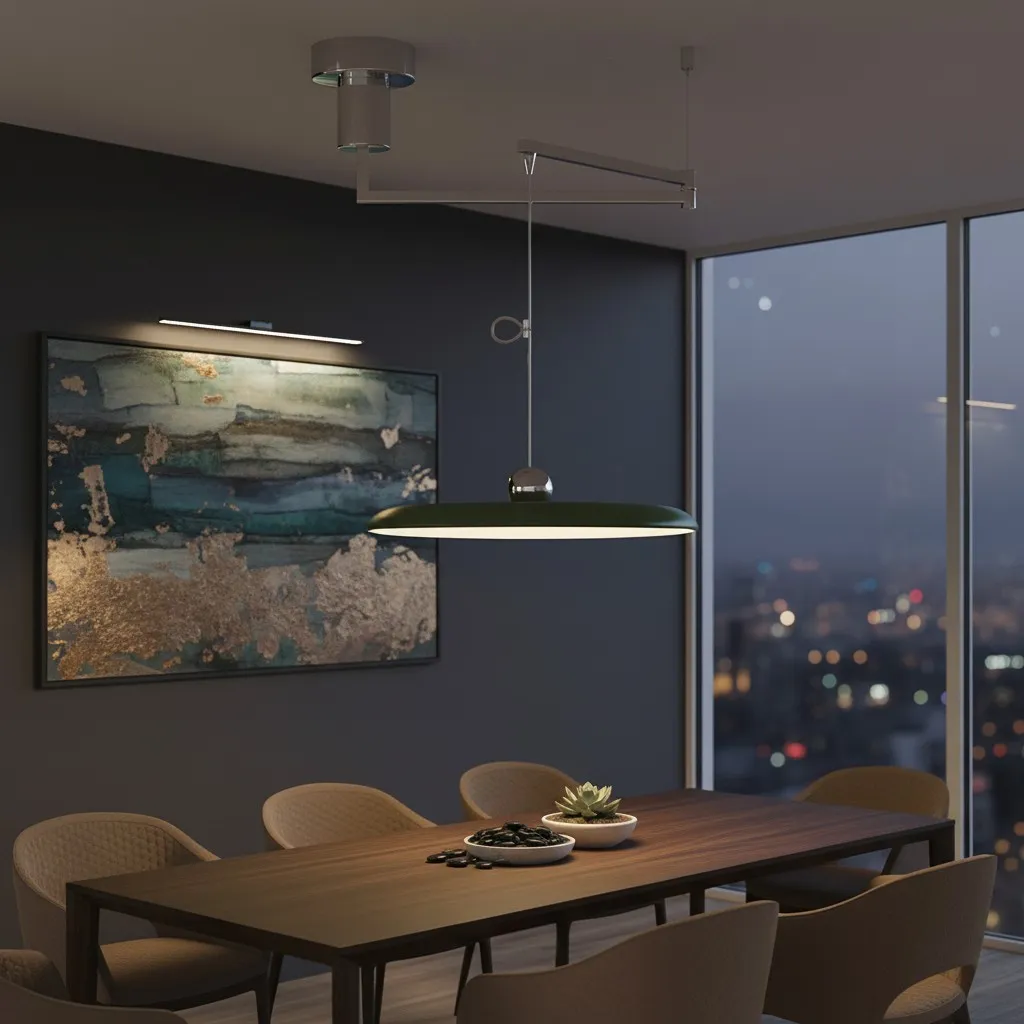
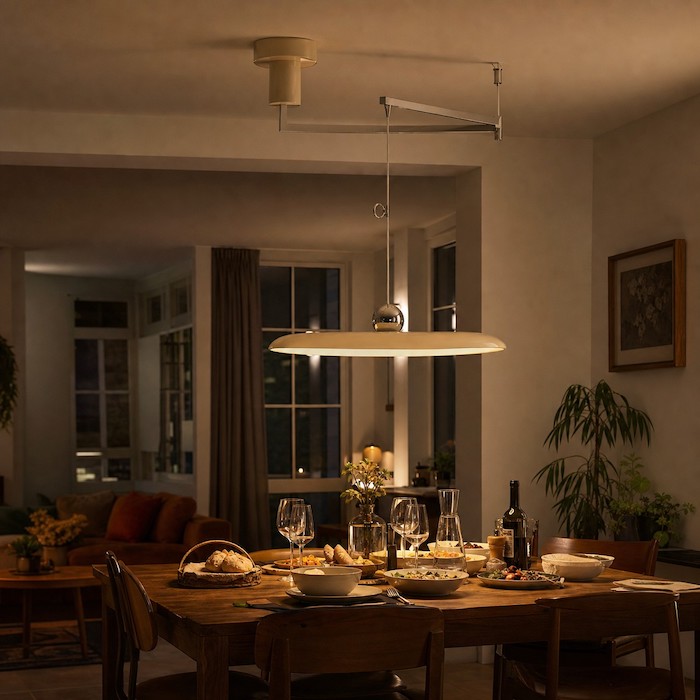
Evening dining needs a different mood. The light should still make food look appealing, but it should not feel like a work lamp. With an adjustable pendant, you can define the table while letting the room around it feel relaxed.
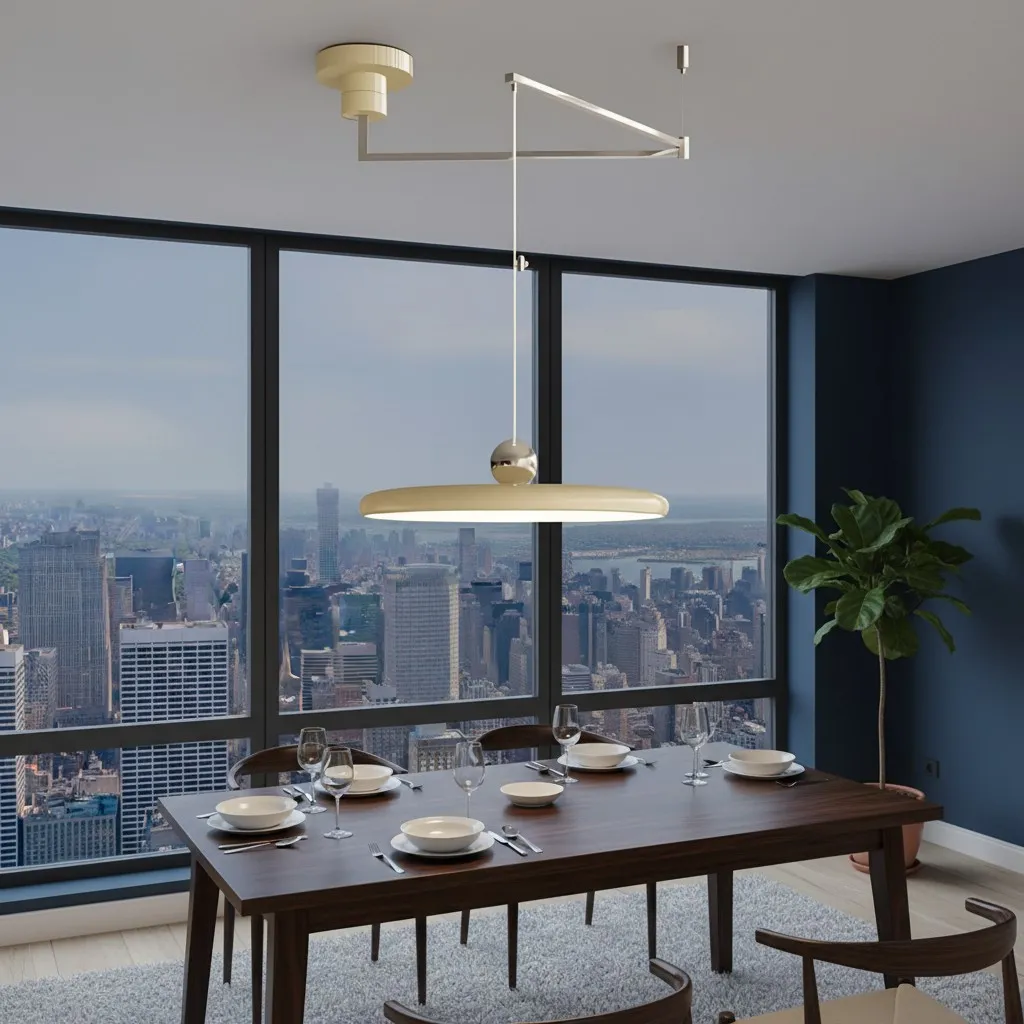
A warm disc pendant works well here because the shape is calm and contained. It creates a visual centre above the table without dominating conversation.
The Swinglo modern adjustable pendant is useful when dinner seating changes. If the table extends or guests gather at one end, the light can stay connected to the real gathering point.
Weekend Entertaining: Keep the Room Flexible
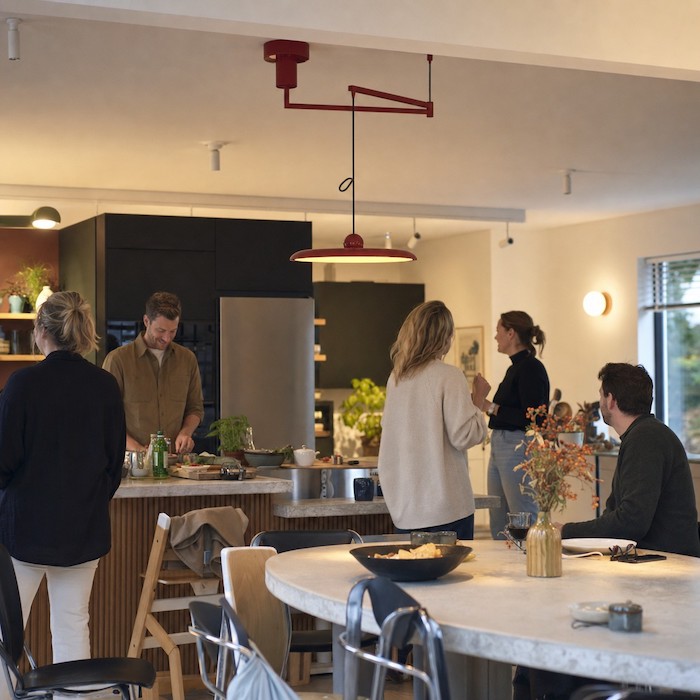
During entertaining, people rarely stay neatly centred under one pendant. They stand near the island, lean on the table, pass dishes, move chairs, and create small conversation zones. A fixed pendant can feel staged; an adjustable pendant feels ready for people.
Use the light to support the main gathering surface first. Then let nearby lamps, wall lights, or ceiling layers soften the rest of the room.
Which Interiors Suit an Adjustable Disc Pendant?
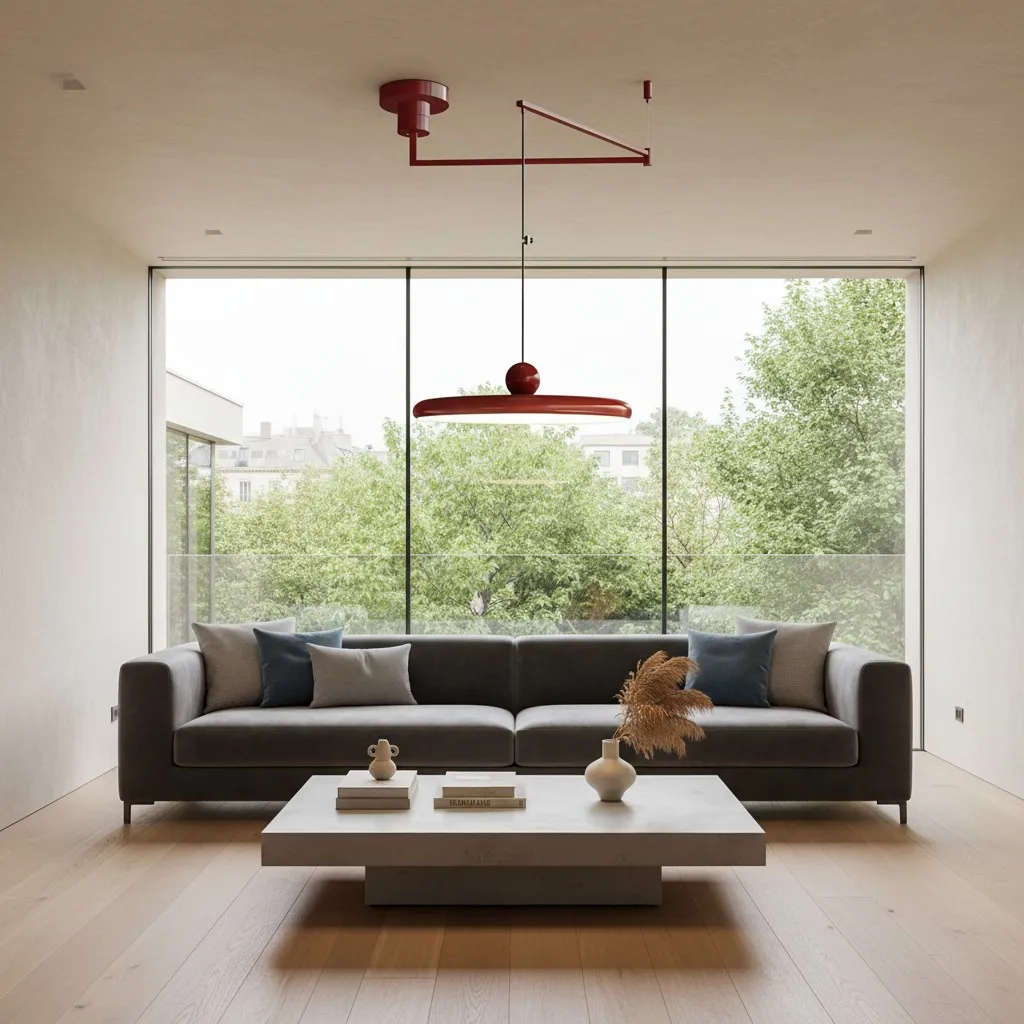
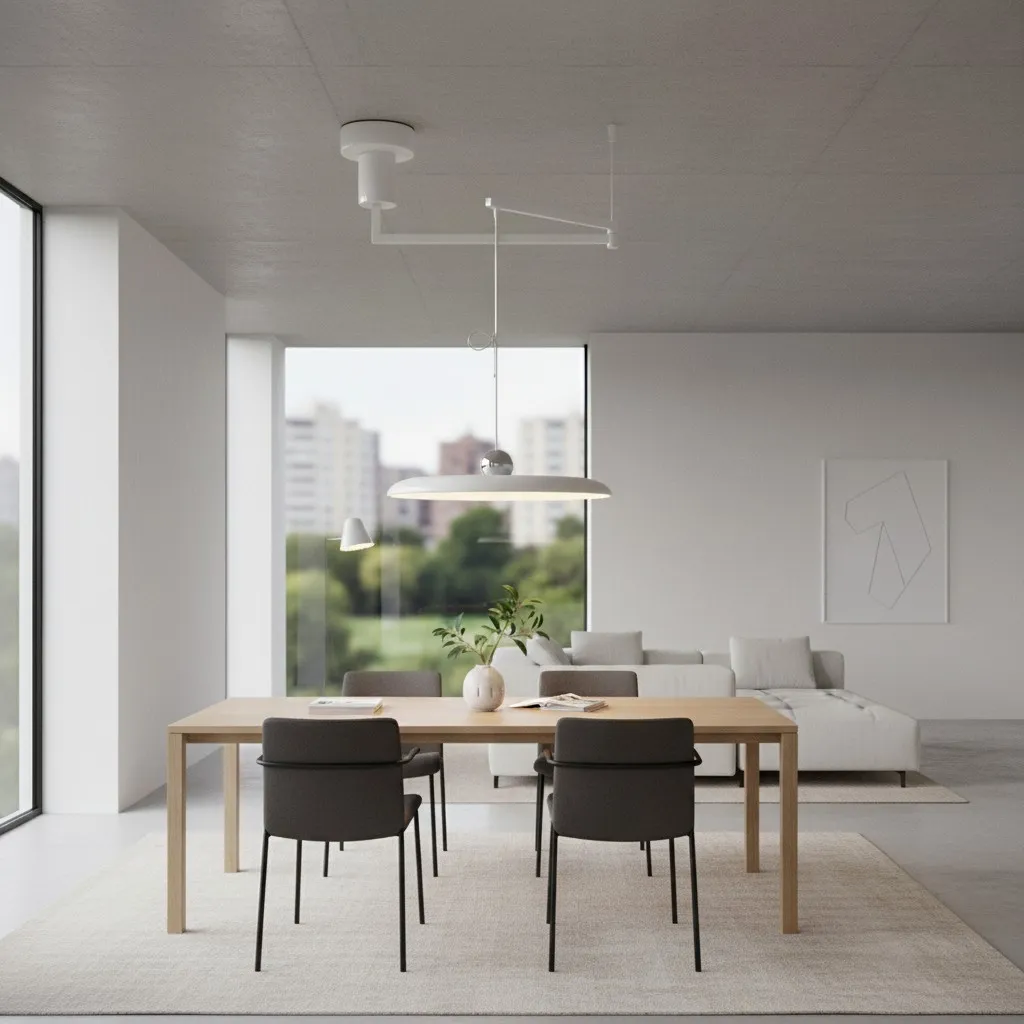
Minimalist rooms benefit from the clean disc shape because it adds function without visual clutter. Scandinavian and Japandi interiors work well with wood, soft textiles, and simple dining furniture. Contemporary kitchens can use the fixture to soften straight cabinet lines.
The 40 cm size is easier to place in compact rooms and smaller tables. The 50 cm size has more presence above a wider dining table or kitchen island. Choose based on the furniture below, not only the ceiling area.
Common Mistakes to Avoid
The first mistake is expecting one pendant to replace every lighting layer. A room may still need softer side lighting or task lighting elsewhere. The second mistake is ignoring clearance. The arm should move without hitting cabinets, tall decor, or walking paths.
The third mistake is choosing the larger size automatically. In a compact room, a 40 cm disc can feel more balanced than a 50 cm shade. In a wider room, the larger option may feel more intentional.
Recommended Product for a Day That Keeps Changing
If your dining area needs to move between meals, work, food prep, and entertaining, the Swinglo adjustable swing arm pendant light is a practical fit. Its value is that the light can adapt to the table, island, and people using the room.
Choose it when your layout is nearly right but your fixed lighting point feels too rigid.
FAQ
Can one pendant light work for both dining and working?
Yes, if it adjusts toward the activity area.
Which Swinglo size should I choose?
Choose 40 cm for compact spaces and 50 cm for wider tables, islands, or open rooms.
Can this replace all other lighting?
Usually no. It anchors the main activity zone, while side lights can soften the room.