Practical lighting design
The One Wall Everyone Forgets to Light
The Forgotten Wall Shows Up After Sunset
The wall everyone forgets to light is not always the largest wall. It is the wall that makes the room feel unfinished once the ceiling light is off: the end of a hallway, the side wall beside a sofa, the blank stretch between two rooms, or the surface you see first from the doorway.
During the day, that wall may look harmless. At night, it can make the room feel flatter, narrower, or less connected. Adding more decor may fill the space, but it will not always change how the room feels. Wall light changes the surface itself.
Quick Answer: Use the Doorway Test
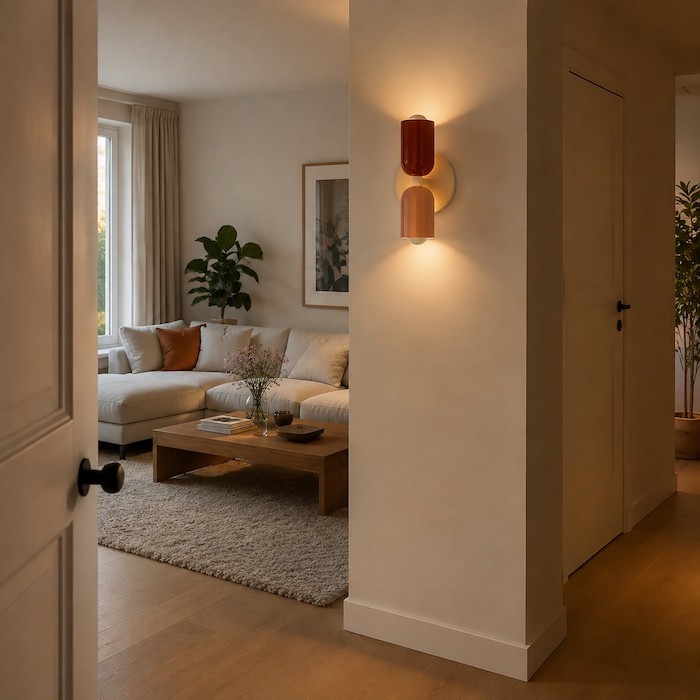
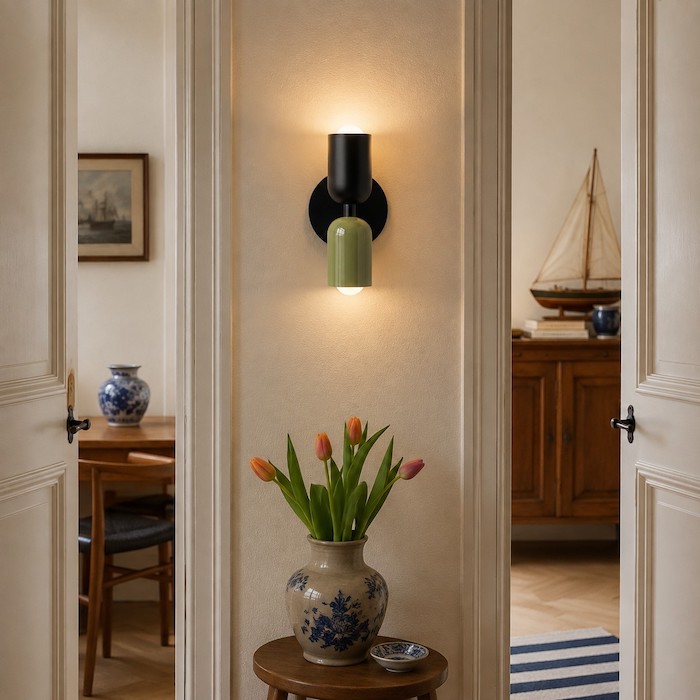
Stand at the doorway in the evening and look for the wall your eye avoids. If it disappears into shadow, breaks the flow of the room, or makes a corner feel abandoned, that is your first lighting opportunity.
Judge the result from the doorway rather than from a fixture close-up: the wall should gain depth while the route and furniture remain visually calm.
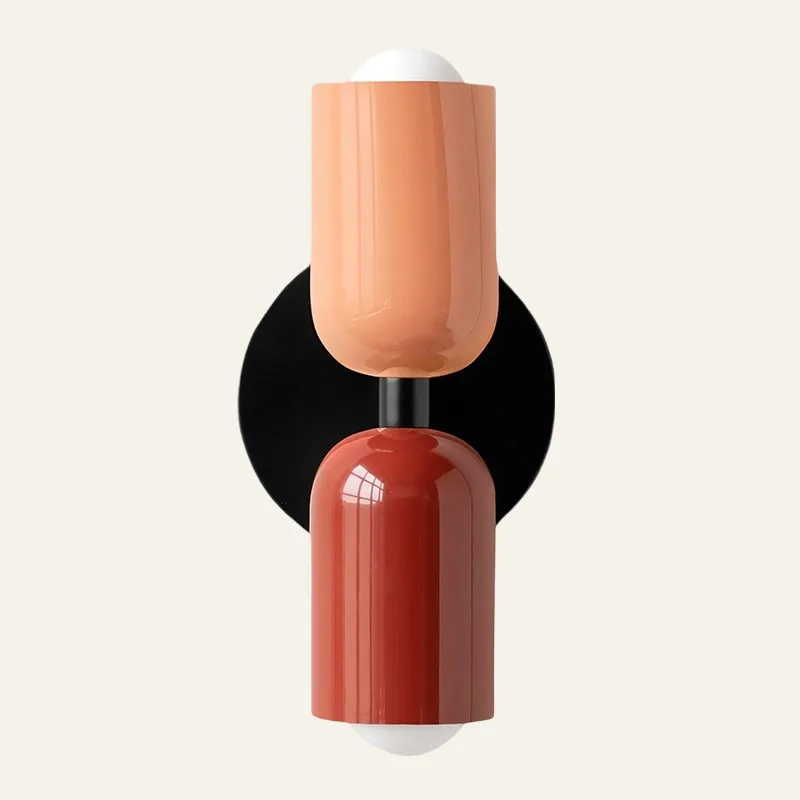
The doorway test tells you whether a forgotten wall needs atmosphere. A slim dual-direction wall sconce can give that surface a vertical role without adding clutter.
The doorway result is more useful than a styled product image because it shows whether vertical light improves the room from a normal walking viewpoint.
Three Walls Worth Checking First
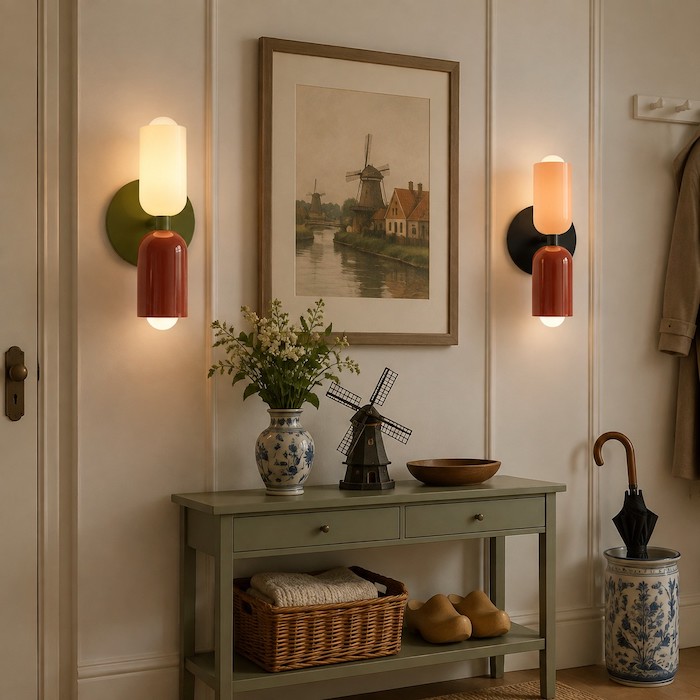
The arrival wall: the wall people see when they enter. Lighting it can make the room feel intentional before anyone notices the furniture.
The background wall: the wall behind a sofa, console, dining table, or reading chair. A soft vertical glow helps the furniture feel anchored.
The transition wall: the stretch between hallway and living area, or bedroom and wardrobe. Lighting this wall makes movement through the home feel smoother.
When the overlooked surface is a corridor wall, continue with Hotel-Inspired Hallways That Feel Instantly More Luxurious for spacing, rhythm, projection, and glare decisions.
When a Sconce Solves More Than Empty Space
If the problem is only visual emptiness, art or a mirror may help. If the problem is that the wall feels dead after dark, lighting is the stronger fix. Up-and-down sconces add brightness, shadow, and direction, so the wall feels active without becoming busy.
This is where the page differs from a general wall decor guide. The goal is not to cover the wall. The goal is to give it a job after sunset.
For a background or transition wall, check whether a modern metal wall sconce would support movement and furniture rather than compete with it.
How This Connects to Hallways and Bedrooms
When the weak wall is beside the bed, The Secret to a More Relaxing Bedroom Isn't the Bed explains how to create calm without sacrificing bedside function.
Placement Checks Before You Install
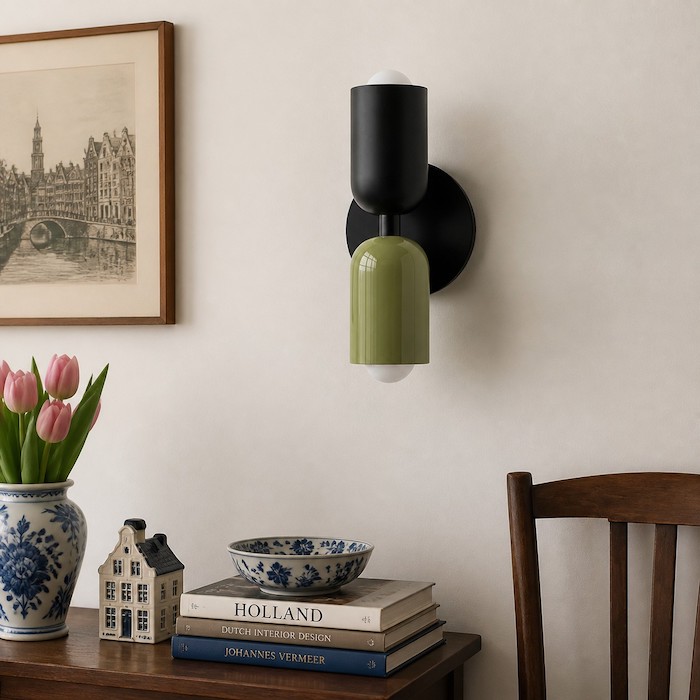
Choose a wall with enough clear surface above and below the fixture. Up-and-down light needs space to spread. Avoid placing it tight between tall cabinets, heavy curtains, or dense gallery walls.
Then check two viewpoints: the doorway and the place where people sit. If the glow improves both views, the sconce is solving a room problem rather than acting as a small decorative accent.
If the chosen wall has enough open space above and below the fixture, a controlled up-and-down beam can turn that ignored surface into a softer evening focal point.
Where This Wall-Light Approach Fits
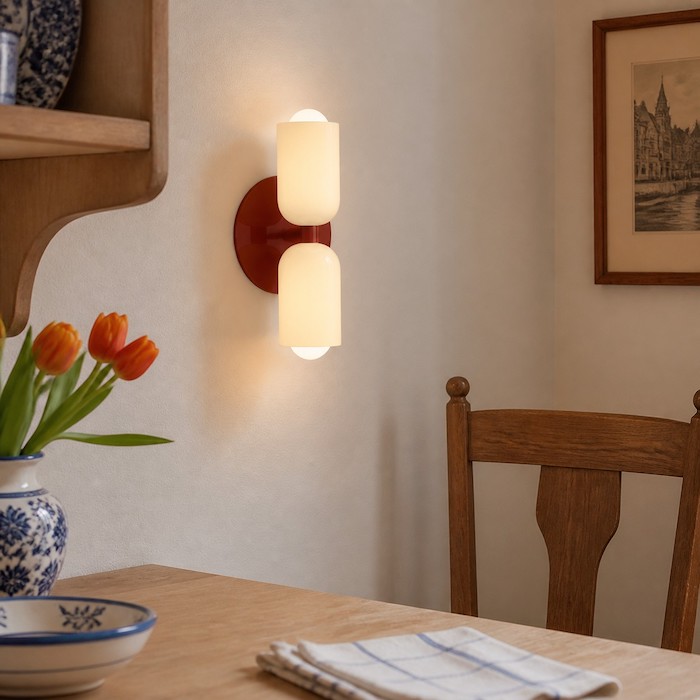
Use a slim metal sconce when the wall needs definition but the room cannot handle more furniture or decor. A minimalist up-and-down fixture works especially well in modern hallways, quiet living rooms, dining walls, and compact bedrooms where the wall itself should become softer.
A convincing result leaves enough open wall above and below the fixture for two soft beams to spread without colliding with shelves, curtains, or artwork.
When the wall has enough clearance and the beam will not create glare, view the Symra Wall Sconce as the final room-specific choice.
People Also Ask
Which wall should I light first?
Start with the wall that looks flat or disconnected after sunset, especially the first wall seen from the doorway or the wall behind the main seating area.
Can one wall sconce be enough?
One can be enough for a short transition wall, console area, or small reading corner. A wide wall usually needs a pair or a repeated rhythm.
Do wall sconces make a room look bigger?
They can make a room feel deeper by adding vertical light and shadow, but they will not correct an overcrowded layout.
Do I need new wiring for a wall sconce?
A hardwired sconce normally needs a suitable wall connection. Confirm the existing wiring and local installation requirements with an electrician before ordering.
What should I check before ordering an up-and-down wall light?
Check the fixture dimensions, wall clearance above and below, finish in daylight, colour temperature, dimming compatibility, and the return policy.