Practical lighting design
How Adjustable Lighting Creates Better Zones Without Building More Walls
Open Rooms Need Signals, Not More Partitions
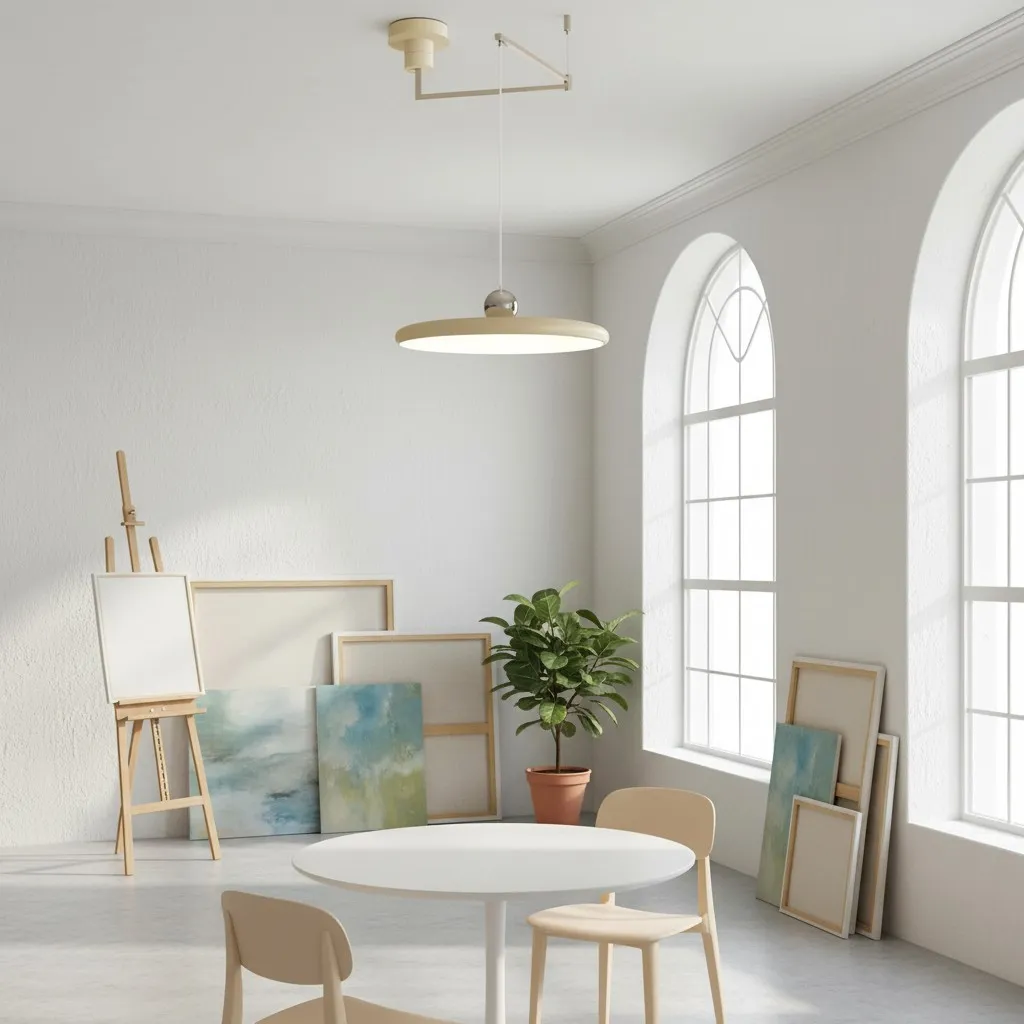
Open-plan rooms often fail because every activity competes for the same pool of light. A dining table, island, desk corner, and sofa can share one room, but they feel calmer when the lighting shows where each activity begins.
Adjustable lighting helps because it changes the focus without changing the architecture. Instead of building another wall, you move the light toward the surface that matters now.
Quick Answer: Draw the Boundary with Movable Focus
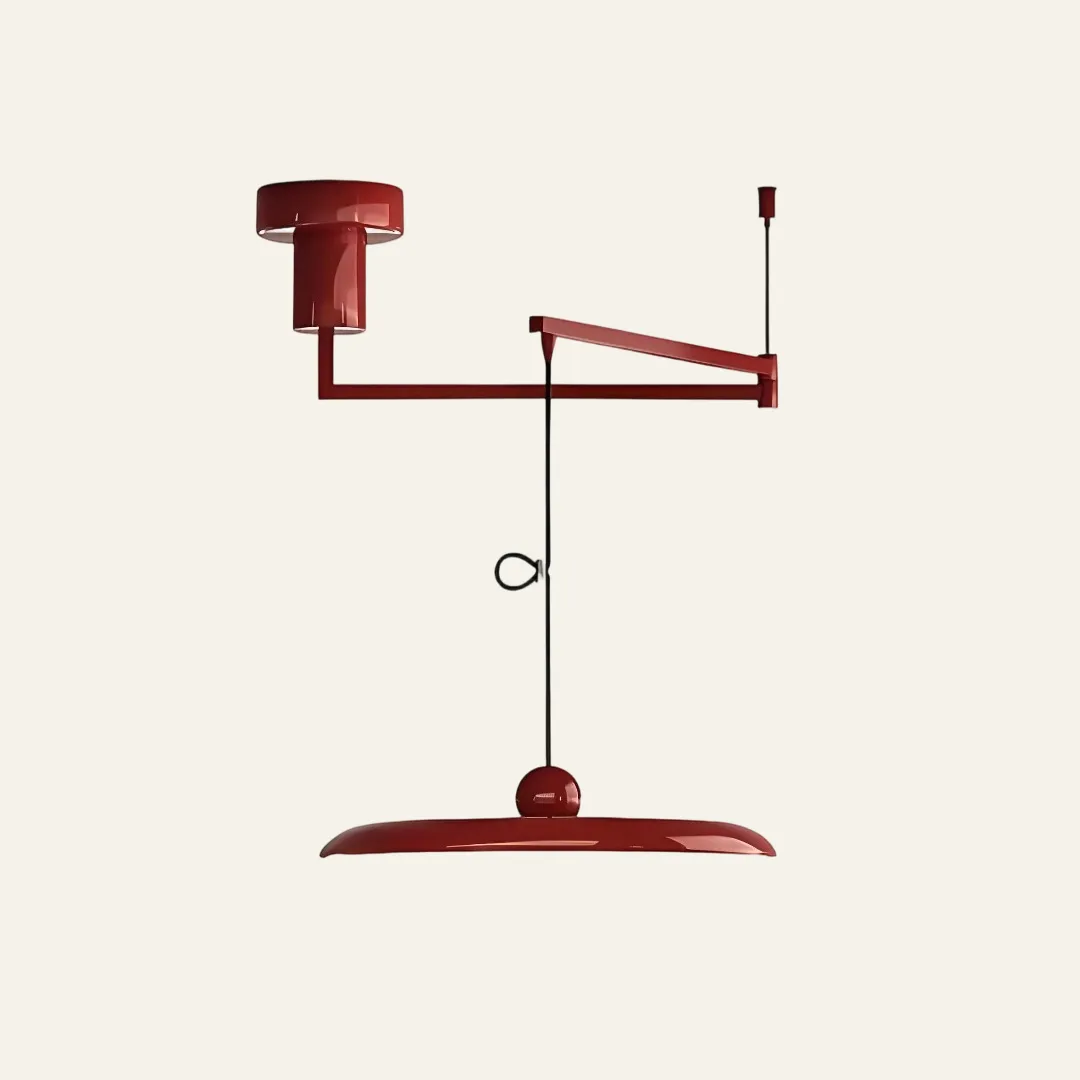
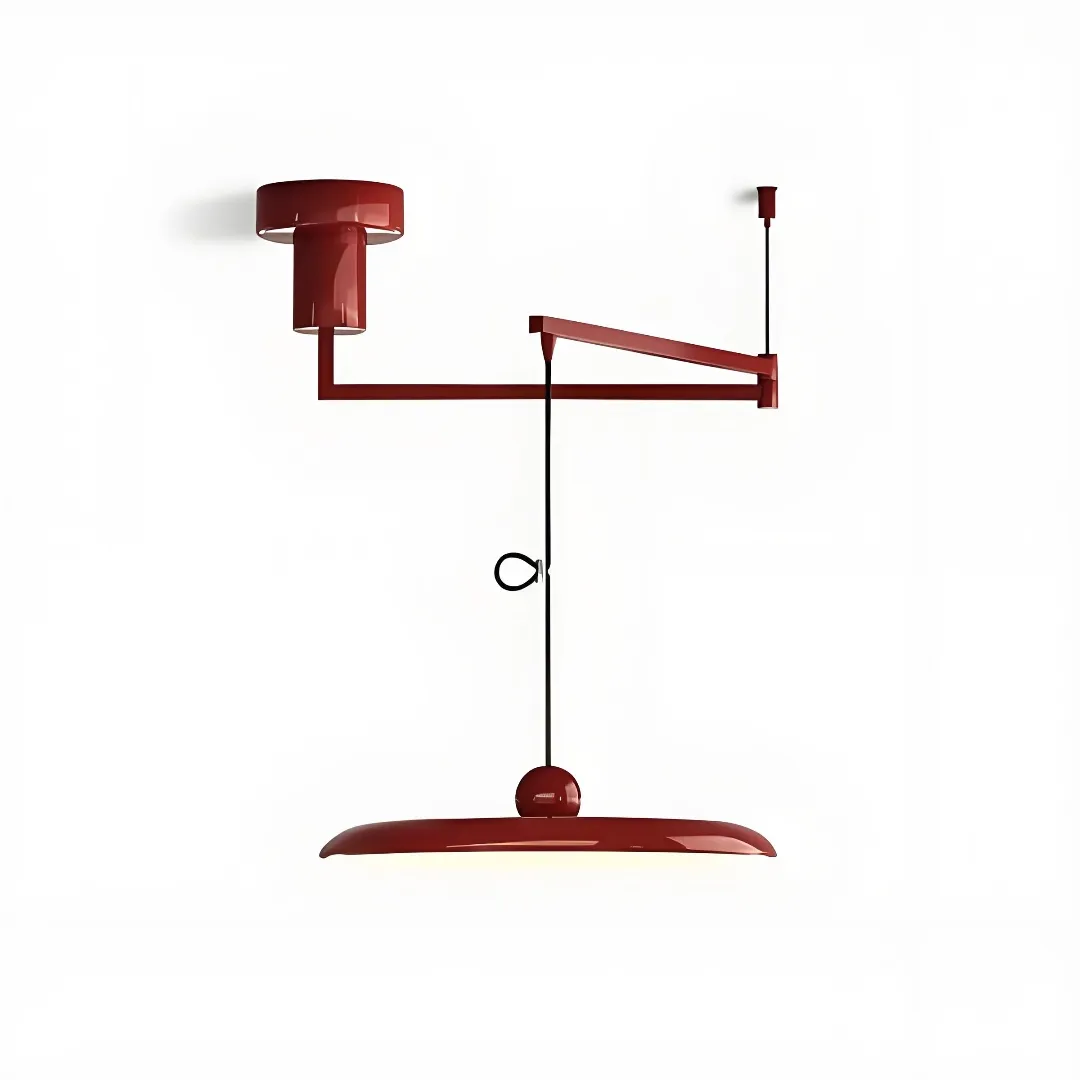
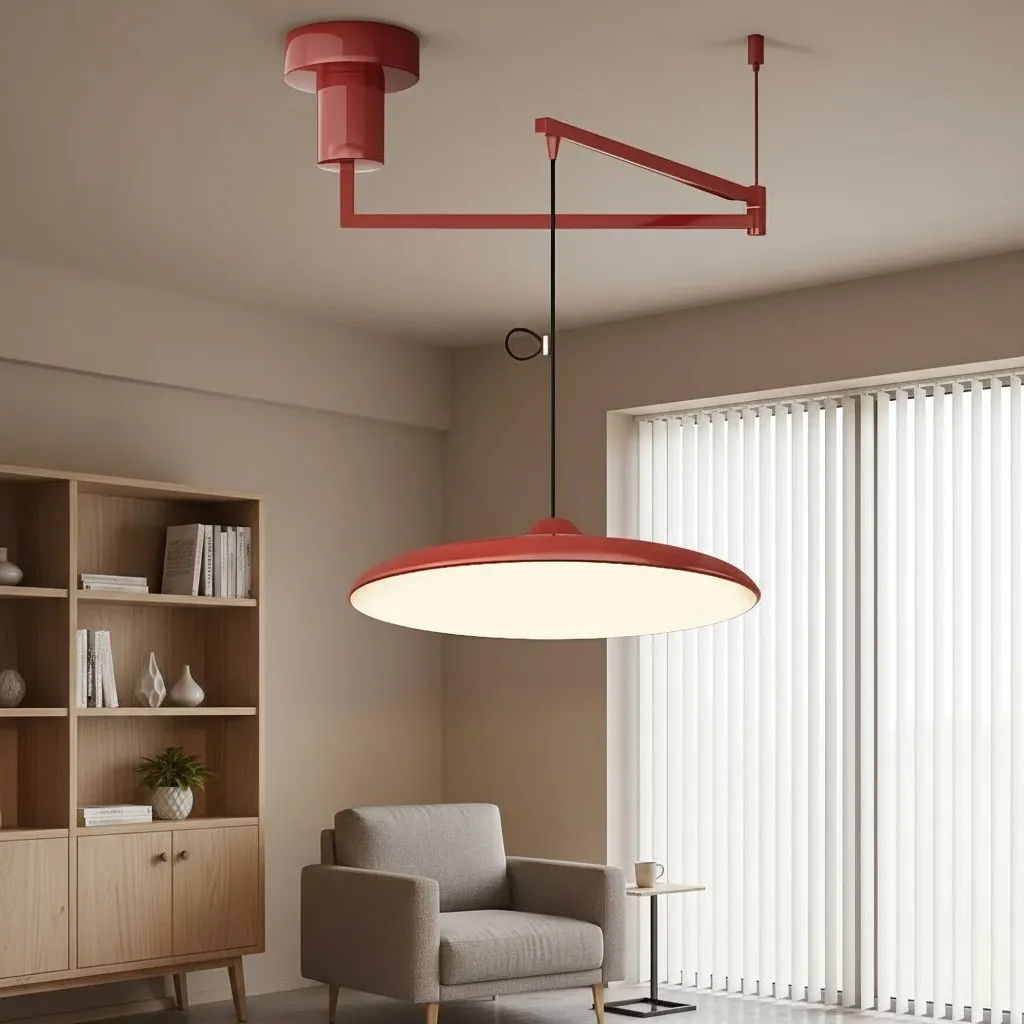
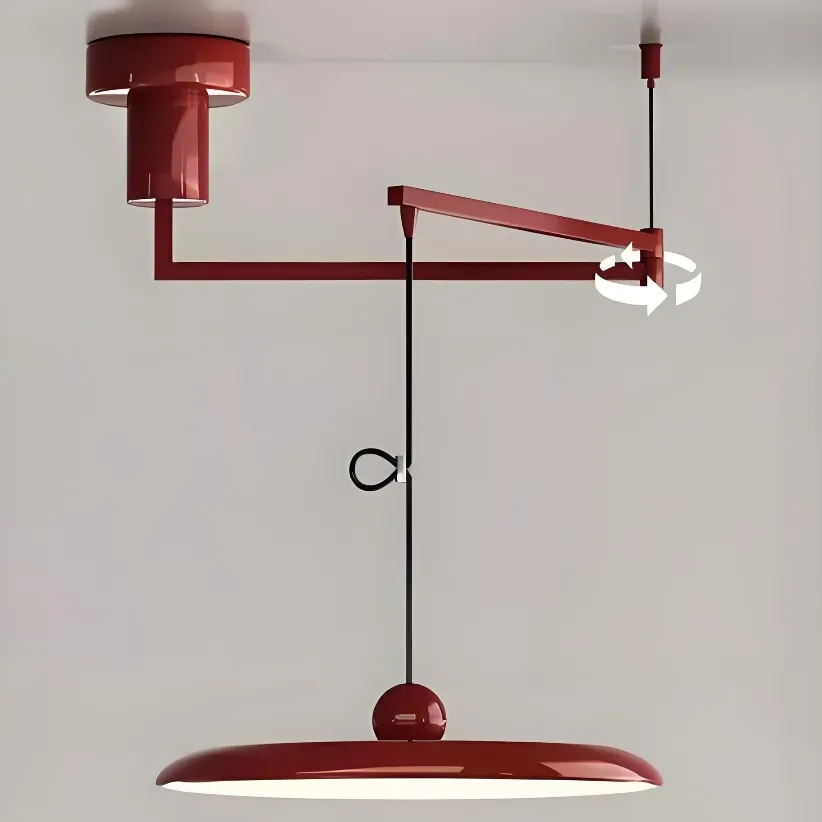
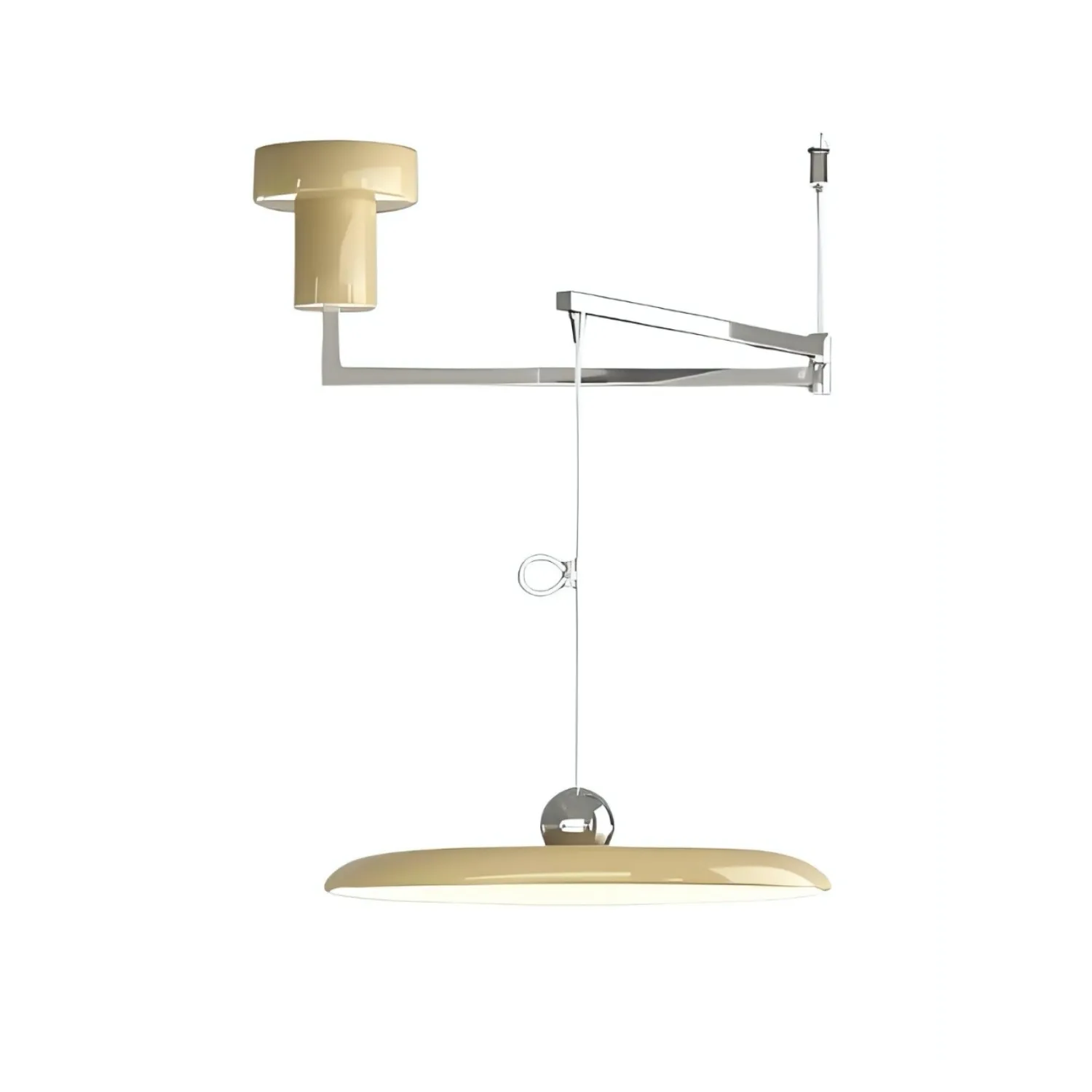
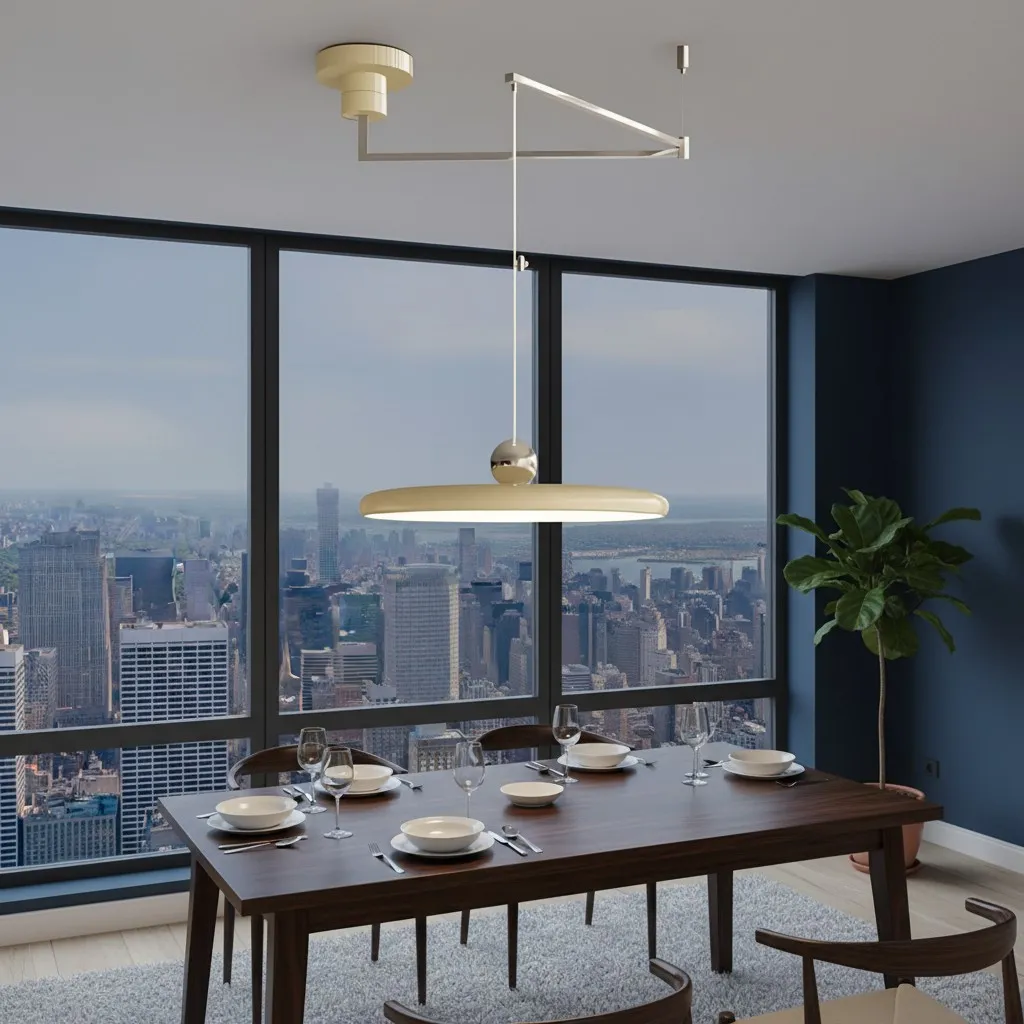
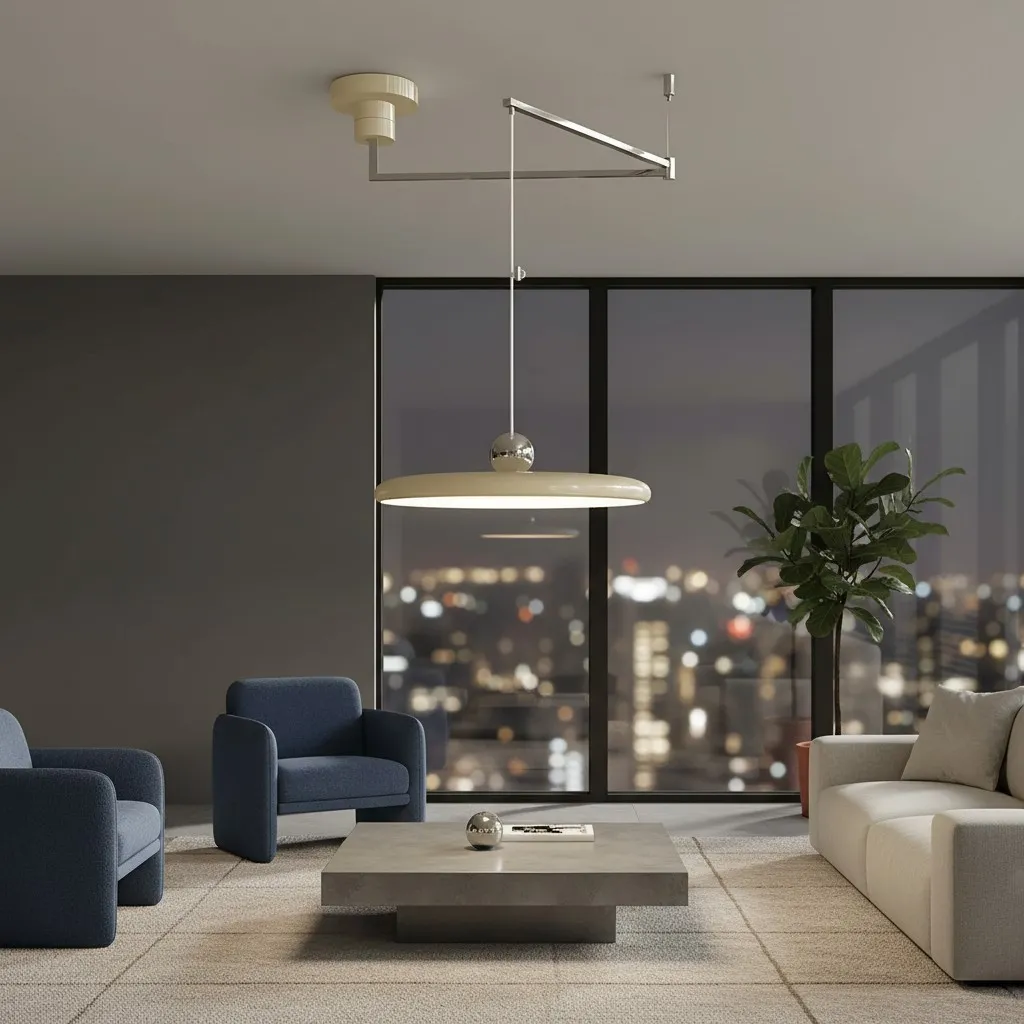
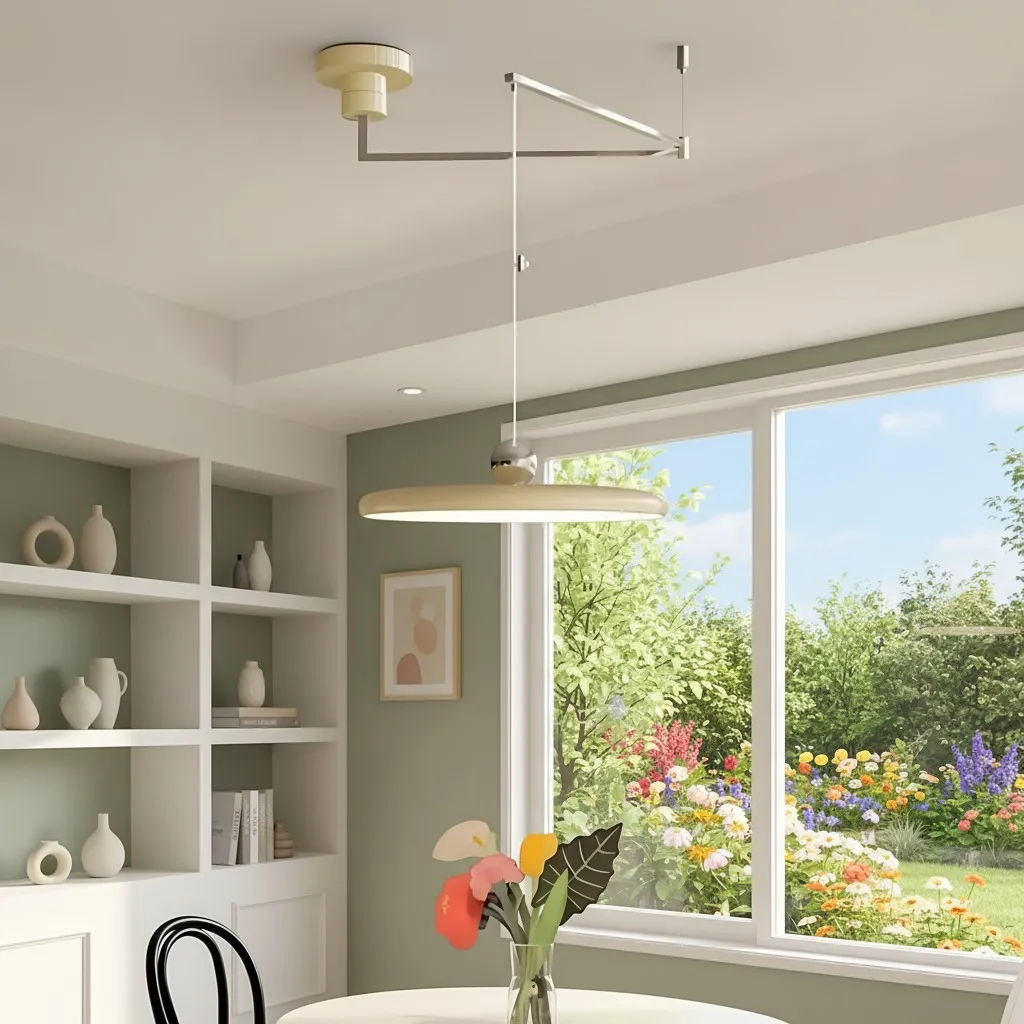
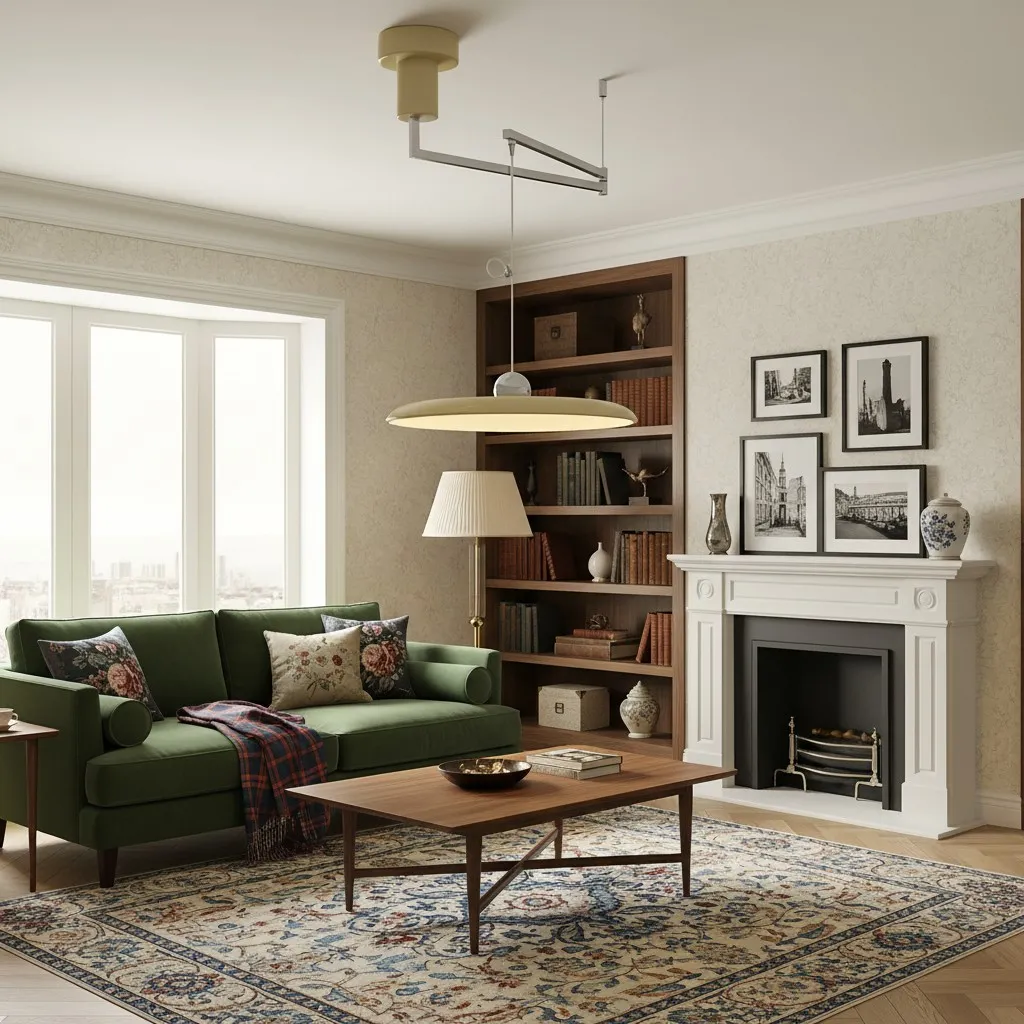
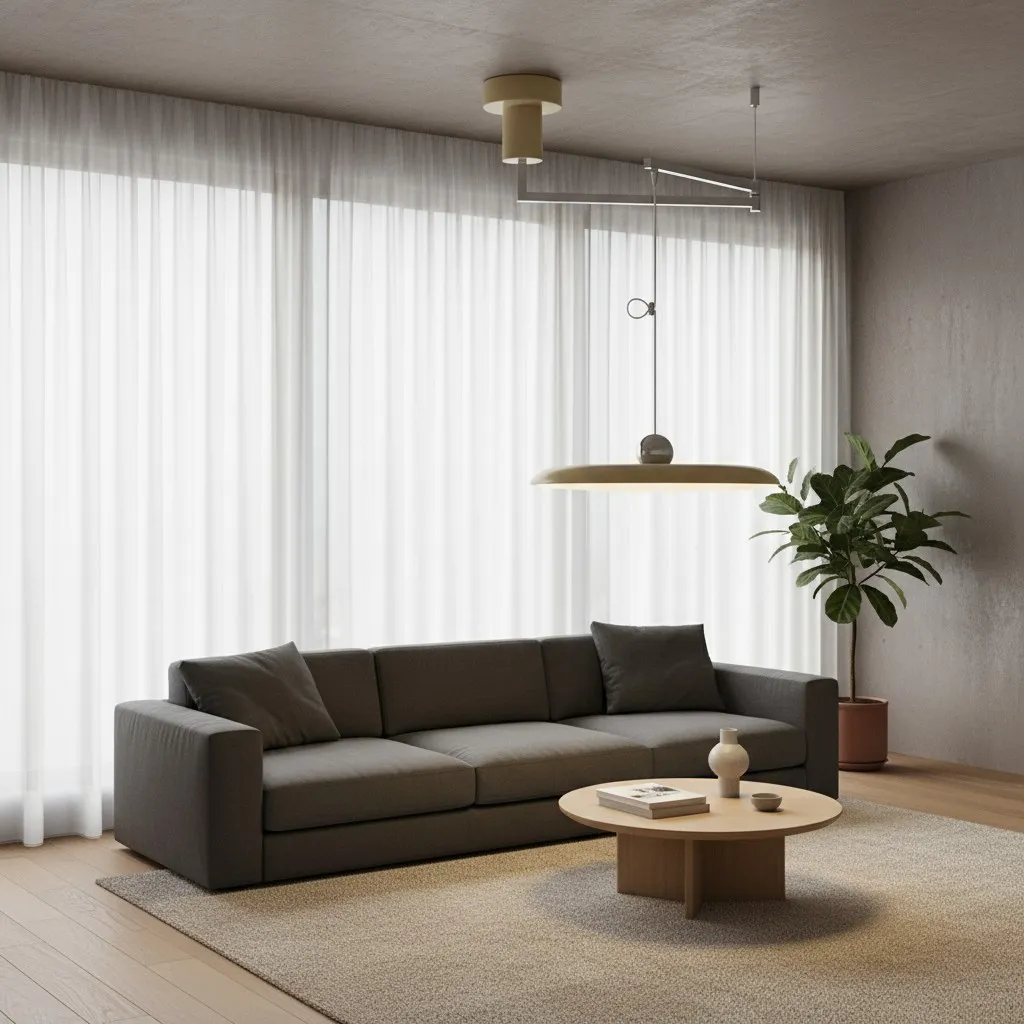
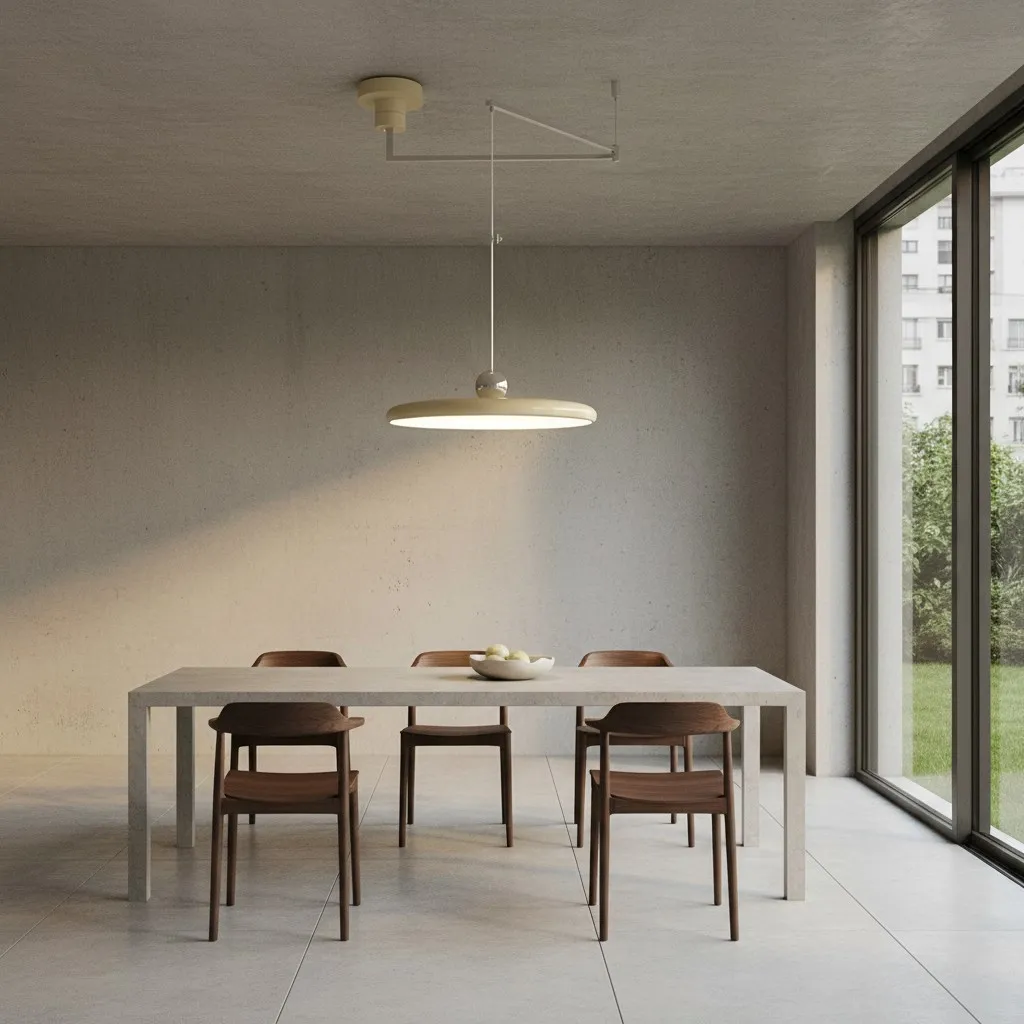
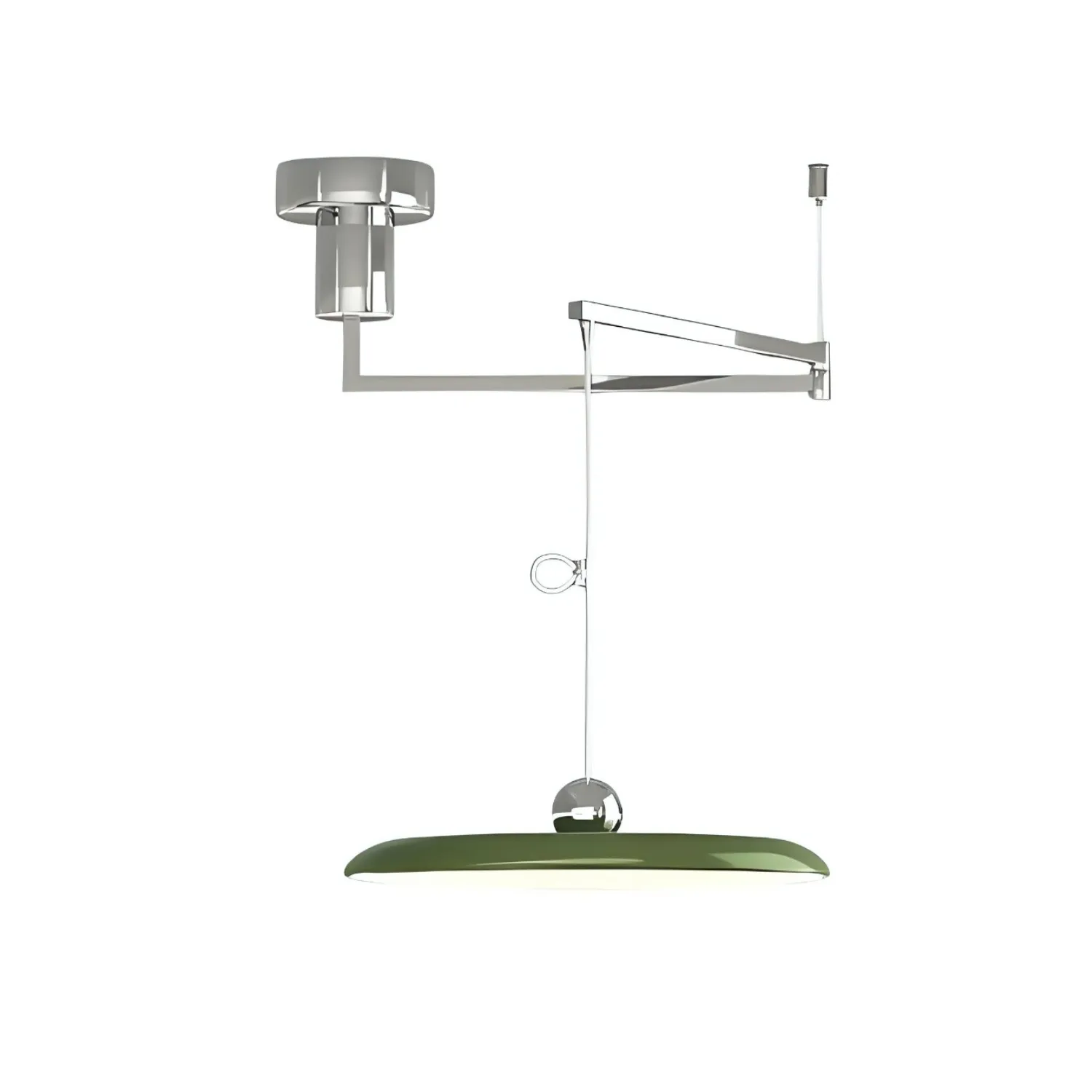
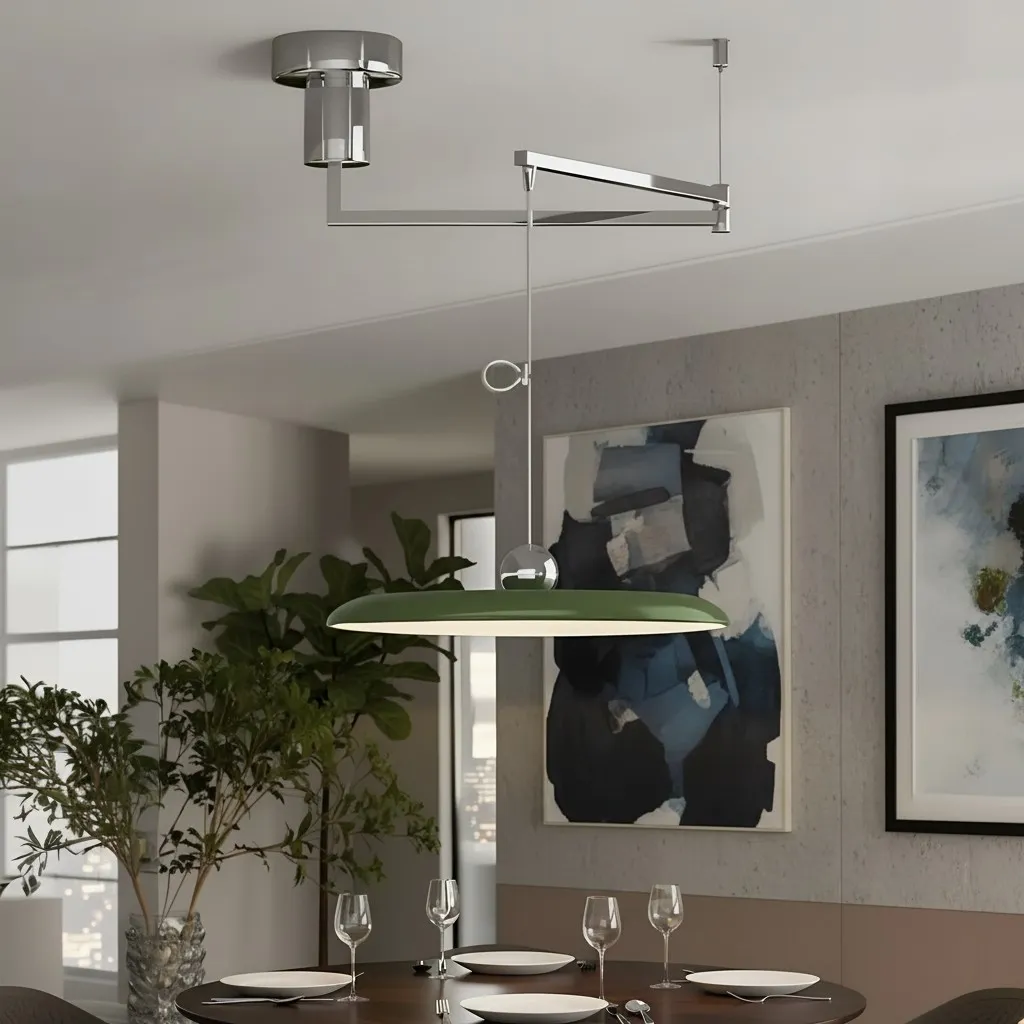
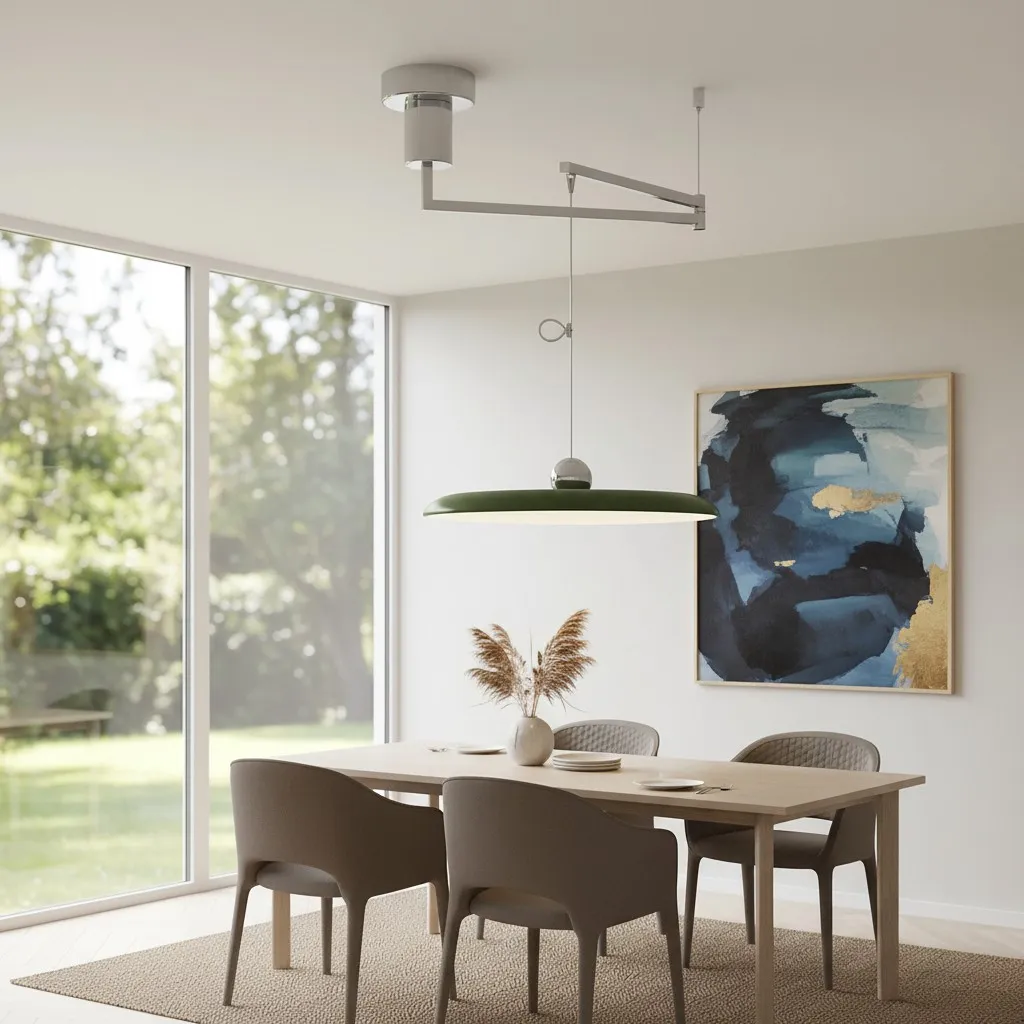
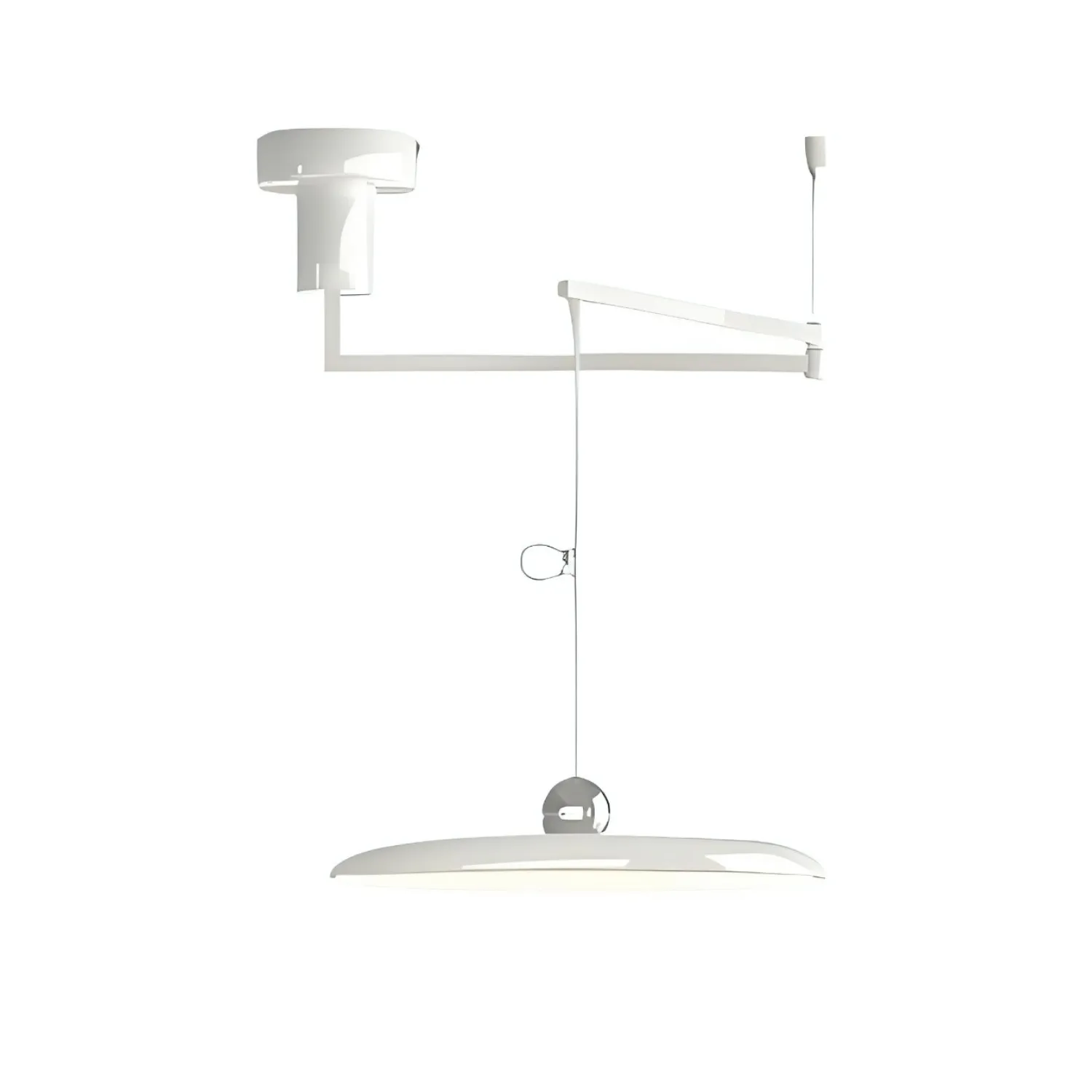
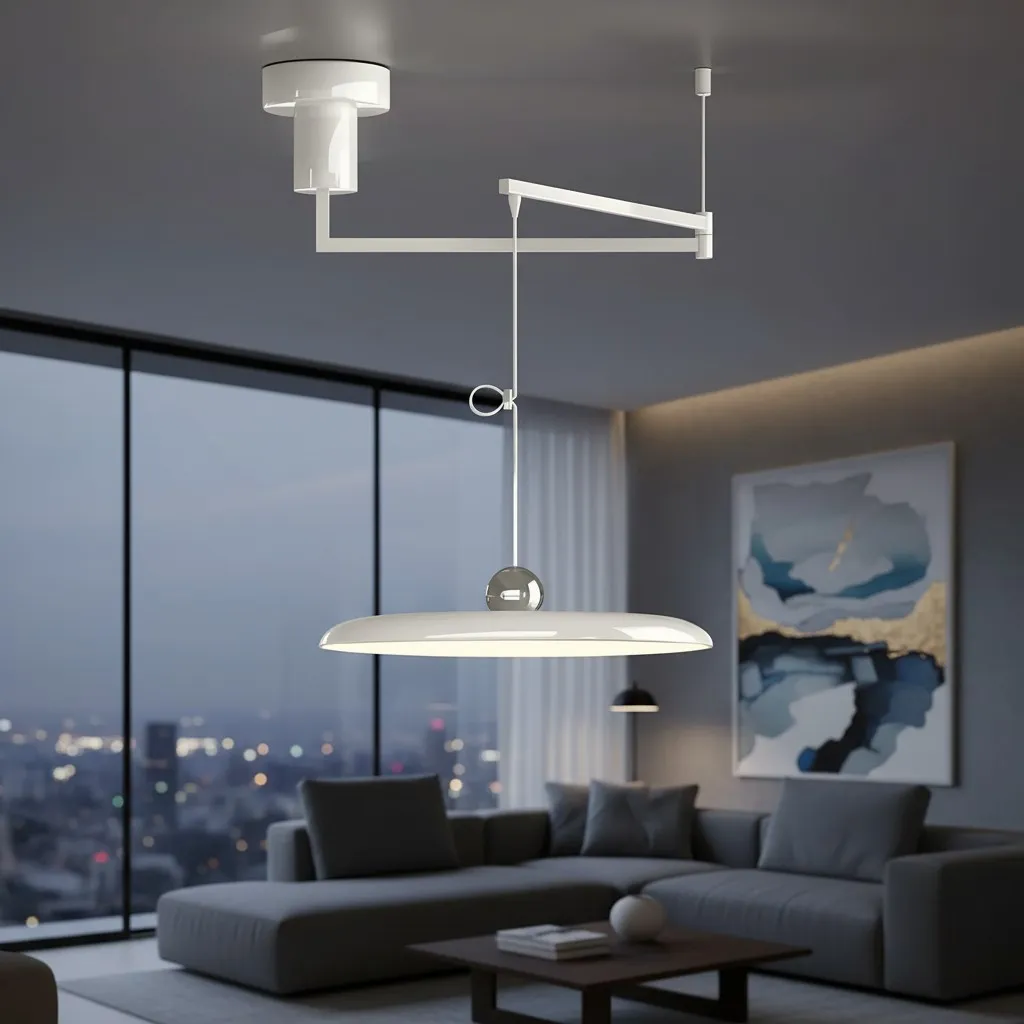
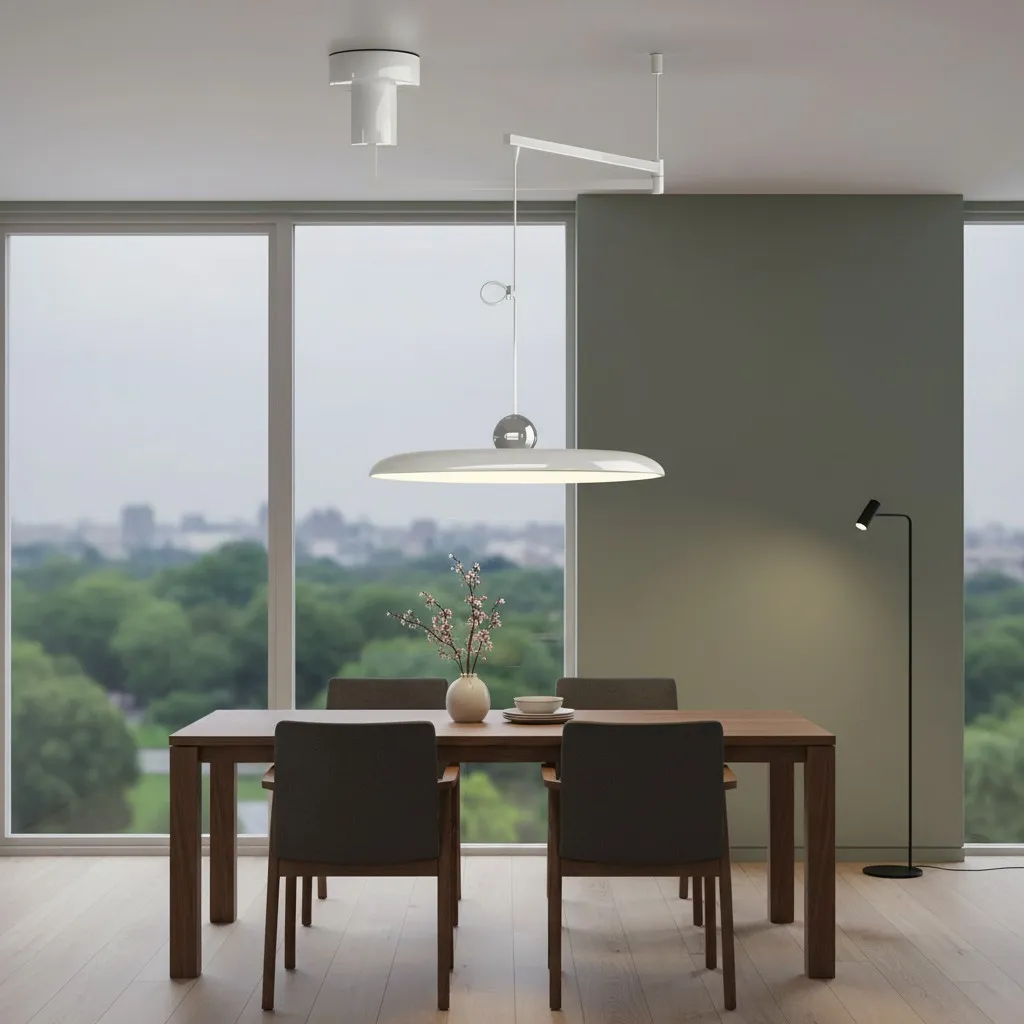
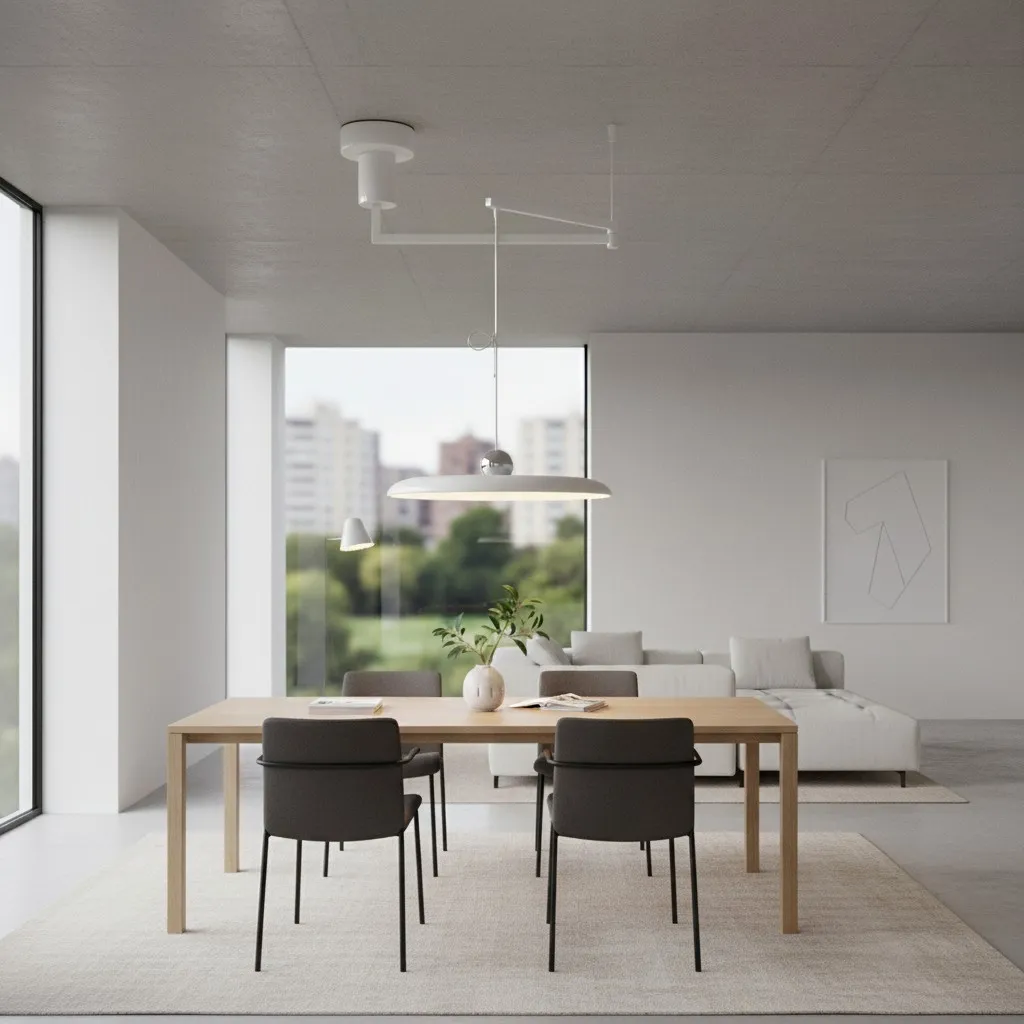
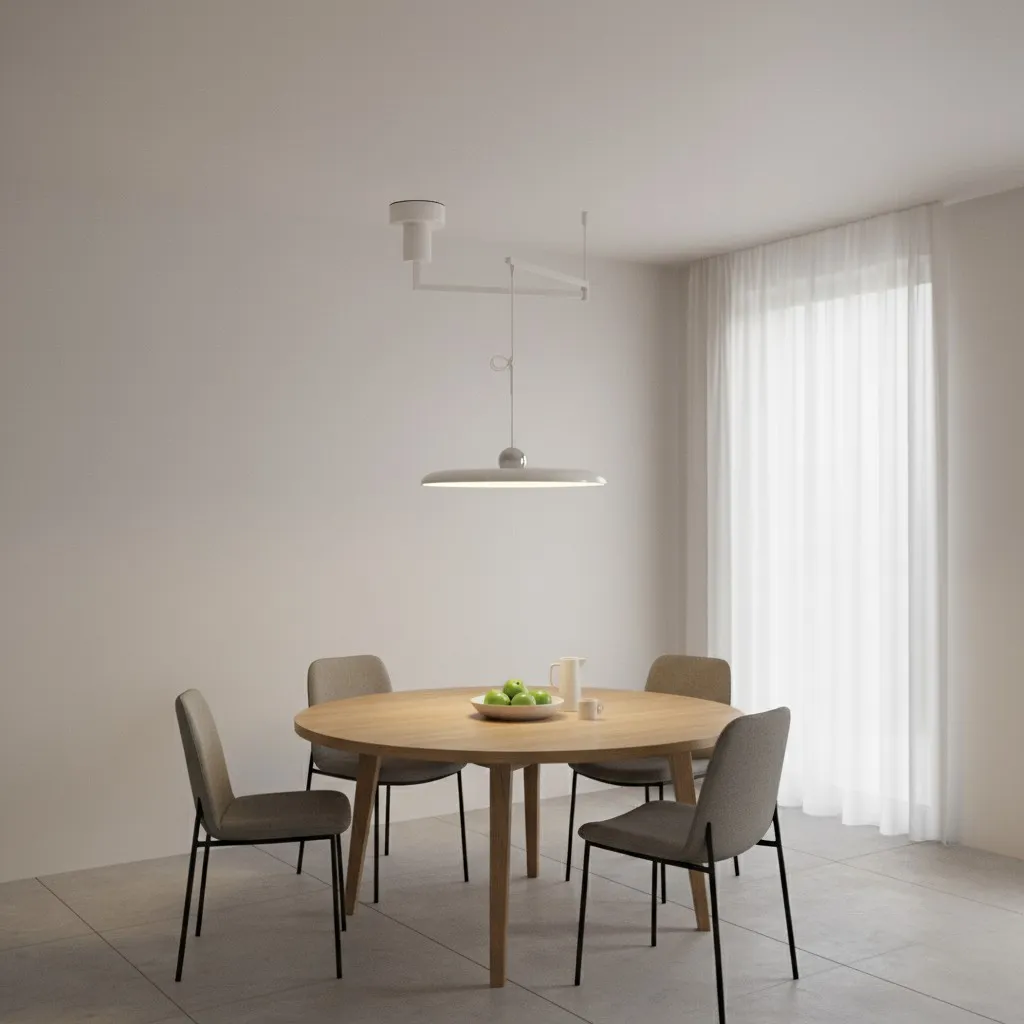
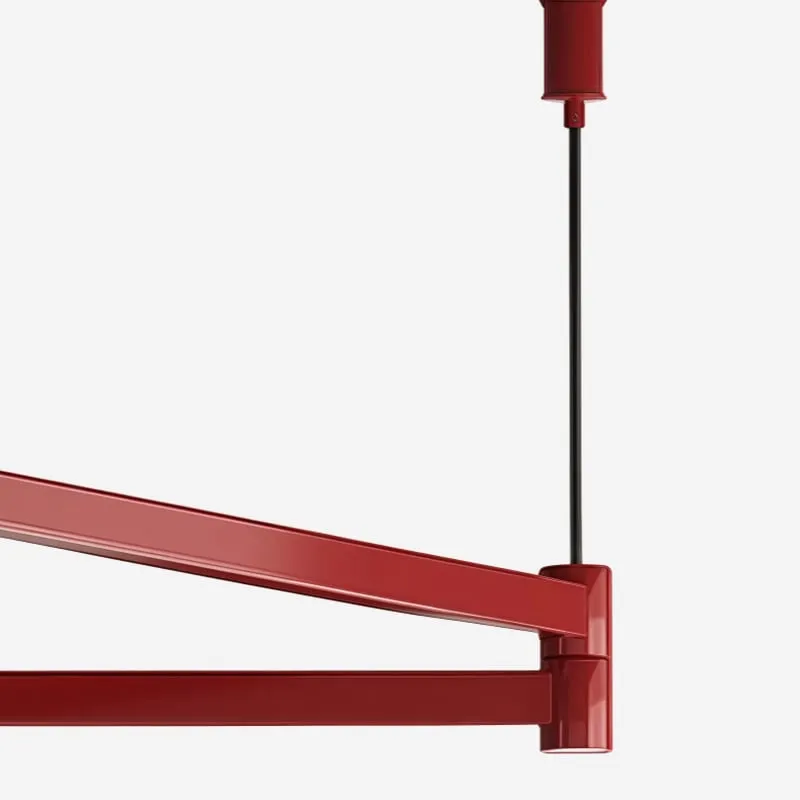
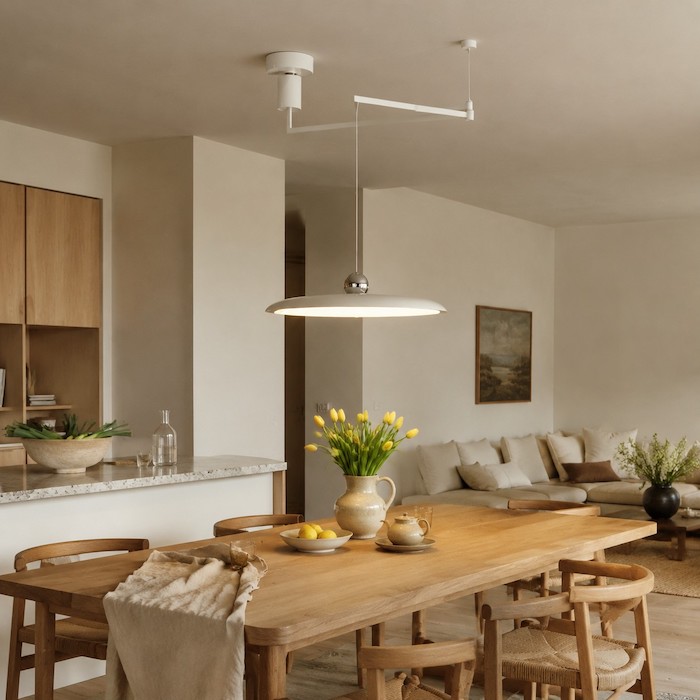
An adjustable swing-arm pendant is useful when a table, island, or work surface does not sit neatly under the ceiling point; the horizontal reach lets the light follow the zone rather than the wiring.
The best zone is not the brightest area. It is the area that feels most intentional from the doorway, from the seat, and during daily use.
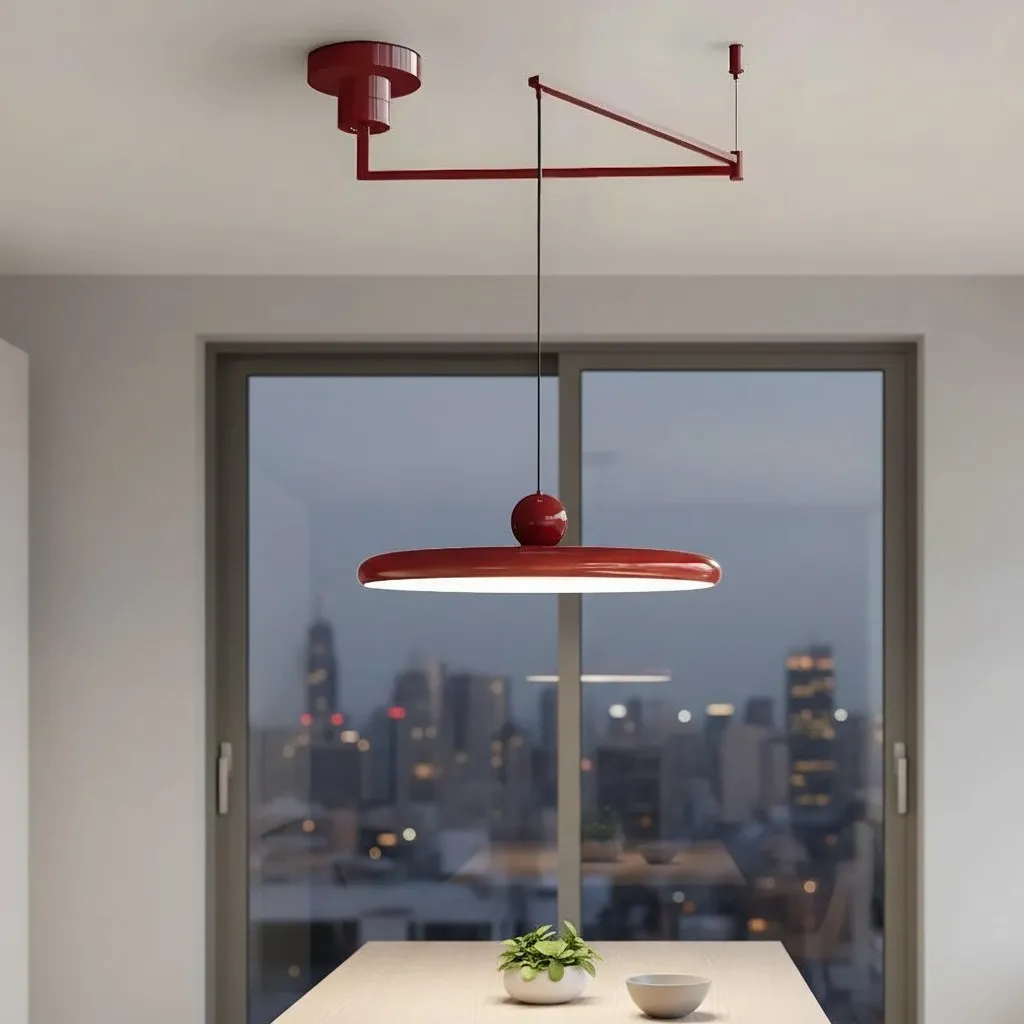
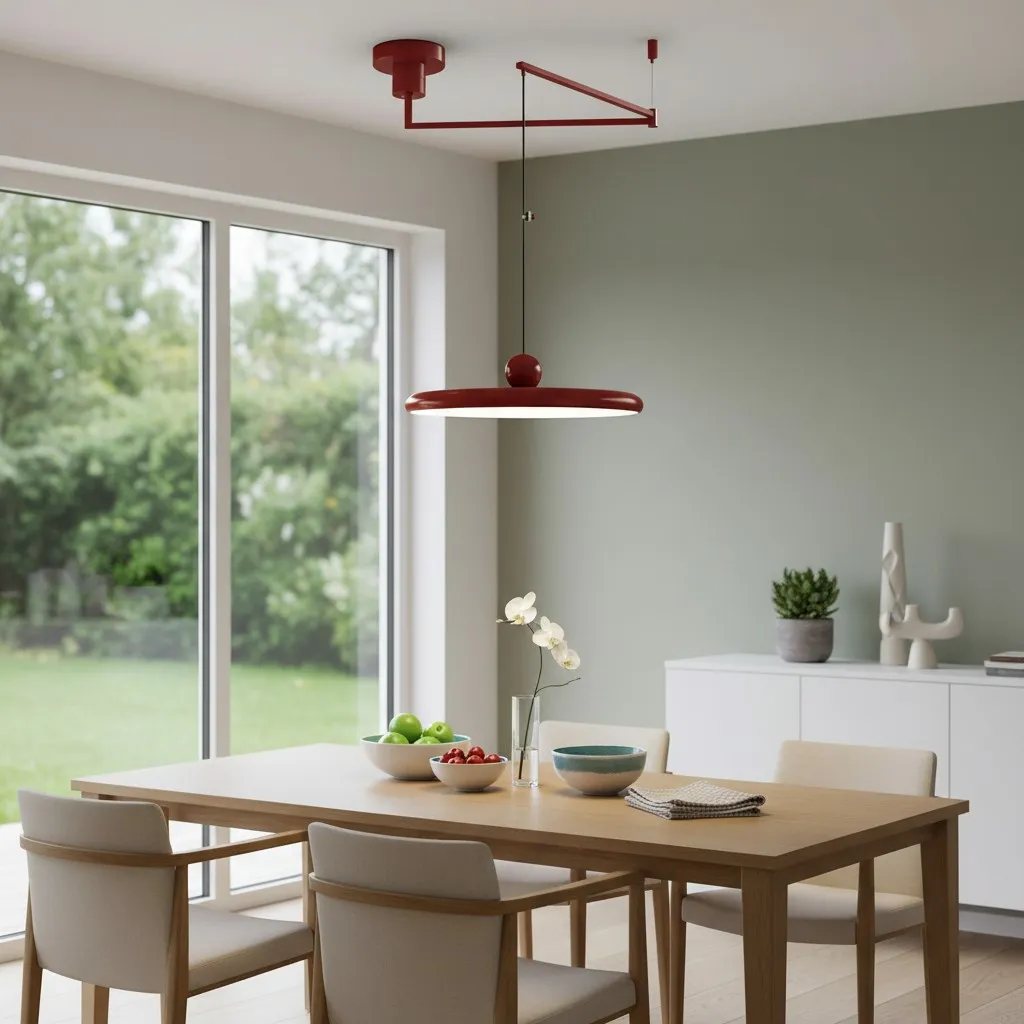
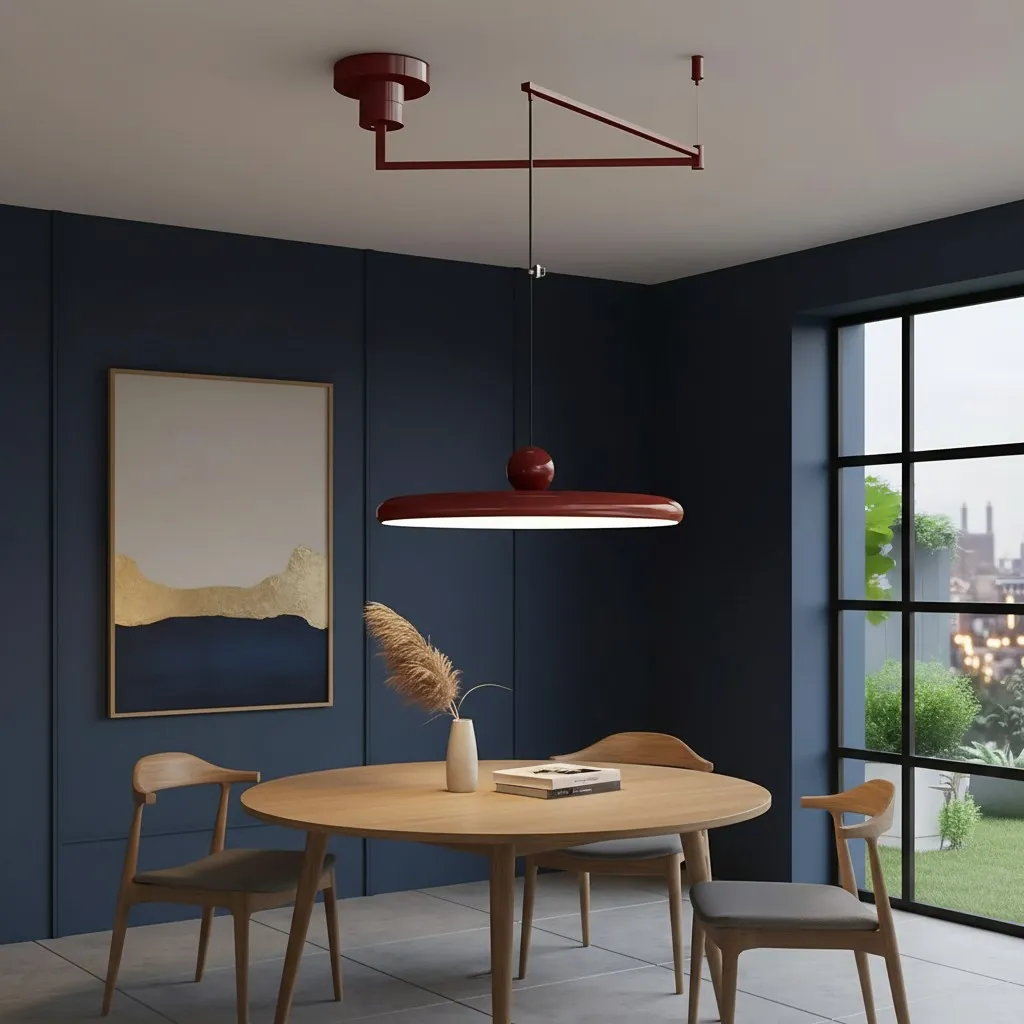
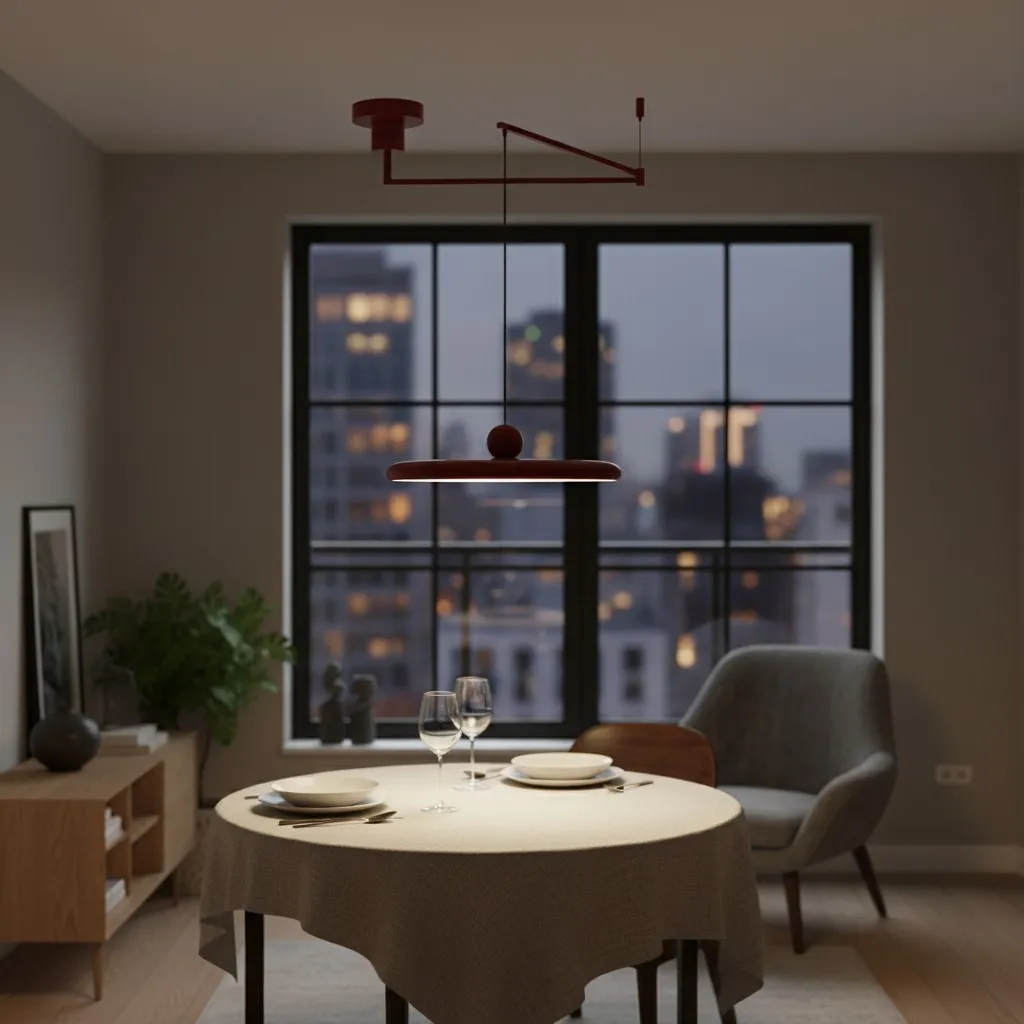
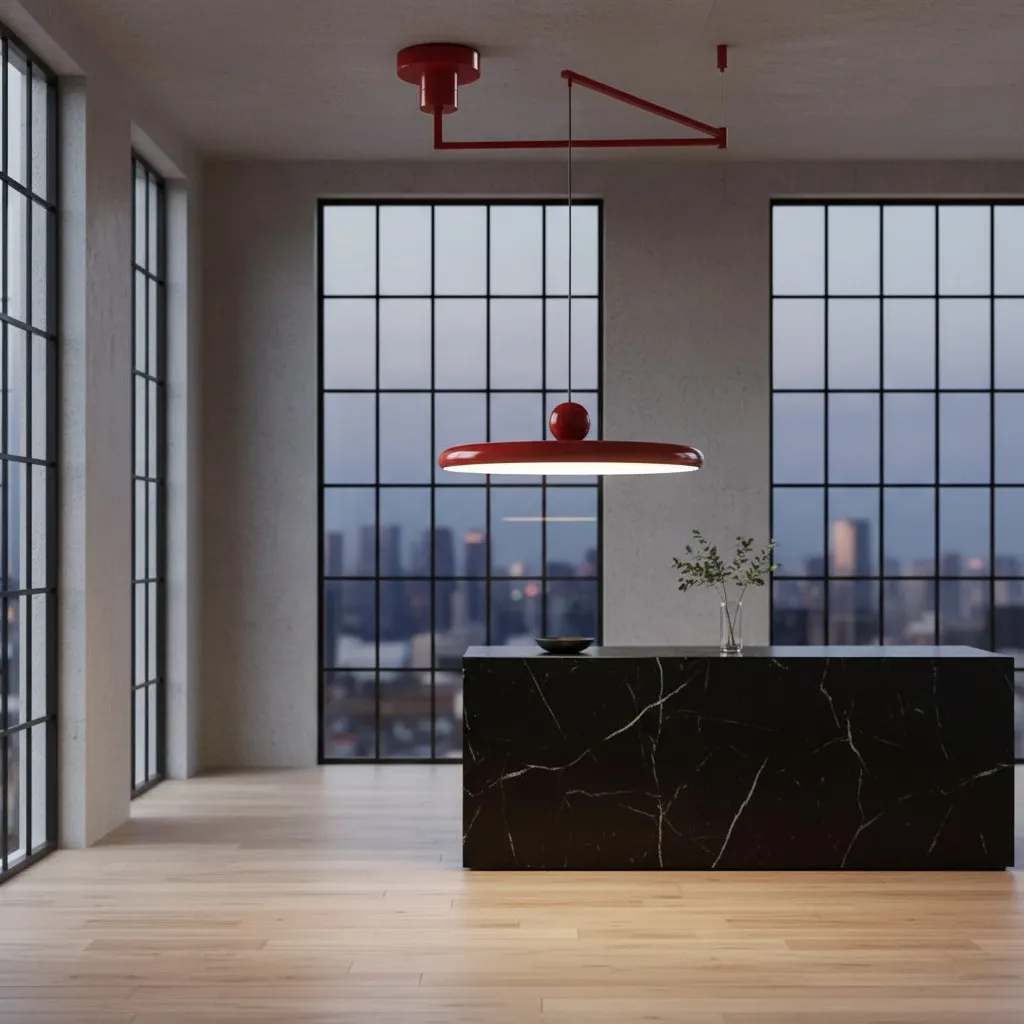
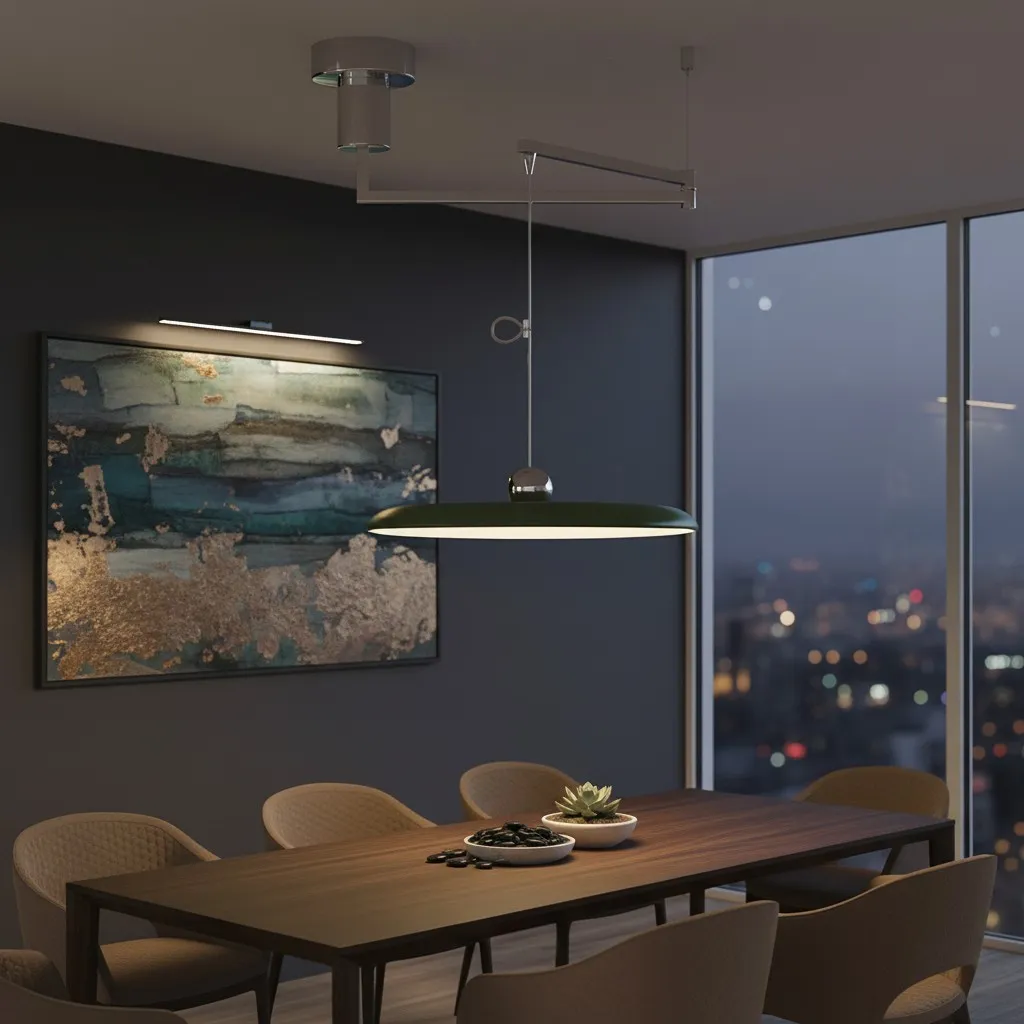
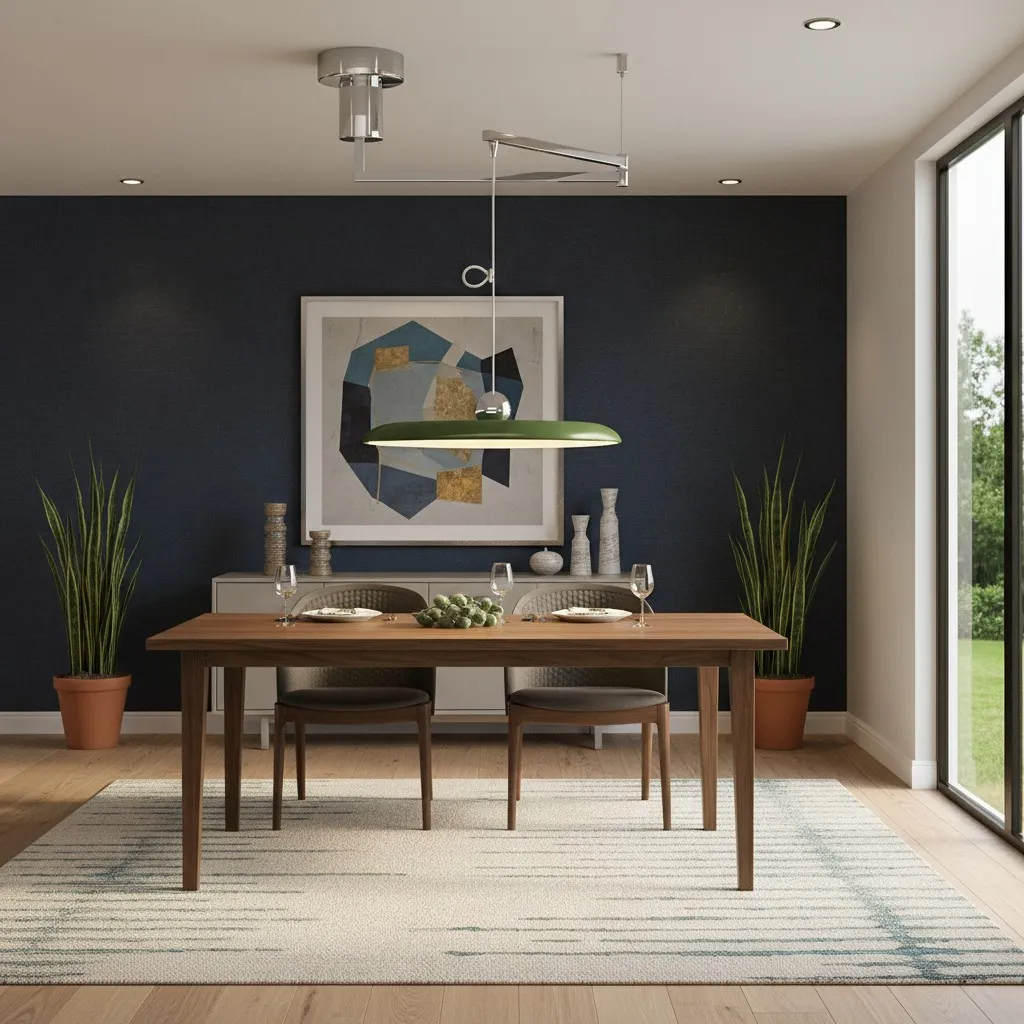
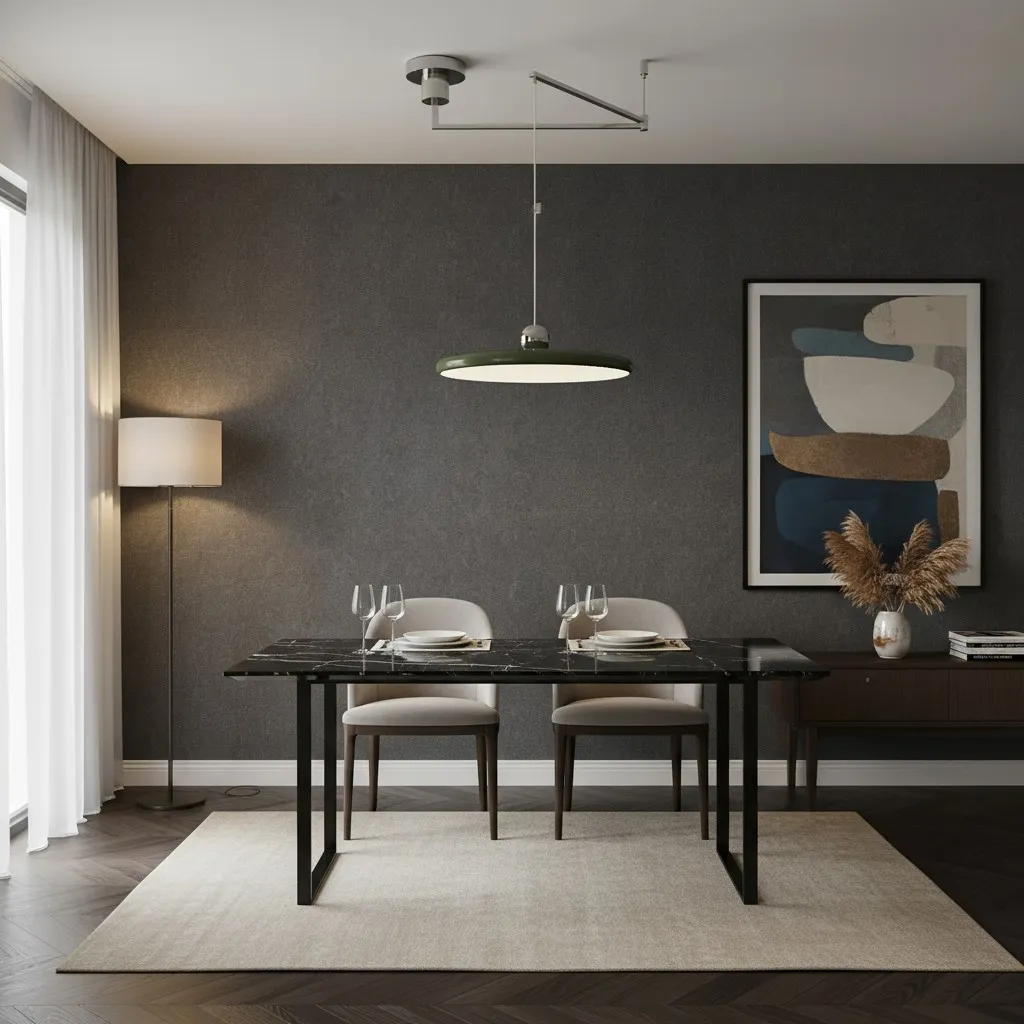
Open-plan zones need a visual signal. An adjustable swing arm pendant can place focus over the table or island without building another wall.
Map the Zone by Behavior
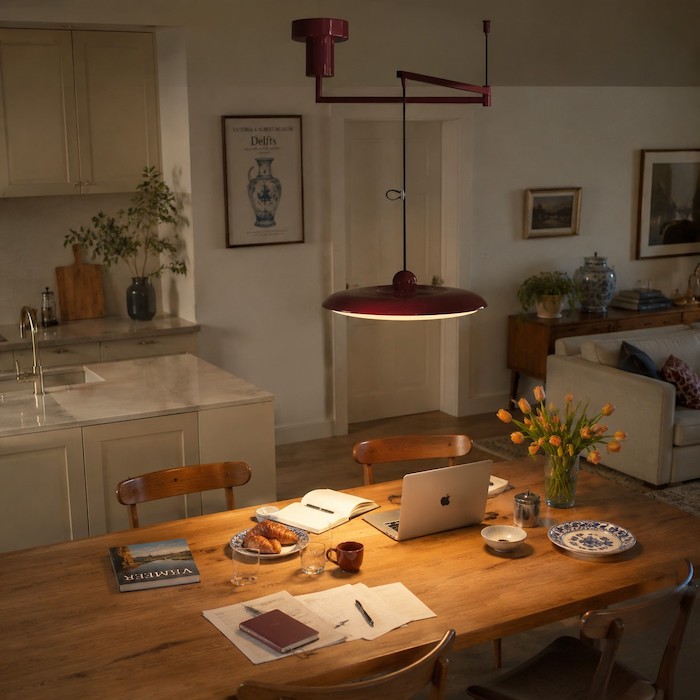
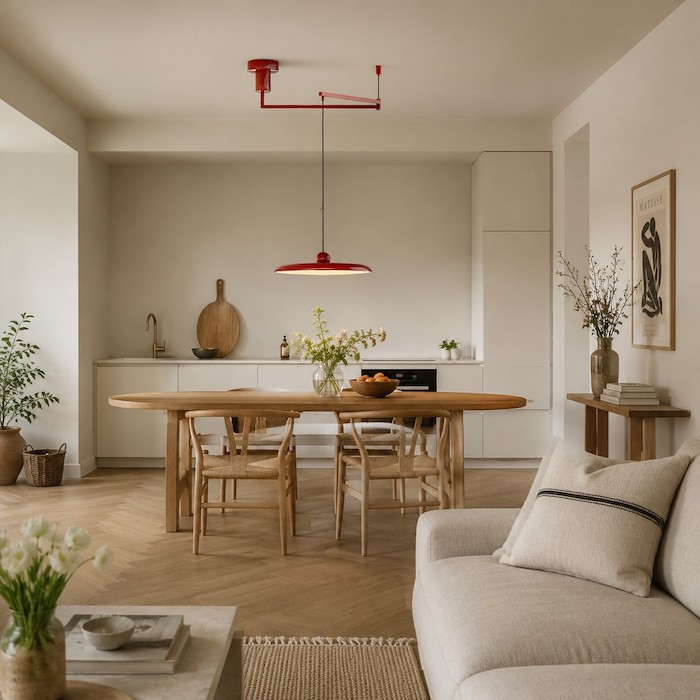
When one surface needs to become the visual centre of an open room, movable focus lets the light follow the table, island, or work zone instead of only the ceiling point.
Start with what people actually do: eat, prepare food, open a laptop, serve drinks, talk, or read. Then decide which surface needs the clearest light at each moment.
This prevents a common open-plan mistake: lighting the whole room evenly and then wondering why no area feels special. A focused pendant gives one surface a job.
If the room needs several targets rather than one anchor, Flexible Pendant Lighting vs Track Lighting: Which Fits Everyday Homes Better? helps compare the two flexible systems.
Four Zones Adjustable Lighting Can Define
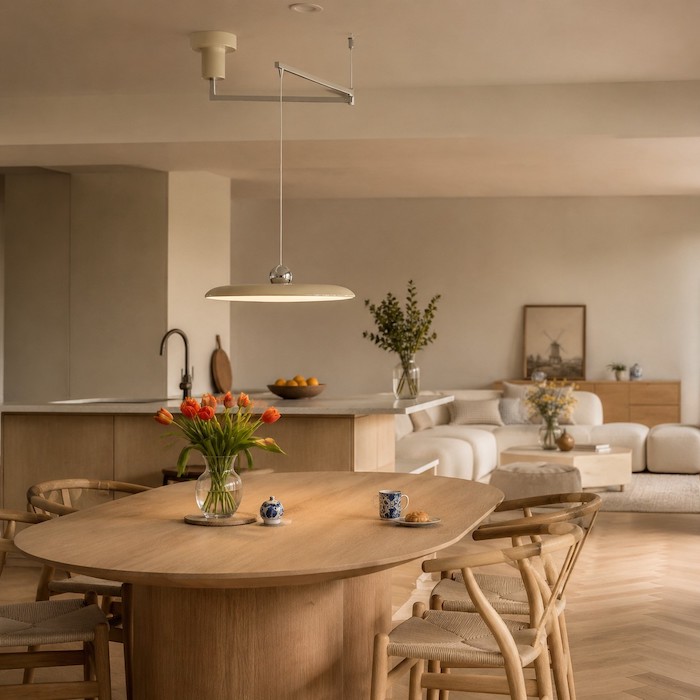
Table zone: makes meals, homework, and conversation feel anchored. Prep zone: brings practical light closer to an island or counter. Social zone: pulls people toward a gathering surface. Transition zone: helps one part of an open room connect to another.
A fixed pendant can struggle when these zones shift. An adjustable pendant works best when the room changes during the day but still needs one clean visual center.
When the main activity surface moves, use the flexible pendant light to reinforce the zone while keeping circulation areas quieter.
How This Differs from the Related Articles
When simplification matters more than zoning, Can One Swing Arm Pendant Replace Multiple Ceiling Lights? tests whether one movable fixture can replace a cluster.
When Zoning with One Pendant Is Not Enough
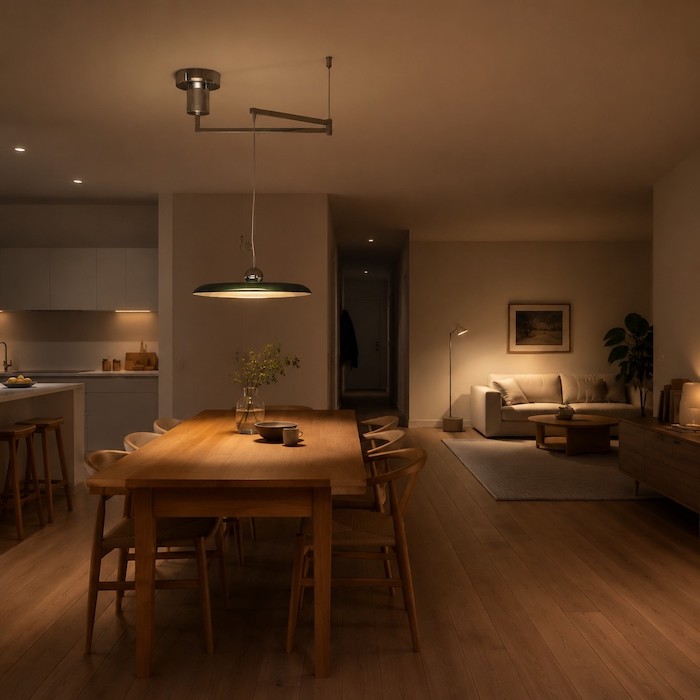
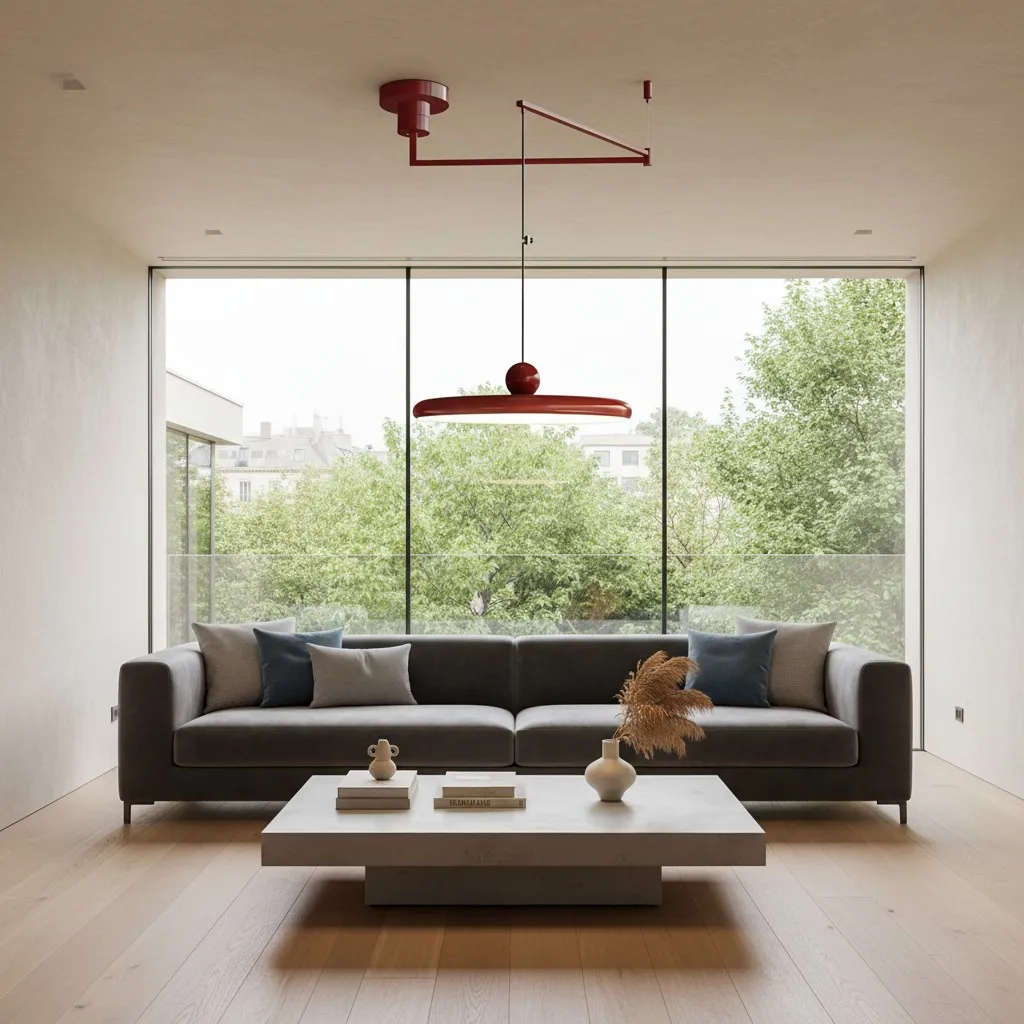
If the room needs one calm anchor before extra lamps are added, a movable pendant can define the main activity zone while leaving surrounding areas quieter.
If the room needs light for several separate tasks at the same time, add layers. A swing arm pendant can define the main zone, but it should not be expected to light every corner, walkway, shelf, and reading chair.
The cleanest result usually comes from one strong adjustable focal point plus quieter background light elsewhere.
If the room needs one flexible anchor, view the Swinglo pendant after checking reach, ceiling point, and the other layers of light.
People Also Ask
How do you use lighting to create zones in an open-plan room?
Give each activity surface its own light focus, then keep circulation and background areas softer so the boundaries are visible without walls.
Is an adjustable pendant useful for an off-centre table?
Yes, if its reach can bring the shade over the real table centre without straining the cable or interfering with doors and walking paths.
Can lighting replace a room divider?
Lighting can define activities visually, but it cannot provide acoustic separation, storage, or privacy like a physical divider.
Does one zoned pendant light the whole open-plan room?
Usually not. It can anchor the main surface, while the sofa, kitchen worktop, and circulation routes may still need separate support light.
What should I measure before ordering an adjustable pendant?
Measure the ceiling point, horizontal reach, table position, shade diameter, hanging height, walking clearance, and the range of furniture positions you actually use.